

Baby GAPS covers more than what your baby eats. In the section “Food Is Not Everything,” Dr. Natasha Campbell-McBride brings together loving attention, daily fresh air and good sleep with skin care, household products, bedding and the baby’s everyday surroundings.[1][2]
You can begin with the things your baby comes into contact with every day: washing water, clothes and sheets, skin-care products, dishes and the air at home. My Baby GAPS first-foods guide explains the feeding progression. Here, we’ll work through the care and home questions alongside it.
How Home Care Fits Into GAPS
In Gut and Physiology Syndrome, Dr. Natasha explains why the home is part of GAPS. She describes nourishing the body’s detoxification system while reducing the extra burden from avoidable exposures. Her practical examples include drinking and cooking water, dishwashing, laundry products and ventilation.[6]
The expanded Baby GAPS section applies that concern to everyday baby care: what you wash with, what touches the skin, how you clean the home and what you bring into the baby’s room. The table below links to the more detailed guides, so you can work on one question at a time.[1][2]
The same newborn passage also argues against examinations and unnecessary doctor visits and introduces the author’s vaccination position. I explain that part separately below, alongside the distinction between reading the GAPS books and making your baby’s medical-care decisions.[1]
Four Parts of Newborn Care
| Part | What This Overview Covers | Detailed Guide |
|---|---|---|
| Vaccination guidance | The books’ position on timing, development and health at vaccination, explained in its own guide.[1][6] | What the GAPS Books Say About Vaccination Timing |
| Skin and bath care | The book says baby-care products are not required, clean warm water is enough for routine washing, and it names a short list for the diaper area or dry skin.[2] | Skin Care for Babies on GAPS |
| Home and nursery | The source addresses cleaning, baby dishes, renovation, new furniture, the first-year window, and exposures outside the home.[2] | Building a Low-Tox Nursery |
| Bedding and mattress | The book calls for natural materials and a waterproof mattress cover, then gives a specific used-mattress and off-gassing account.[2] | Natural Baby Bedding and the GAPS Mattress Concern |
What the GAPS Books Say About Vaccination
The expanded Baby GAPS passage recommends delaying vaccination until ages 3–5, describes developmental and health conditions, and favors single vaccines over combinations. Those are Dr. Natasha’s recommendations in that book.[1]
Her 2020 book also discusses being well and well nourished at vaccination, single vaccines, spacing and breastfeeding. For a fuller explanation of her writing, read what the GAPS books say about vaccination timing.[6]
These passages describe Campbell-McBride’s approach. Do not use them to skip newborn examinations or postpone necessary medical care. Bring vaccination questions to your baby’s clinician rather than delaying recommended doses on your own; delaying vaccines leaves children at risk of preventable infections.[4]
Skin Care Begins With Less
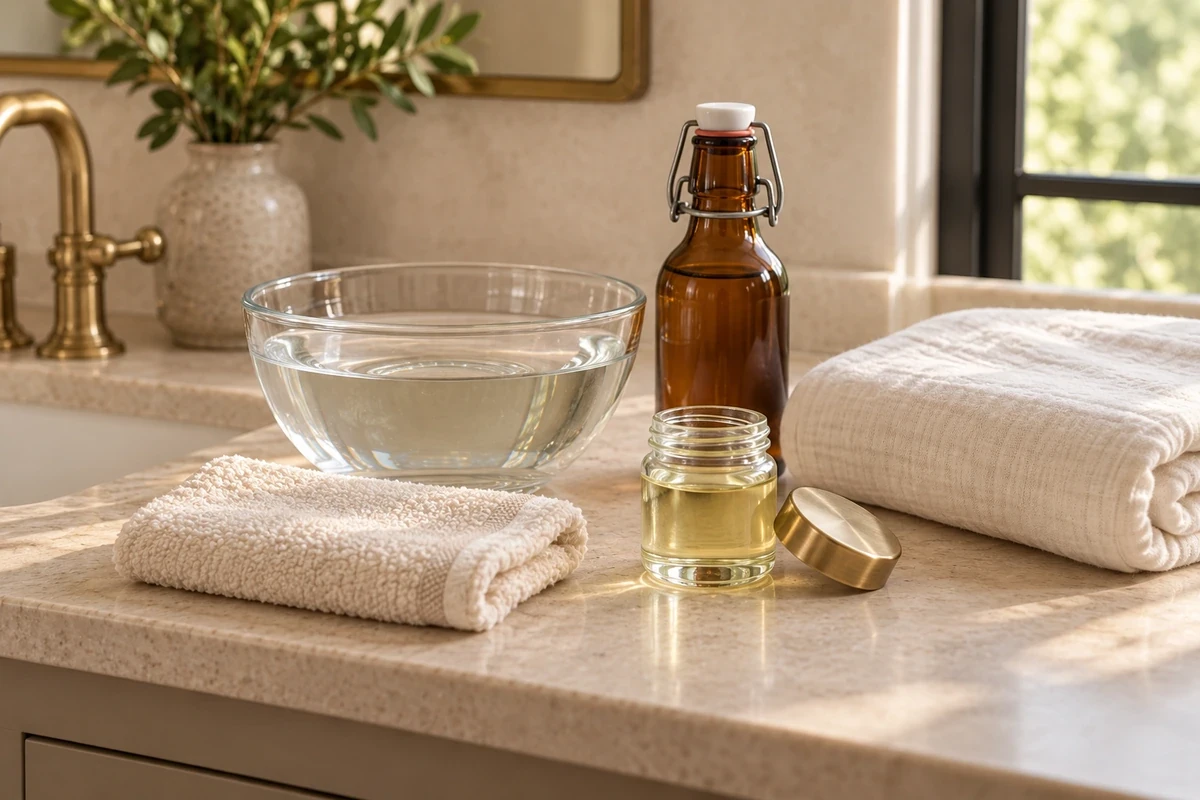
For routine washing, the Baby GAPS passage says clean warm water is enough, without soap or shampoo. Dr. Natasha explains that soap removes the skin’s protective oils. Her 2020 book repeats the water-and-sponge approach, particularly for babies and children.[2][6]
For the diaper area or dry skin, the expanded book names coconut oil, olive oil and homemade yogurt or kefir. The baby skin-care guide explains that short list and how it differs from choosing a shelf full of baby-care products.[2]
Cleaning and Renovation Timing
For everyday cleaning, the Baby GAPS passage names water and vinegar and natural biodegradable detergents. It also says to wash the baby’s dishes by hand and rinse away dish soap carefully. The 2020 book adds practical household examples, including washing dishes by hand, avoiding laundry fragrances and airing the home regularly.[2][6]
There are two different timeframes to keep in mind. The expanded Baby GAPS passage says to avoid renovation, new furniture and a new kitchen during the baby’s first year. In the 2020 Detoxification chapter, Dr. Natasha also recommends at least a year without redecorating or refurnishing while the person following GAPS is detoxifying and healing.[2][6]
If you are following GAPS yourself, your recovery timeframe matters alongside your baby’s age. A first birthday is not an automatic signal to start a major project. My low-tox nursery guide explains the pregnancy and first-year precautions in more detail.
The same baby-care passage looks beyond the nursery. It names chlorinated pools, shopping malls and hospitals as places to avoid because of chemical exposure, and asks that nobody smoke near the baby or use a heavy amount of perfume nearby. Reducing avoidable exposure is not a reason to miss necessary medical care.[2]
Choosing Bedding and a Mattress
For the bed and stroller, Dr. Natasha recommends natural materials and a waterproof mattress cover. She describes a concern about urine, microbes and chemical additives in some mattresses, especially a mattress previously used by an older child.[2]
The passage does not choose a specific mattress or cover material for you. The baby bedding and mattress guide explains the book’s account and helps you identify the materials, fit and care information for the mattress and cover you have.[2]
The mattress explanation is a hypothesis, not an established cause of SIDS. Its exact cause remains unknown. For sleep, use a firm, flat, level infant mattress with a fitted sheet and no loose bedding.[5]
The Changes I Made at Home
The changes I made at home included changing our laundry detergent, dropping fabric softener and rewashing clothes and sheets. I also made laundry and dishwasher detergents, lotions and balms, and used a Berkey water filter. These were changes to products we used in ordinary daily life.[3]
My fourth child’s eczema was especially difficult during our first six weeks of Intro, in Stages 1–3. I stopped the children’s baths during that time and found that her skin did better without them. After week six, I brought baths back, including Aalgo seaweed baths alternated with the baths described in the GAPS books. The children liked the seaweed baths because they smelled like the ocean.[3]
For a newborn, the routine washing advice discussed here is clean warm water. Our six-week bath break belongs to our family’s Intro and eczema experience; it does not give a separate newborn bathing schedule.[2][3]
Choose Your First Home Changes
For room-by-room help, see my course The Low-Tox GAPS Home in the WFLI Shop. You can also use the nursery, skin-care and bedding guides linked above to choose your next home change.
Frequently Asked Questions
What Does the Book Say a Baby Needs Besides Food?
Dr. Natasha names loving attention, daily fresh air and good sleep, then discusses baby washing, the home, bedding and vaccination. You can use the linked guides to work through those questions one at a time.[1][2]
Where Can I Read More About GAPS Vaccination Guidance?
Read What the GAPS Books Say About Vaccination Timing for the fuller book discussion. Both books discuss vaccination; the guide brings their passages together.[1][6]
Does the Source Require Baby Soap or Shampoo?
Dr. Natasha recommends clean warm water for routine washing. The expanded book also names coconut oil, olive oil and homemade yogurt or kefir for the diaper area or dry skin.[2]
How Do I Choose Bedding From the Book’s Guidance?
Start by identifying the materials in the bed or stroller and the mattress cover you already have. The book recommends natural materials and a waterproof cover without naming one required brand, filling or cover fabric. The bedding guide gives you a place to work through those details.[2]
Where Do I Start if the Whole Home Feels Like Too Much?
Start with the products your baby comes into contact with every day: washing water, diaper-area care, laundry, dishes, bedding and the air in the sleeping space. Choose one manageable change and follow the linked guide for that part of your home. You can come back to the next area when you’re ready.
References
- Campbell-McBride, Natasha. Gut and Psychology Syndrome, expanded edition (2013), “New Baby: Food Is Not Everything”; corresponding passage in GAPS – Gut and Psychology Syndrome, second German edition (2015).
- Campbell-McBride, Natasha. GAPS – Gut and Psychology Syndrome, second German edition (2015), “New Baby”: skin care, household exposures, bedding and mattress passages.
- Garnica, Ebonie. Personal family account: Introduction Diet baths, eczema and home changes, July 2024 to October 2026.
- Centers for Disease Control and Prevention. About Vaccines for Your Children.
- NICHD. Sudden Infant Death Syndrome and Safe Sleep Environment.
- Campbell-McBride, Natasha. Gut and Physiology Syndrome (2020), “Detoxification,” “Reduce your general toxic load”: drinking and cooking water, household cleaning, laundry, ventilation, redecorating and refurnishing, personal care, and the subsequent vaccination discussion.
The personal beliefs, opinions, philosophies, and/or views shared in this article are solely based upon my own GAPS experience and may not align with nor reflect the views of GAPS or Dr. Natasha Campbell-McBride, or the content in Dr. Natasha’s GAPS books, podcasts, blog posts, social media posts, or training courses.

Leave a comment