

Cashew yogurt gives you a dairy-free cultured option for Full GAPS with three measured ingredients: fresh raw cashews, filtered water, and an additive-free starter. The cashews soak directly in the water used for the yogurt, blend until completely smooth, and culture for a full 24 hours. There is no straining and no added thickener.
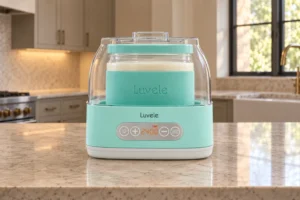
This version includes the two yogurt routes I actually use in a busy family kitchen. The Luvele Pure Plus is my go-to because its covered glass vessel, water bath, and timer keep the setup contained. I also use my Ninja Foodi FD401 when I need its Yogurt function, but Luvele is the one I reach for first.
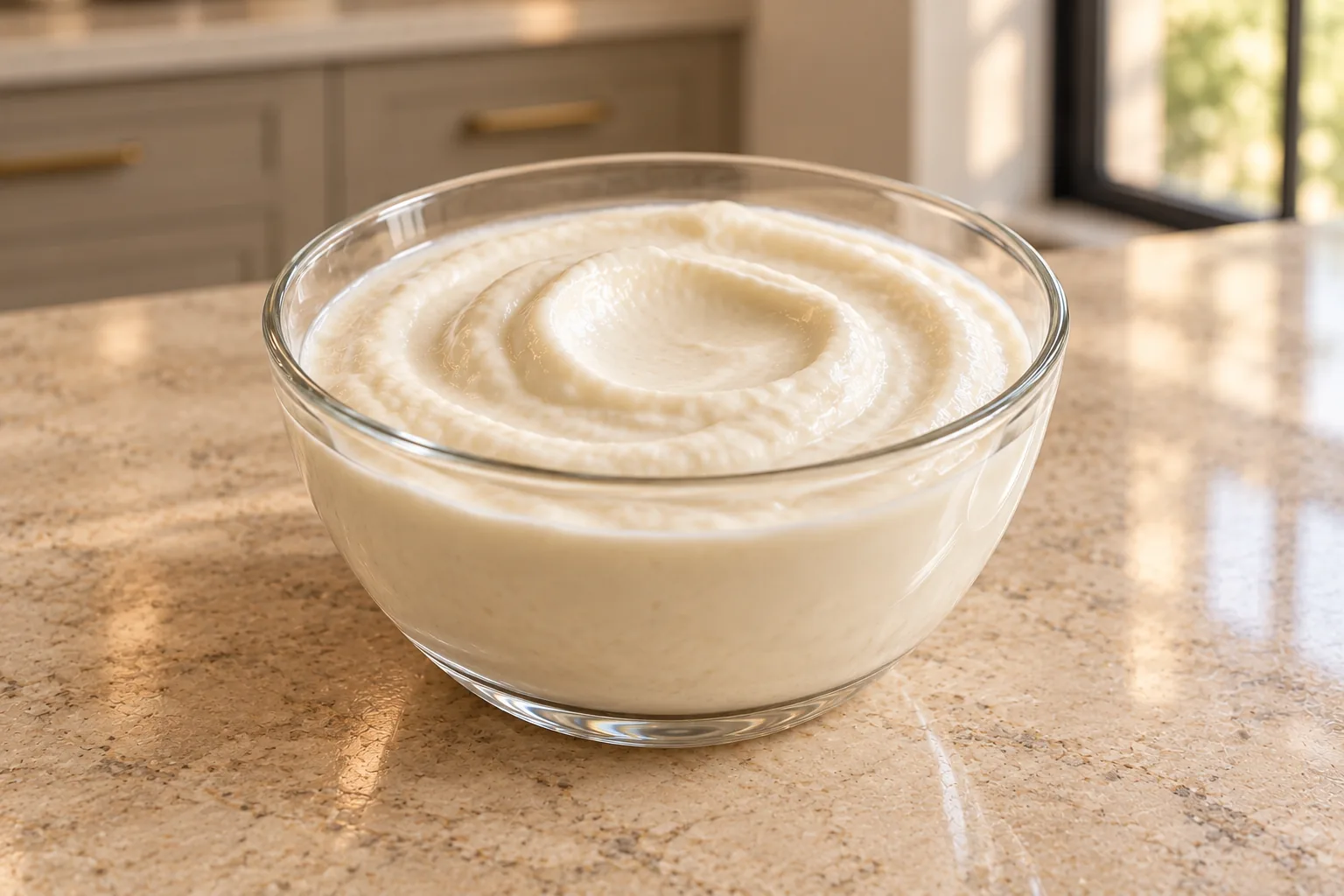
Why Cashews Work Well For Dairy-Free Yogurt
Fresh raw cashews soften quickly. After a two-hour soak, they blend with the measured water into a smooth, creamy base without leaving the coarse pulp you would expect from almonds or many seeds. That is why this formula stays whole rather than going through a nut-milk bag.
The recipe is also easy to repeat. Save three tablespoons from a finished batch and use it to start the next one. That keeps you from opening a new starter packet every time, which matters when yogurt is part of your regular kitchen rhythm.
With six children, work, and homeschool in the same week, I pay attention to how many containers and loose steps a recipe creates. This one is mostly waiting. You soak, blend, culture, and refrigerate. The yogurt maker is especially useful because the glass container goes from fermentation to the refrigerator once it has cooled enough to move safely.
If you want a pourable cultured drink instead, use the separate unstrained fermented cashew milk. That formula uses four cups of blending water and homemade cultured whey. This yogurt uses less water and a measured dairy-free starter so it stays spoonable.
Use Fresh Raw Cashews
Start with three cups fresh raw cashews or raw cashew pieces. They should be plain and unroasted, without salt, oil, seasoning, or a coating. Cashew pieces work just as well here because the blender will puree the whole batch.
Freshness matters. Open the package and smell the cashews before you measure them. They should smell mild and nutty. A stale, paint-like, or bitter aroma means the cashews are already past their best, and fermenting them will not repair that.
Measure the water for the texture you want. Two and one-half cups is the primary amount in this card. Two cups makes a much thicker yogurt that can stand in for ricotta in some Full GAPS dishes. Three cups makes a thinner yogurt. Keep the cashews at three cups and change only the water within that tested range.
Choose A Simple Additive-Free Starter
The first batch uses one-sixteenth teaspoon additive-free probiotic powder or the measured amount of a dairy-free yogurt starter. Read the ingredient list. The starter belongs in the formula, while sweeteners, flavorings, gums, and starches do not.
The starter also controls the incubation temperature in the Luvele route. Follow the temperature listed for the culture you chose because starter products can differ.
After the first batch, you may replace the powder with three tablespoons of your finished cashew yogurt. Set that amount aside with a clean spoon before serving the rest. Keeping the starter portion clean makes the next batch easier to manage.
Soak The Cashews In The Measured Water
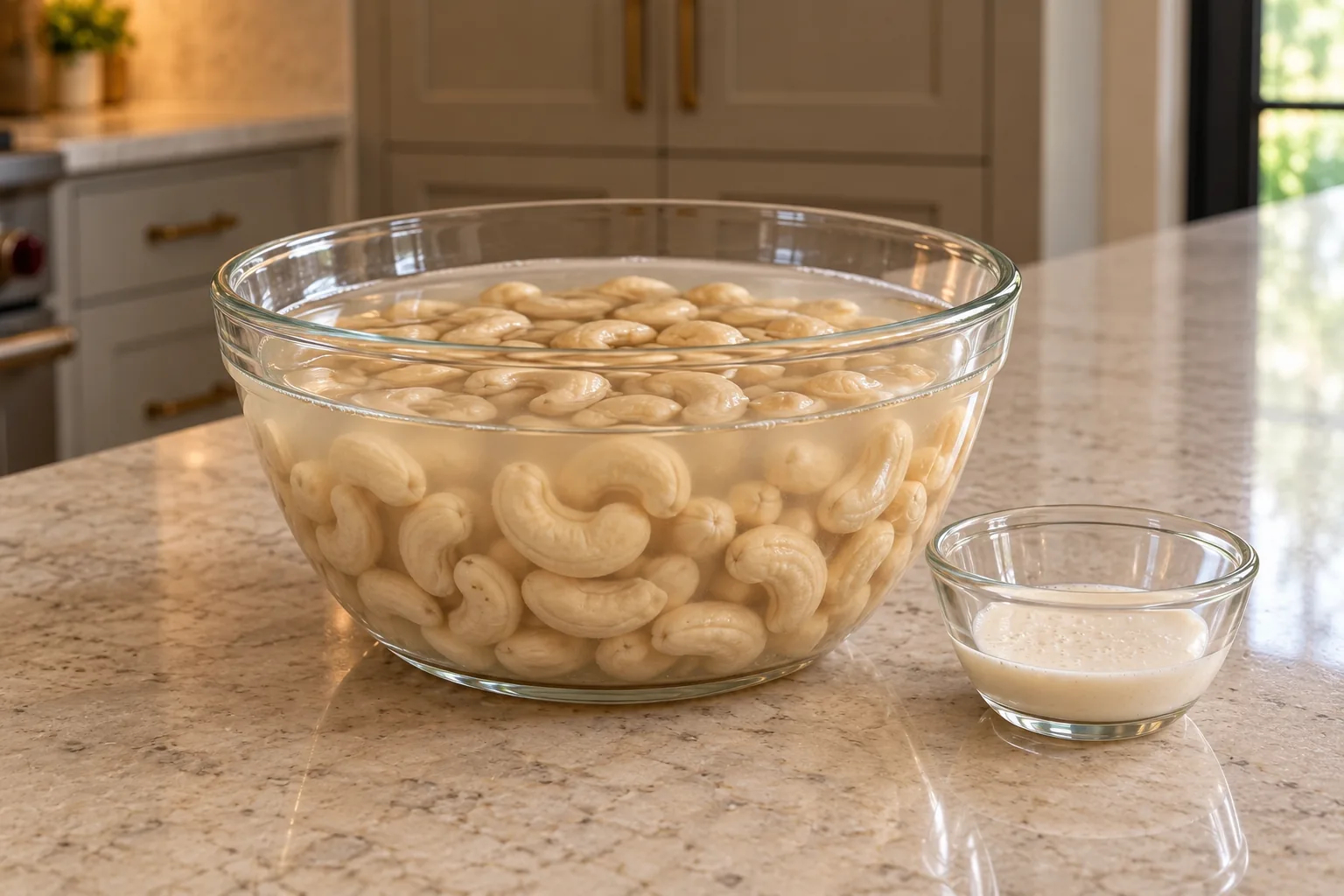
Place the cashews and your chosen two-to-three-cup water measure in the vessel you will use for soaking. Let them stand for two hours. Unlike a soaking method where the liquid is drained and discarded, all of this measured water stays in the yogurt.
After two hours, the cashews should look slightly plumper and feel softer when pressed. The water may be a little cloudy. Transfer both the cashews and every bit of their soaking water to the Ninja BN801 blender so the ratio stays accurate.
Do not add raw honey or fruit before culturing. If you want a sweet bowl, add raw honey or fresh fruit after the yogurt has finished fermenting.
Blend Until Completely Smooth
Use the large pitcher on my Ninja BN801 and blend the soaked cashews and water on medium-high for about 50 seconds. Stop the blender before you inspect it. Scrape the sides once if needed, then blend again only until the mixture is smooth.
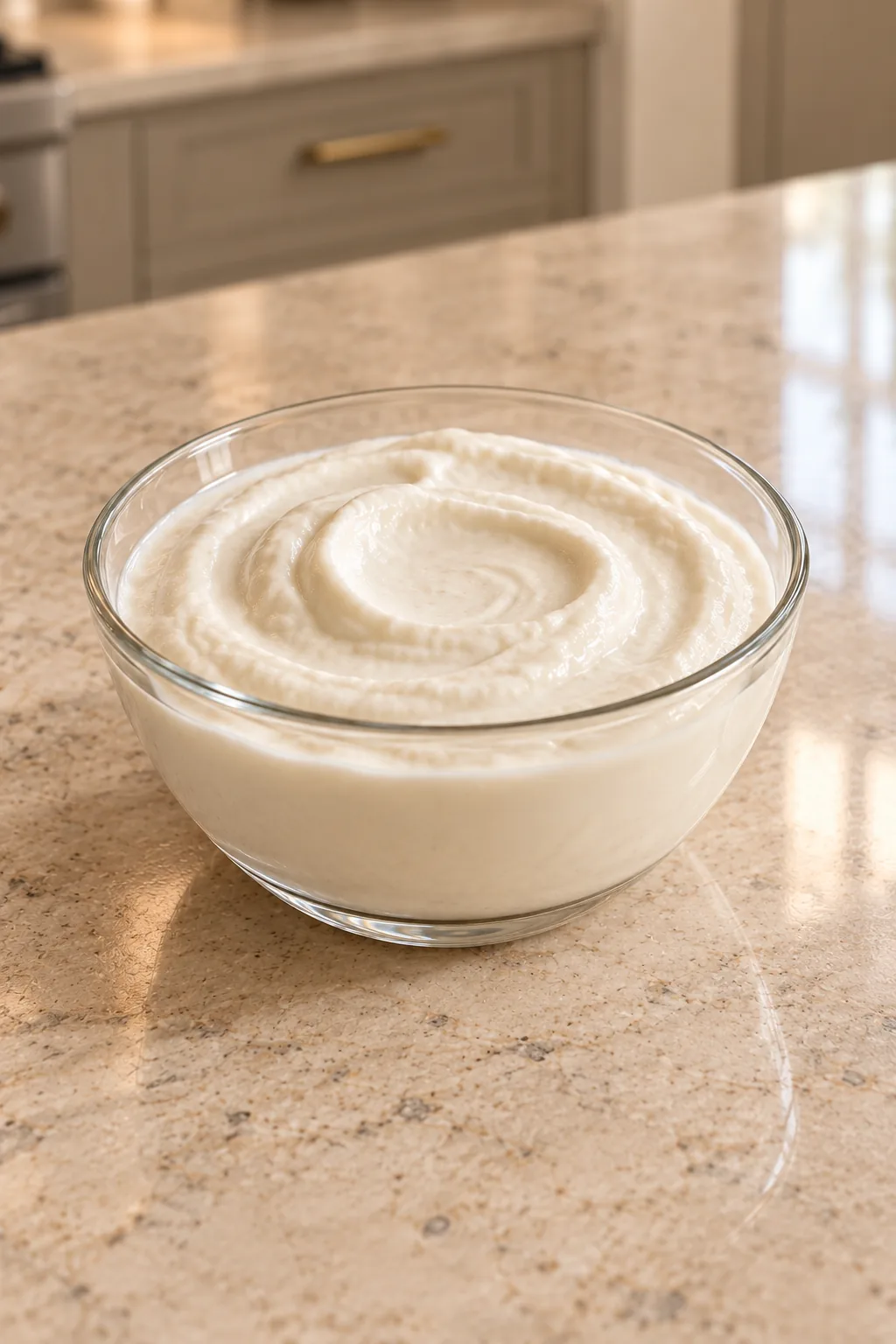
The useful cue is a uniform pale cream puree with a modest, uneven foam ring and a thin creamy film on the blender jar. You should not see whole cashew pieces or a clear layer of water at the bottom. The mixture still needs to move freely in the jar.
Add the starter and blend for just five to ten seconds. That brief second blend distributes the culture without keeping the machine running long enough to warm the mixture.
Ferment For A Full 24 Hours
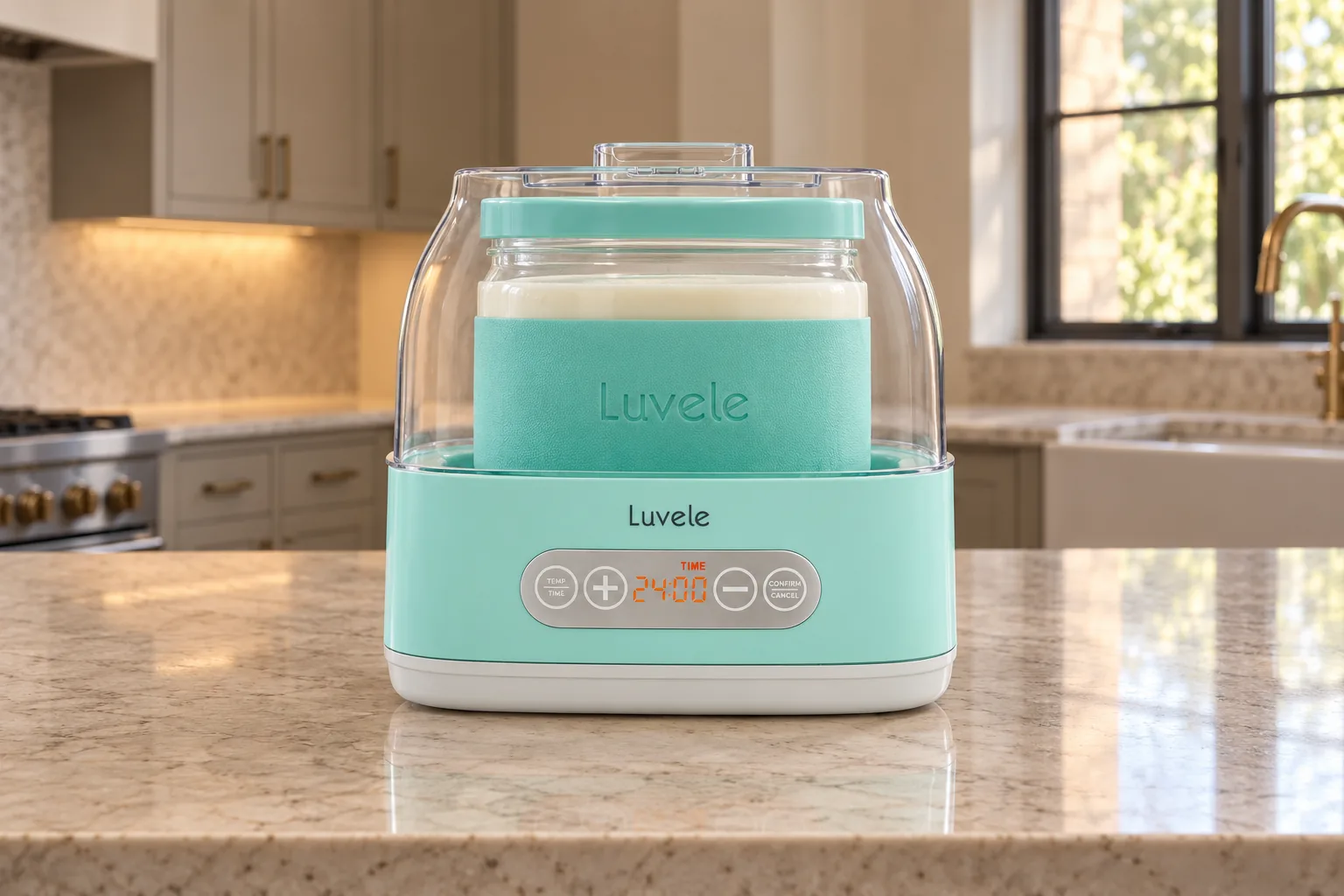
For the Luvele route, transfer the mixture to the covered two-liter glass container and set it into the water bath. Select the temperature supported by your starter and set the timer for 24 hours. The exact Luvele in the method photograph is covered, fully supported, and has headspace above the cashew mixture.
For my Ninja Foodi FD401 route, select its Yogurt function and follow the vessel and control setup in that model’s guide. Set it for the same 24-hour culturing interval. Do not use pressure. I keep this as the alternate; the Luvele remains my everyday setup.
The original cashew-yogurt method cultures for 16 to 20 hours. This version uses a full 24 hours to follow GAPS cooking guidance for fermented nuts. That timing applies to this cashew formula; it is separate from the 24-hour dairy-yogurt rule used to ferment lactose.
When the cycle ends, you can serve the yogurt warm or chill it first. Exact thickness depends on the amount of water you selected. The yogurt should be smooth and creamy, although different starters and water amounts will not produce an identical set.
How To Choose The Right Thickness
Use two and one-half cups water for the balanced version in the recipe card. It gives you a spoonable yogurt for breakfast bowls, dips, and everyday recipes.
Use two cups water when you want a very thick result for crepes, cake filling, or a savory spread. Use three cups when you want a thinner yogurt that stirs easily into sauces or pours more readily over a meal.
Choose the water amount before soaking because the soak water remains part of the formula. Adding water after fermentation would change the finished texture without giving that water the same cultured time.
Serving Ideas
Serve cashew yogurt plain, or add raw honey and fresh fruit after fermentation. For a savory bowl, stir in fresh chives, garlic, green onion, herbs, or spices after the batch is complete.
The thick two-cup version can fill a grain-free crepe or replace a ricotta-like layer where the rest of the recipe fits your Full GAPS variation. The primary two-and-one-half-cup batch also works as a creamy condiment beside cooked vegetables or meat.
Keep additions out of the storage container when you want to reserve three tablespoons as the starter for your next batch. Spoon the clean starter portion into a separate covered glass container first, then season or sweeten what you plan to serve.
Where This Fits On GAPS
This cashew yogurt belongs on Full GAPS after fresh cashews and new fermented foods have been introduced. It is not an Introduction Diet recipe. If cashews or fermented foods are new for you, GAPS guidance starts with a small amount and builds gradually.
The recipe uses fresh raw cashews, filtered water, and an additive-free starter. It leaves out roasted or salted nuts, starch thickeners, gums, cane sugar, and maple syrup. Raw honey and fresh fruit are serving options added only after fermentation.
This is a dairy-free Full GAPS option with its own measured method, texture choices, and serving uses.
Storage And The Next Batch
Refrigerate leftover cashew yogurt in a clean covered container. Keep the plain starter portion separate from flavored servings. Use a clean spoon each time so crumbs, fruit, and other food do not enter the storage jar.
Before serving, look at and smell the yogurt as you would any homemade ferment. If you see unexpected surface growth or smell a putrid odor, discard the batch. A clean sour culture aroma is different from decay, but the recipe does not assign one exact smell to every starter.
For the next batch, use three tablespoons of the reserved yogurt in place of the probiotic powder. Blend it into the smooth cashew base for five to ten seconds, then follow the same equipment route and full 24-hour cycle.
Recommended Equipment
You need a covered soaking vessel, the Ninja Professional Plus Kitchen System BN801 for the blending step, measuring cups and spoons, a clean spoon for reserving starter, and covered glass storage.
For the Luvele route, I use the Luvele Pure Plus Yogurt Maker. Its two-liter covered glass container, water-bath heating, and long timer fit this 24-hour method. This is my referral link.
For the Ninja route, I use my Ninja Foodi FD401 and its Yogurt function. Follow the model guide for the vessel and controls. Do not use pressure for this yogurt method.
Frequently Asked Questions
Why Does This Version Ferment For 24 Hours?
The original cashew-yogurt method cultures for 16 to 20 hours. This version follows the full-day nut-fermentation interval used in GAPS cooking guidance. The timing is for this cashew formula and is separate from the dairy-yogurt rule used to ferment lactose.
Can I Make Cashew Yogurt In The Luvele?
Yes. Use its covered two-liter glass vessel and water bath. Set the temperature directed by your chosen starter and run the timer for the full 24 hours.
Can I Use My Ninja Foodi?
Yes. I use my Ninja Foodi FD401 as the alternate because it has a Yogurt function. Follow that model’s setup and use the same full 24-hour culturing interval. Before carrying the method to another Ninja model, confirm that it has a Yogurt function and follow its own guide.
Do I Need A New Starter Packet Every Time?
No. Reserve three tablespoons from the finished plain batch and use that to inoculate the next one.
Can I Make It Thicker?
Yes. Use two cups water with the same three cups cashews. The primary card amount is two and one-half cups, while three cups makes a thinner yogurt.
Can I Add Honey Before Fermenting?
No. Ferment the cashew, water, and starter mixture first. Add raw honey or fresh fruit when you serve it.
Can I Use Roasted Cashews?
No. Use fresh raw cashews or raw cashew pieces without oil, salt, seasoning, or coating.
GAPS Cashew Yogurt Recipe
GAPS Cashew Yogurt
Ingredients
Equipment
Method
- Combine the fresh raw cashews and all of the measured filtered water in the covered soaking vessel. Soak for 2 hours. Keep the soaking water because it remains part of the yogurt.
- Transfer the cashews and every bit of their soaking water to the Ninja BN801 72-ounce pitcher. Blend on medium-high for about 50 seconds, scraping the sides once if needed, until uniformly smooth, pale cream, and free of visible cashew pieces or a clear water layer.
- Add the additive-free starter and blend for 5 to 10 seconds, just long enough to distribute it.
- For Luvele, transfer to its covered 2-liter glass vessel, place it in the water bath, set the starter-supported incubation temperature, and run 24 hours. For the owned Ninja Foodi FD401 alternate, follow that model’s Yogurt-function setup and run the same 24-hour culturing interval. Do not pressure-cook either setup.
- When the full 24-hour cycle ends, serve warm or chill first. Refrigerate leftovers covered.
- If desired, reserve 3 tablespoons of the plain finished yogurt with a clean spoon to start the next batch in place of probiotic powder.
Notes
Tried this recipe?
Let us know how it was!Build A Reliable Fermentation Rhythm
The upcoming Drinks & Ferments Cookbook will collect cultured drinks, dairy-free ferments, family-size batches, and the physical cues that make repeat batches easier. Watch the WFLI shop as it is completed.

Leave a comment