

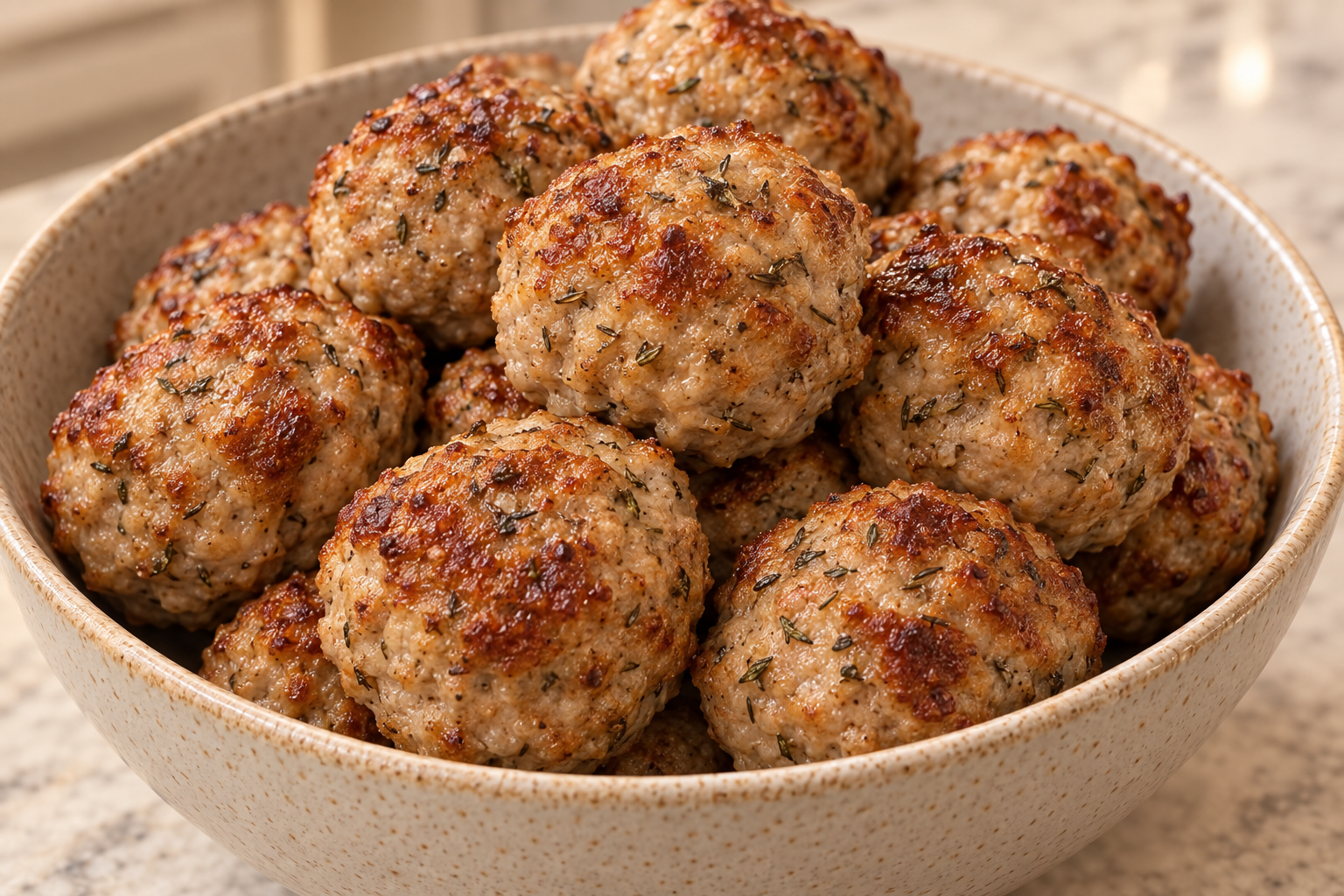
Baked herb meatballs are the dry-heat companion to the poached version: the same simple two-pound meat mixture, shaped and spaced on an uncoated stainless-steel baking sheet, then cooked at 375°F until the centers are done. The oven gives them browned edges and a firmer surface while the turkey thigh keeps the middle moist.
A two-pound batch works well in our house because I can serve part for dinner and hold the rest for another meal. The source does not provide an exact meatball count, and size changes that count, so this recipe keeps the honest yield as one two-pound batch instead of inventing a number.
This post covers the baked method only. The poached version uses meat stock, a saucepan, and a different texture and temperature path. Each method has its own article, four photographs, and WP Recipe Maker card so there is no nested second recipe to decipher.
Why Bake This Meatball Batch
Baking cooks every meatball on one sheet without turning them in a skillet. The exposed surfaces dry and brown, while the bottom develops deeper color where it touches the stainless steel. That makes the baked version useful when you want a meatball that can be picked up cleanly, packed for lunch, or served under a separate sauce.
The oven method is distinct from poaching. It does not include meat stock, and it should not borrow the poached recipe’s pale, soft-surface cues. A baked meatball should be lightly browned, springy, and fully cooked in the center without becoming dry.
That difference also changes how the meatballs fit into a meal. Baked meatballs are easier to lift, portion, and pack without broth, while the poached version gives you a soft meatball and seasoned stock together. Choosing the method before mixing keeps the cookware, timing, storage plan, and serving expectation aligned from the beginning.
Both methods begin with the same careful, light mixing.
Choose Fresh Ground Meat
The source formula begins with two pounds fresh ground meat. Turkey thigh, pork, or a source-listed combination of two meats can be used. This photographed batch uses ground turkey thigh, so the images, finished color, and 165°F center-temperature instruction all match that branch.
Turkey thigh contains more natural fat than very lean turkey breast and stays more forgiving in the oven. The meat should look moist and pink without gray dry edges or a sour odor. Keep it cold until you are ready to mix and shape.
If you choose ground pork or beef, keep the same two-pound quantity but use the finished-center temperature for that meat. Photographs of turkey are not a reliable way to judge the color of a beef or pork batch.
Choose One Herb Route
Use two teaspoons dried thyme, or choose the source option of dried sage, rosemary, oregano, and basil mixed together. Do not pile both routes into one bowl. The photographed version uses dried thyme, which is why small green-brown leaves are visible throughout the mixture and finished meatballs.
Add one and one-half teaspoons mineral salt. For the final warm note, use an optional one-quarter teaspoon dried ginger or freshly ground black pepper. Ginger is softer and slightly aromatic; pepper is sharper.
Two tablespoons qualifying additive-free coconut aminos are optional. Use a product whose complete label fits the current GAPS scope. Coconut aminos are not permission to substitute soy sauce or tamari, which stay out of this formula. If you omit the coconut aminos, leave them out rather than replacing them with another bottled seasoning.
Mix Lightly for a Tender Center
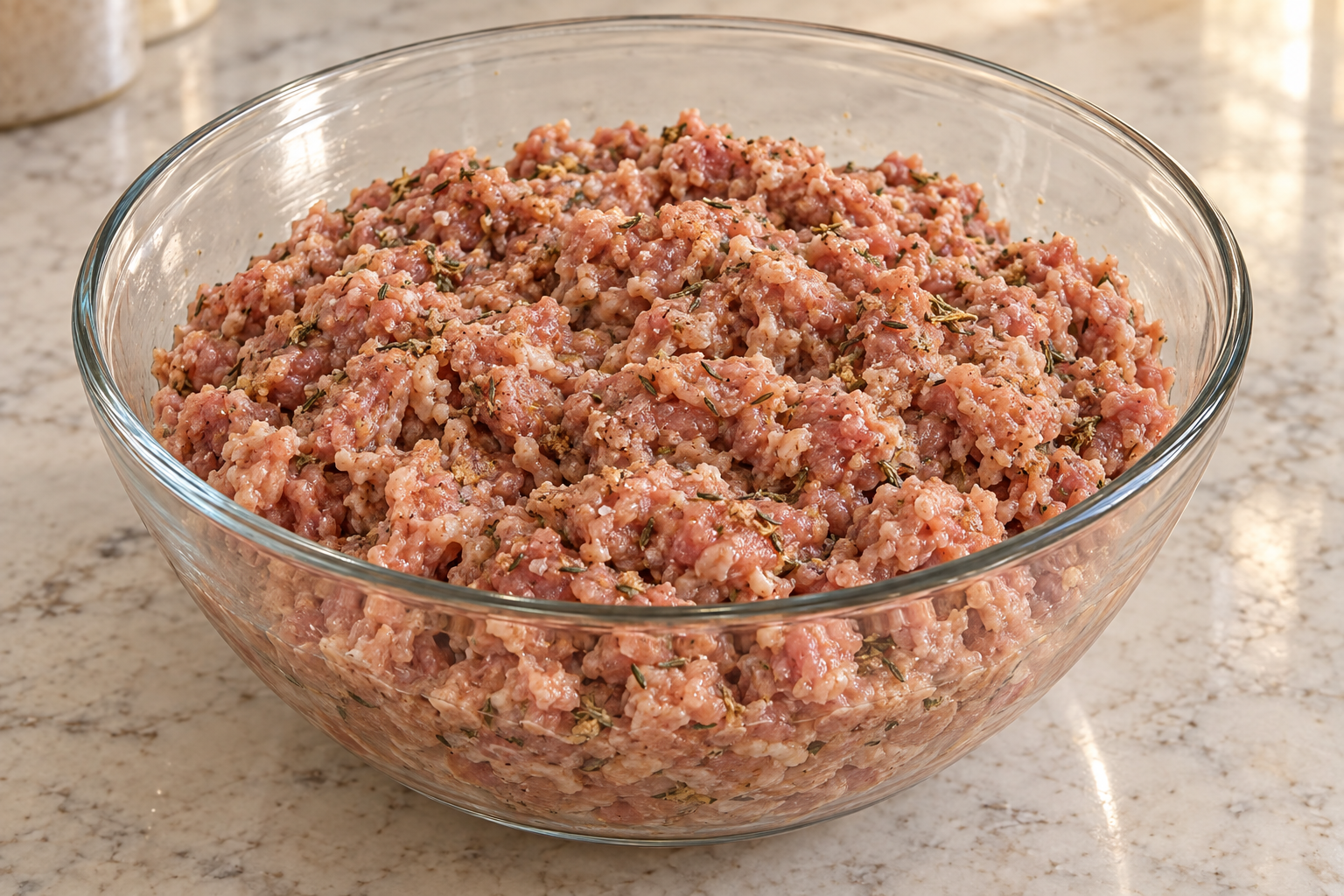
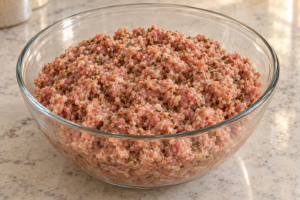
Put the cold ground turkey thigh in a large glass bowl. Drizzle the optional coconut aminos across the surface, then scatter the thyme, salt, and ginger or pepper evenly.
Mix just until the seasonings are distributed. The mixture should look uniform, with herb flecks from top to bottom and no wet or dry pocket. Stop while it remains loose and slightly tacky. Repeated kneading compacts the meat and can make the baked center rubbery.
Shape the Meatballs Without Inventing a Count
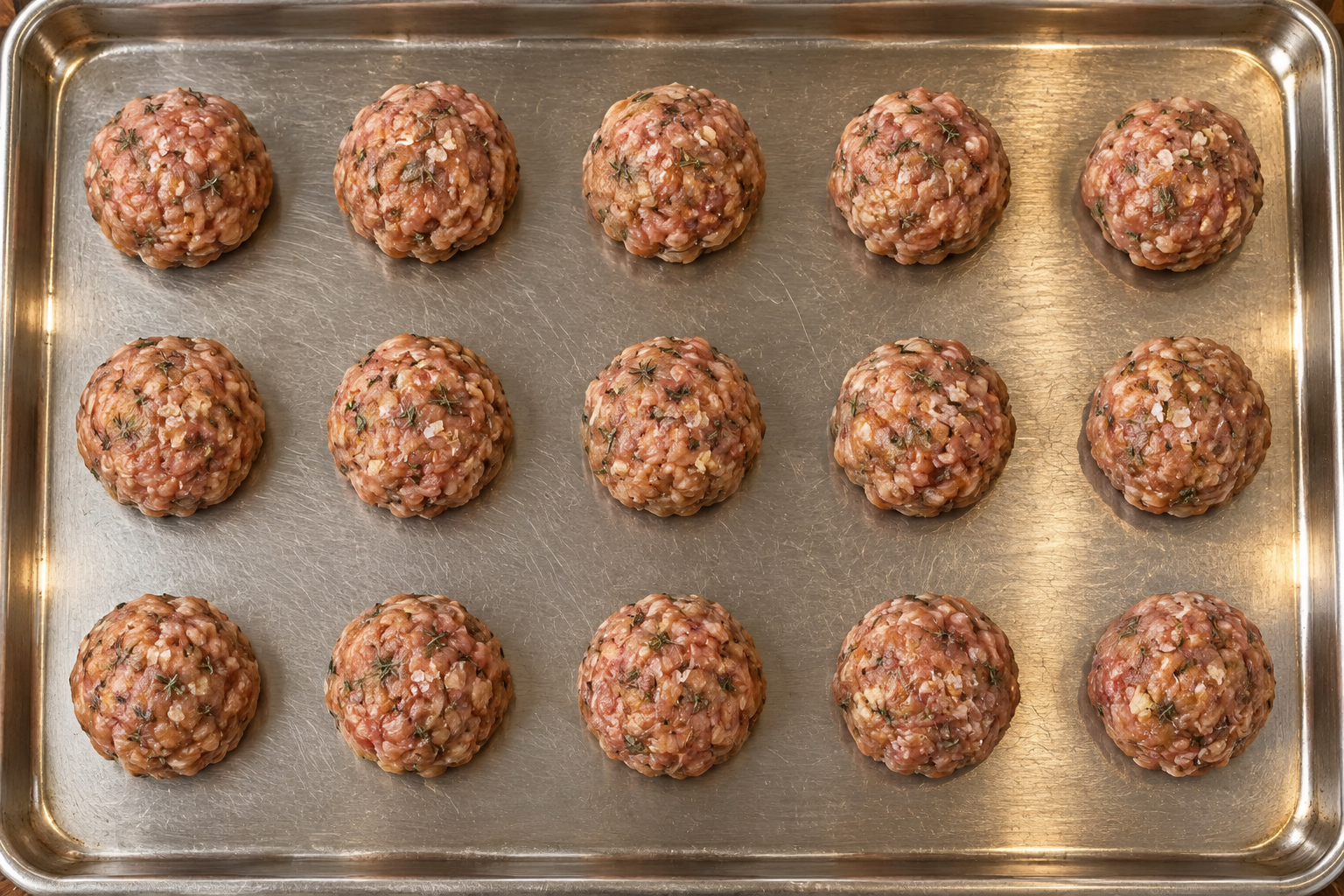
Pinch off portions and roll them gently into meatballs about one inch or a little larger across. The source describes larger meatballs but does not specify an exact scoop size or count. Consistency matters for even cooking, but there is no need to keep squeezing them into perfect spheres.
Arrange the shaped meatballs on a clean, uncoated stainless-steel rimmed baking sheet. Leave space between them so hot air can reach the sides. Do not line the pan with a nonstick mat, parchment, or aluminum; this photographed method uses the bare stainless surface.
How to Bake Herb Meatballs
Heat the Oven to 375°F
Preheat the oven fully before the tray goes in. Starting in a cool oven makes the timing unreliable and encourages the meatballs to release liquid before their surfaces begin setting.
Bake for About 20 Minutes
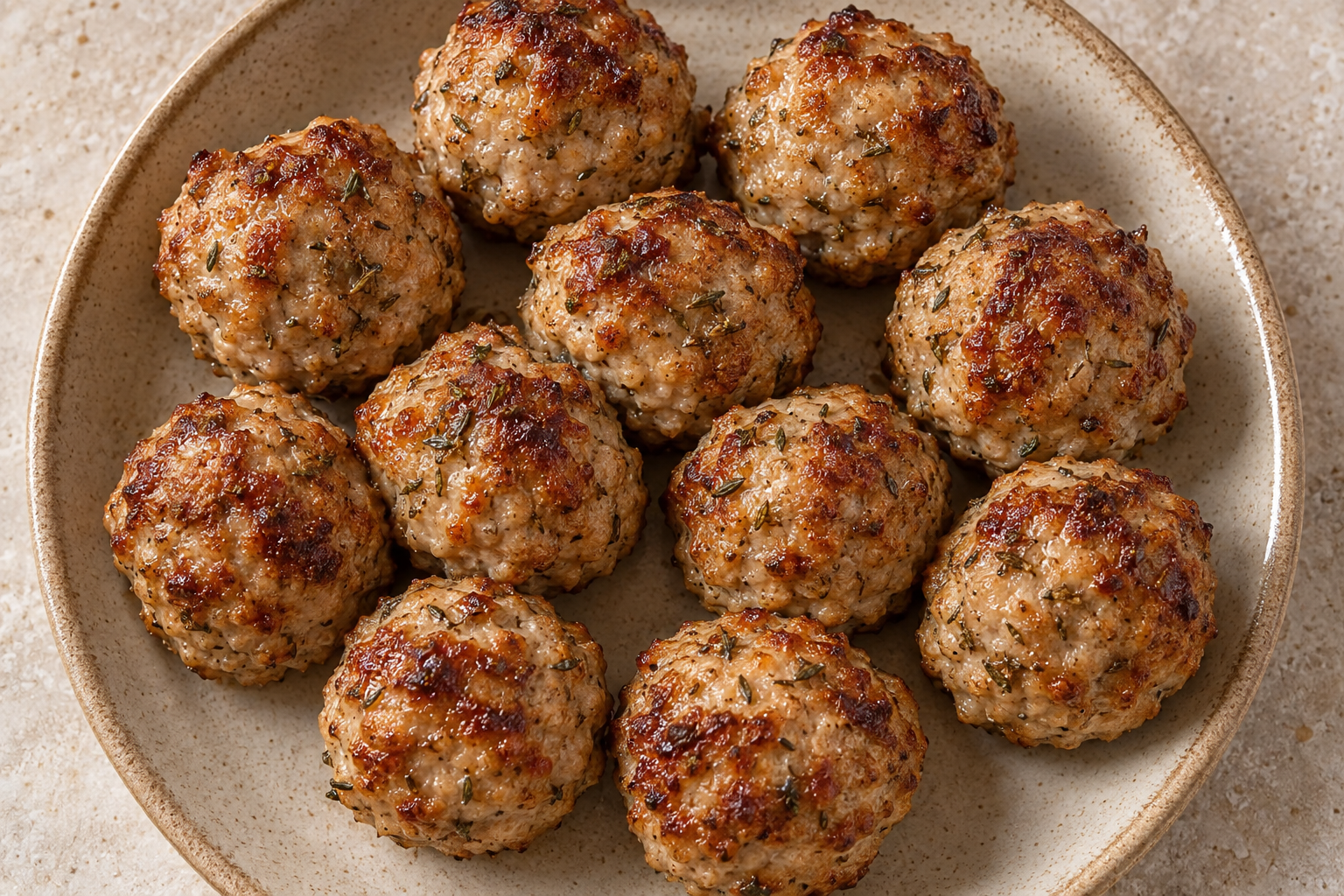
Place the stainless sheet on the center rack and bake for about 20 minutes. The meatballs should change from glossy pink to opaque tan, show golden-brown patches on the exposed surface, and release clear rather than pink juices.
Do not rely on color alone. Check one of the largest meatballs near the center of the sheet with an instant-read thermometer. Ground turkey must reach 165°F. If you used ground pork or beef, continue to 160°F.
Rest Before Serving
Remove the sheet from the oven and let the meatballs rest for about 5 minutes. Their surfaces will feel firmer and the juices will settle. Lift them from the sheet with a stainless or silicone turner rather than scraping them apart.
What the Finished Meatballs Should Look and Taste Like
Baked turkey-thyme meatballs should be tan with scattered golden-brown areas and fine dried-herb flecks. The bottom may be more deeply browned than the top. The center should be opaque, moist, and finely textured rather than wet or rubbery.
The flavor is savory and herb-forward. Coconut aminos add a mild rounded sweetness when used, while dried ginger adds warmth without visible pieces. The baked version has a more concentrated flavor and firmer exterior than the poached meatballs.
Baked Herb Meatballs for Full GAPS
Ingredients
Equipment
Method
- Put the cold ground turkey thigh in a large bowl. Distribute the optional coconut aminos, dried thyme, mineral salt, and optional ginger or pepper evenly over the surface. Mix only until evenly combined; stop while the mixture remains loose and slightly tacky.
- Shape the mixture gently into meatballs about 1 inch or a little larger across. The source does not specify an exact scoop size or count.
- Space the shaped meatballs apart on a clean uncoated stainless-steel rimmed baking sheet. Do not use nonstick coating, parchment, or aluminum.
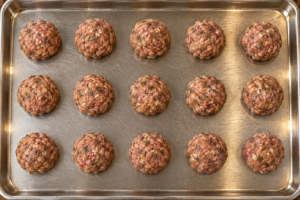
- Bake on the center rack at 375°F for about 20 minutes, until the meatballs are opaque with golden-brown patches and clear rather than pink juices.
- Check one of the largest center meatballs with an instant-read thermometer. Turkey must reach 165°F. If using ground pork or beef, continue to 160°F.
- Rest on the baking sheet for about 5 minutes, then lift with a stainless or silicone turner and serve.
Notes
Tried this recipe?
Let us know how it was!Full GAPS Placement
This is a Full GAPS recipe after the chosen meat, dried herbs, mineral salt, optional ginger or pepper, and optional coconut aminos are individually appropriate and tolerated. Baking does not move an ingredient into an earlier stage.
The formula contains no grain flour, breadcrumbs, egg, cheese, or packaged binder. Those ingredients are not missing from the directions; they are not part of the measured source formula.
Serving Ideas
Serve the meatballs over Braised Cabbage Noodles when you want browned pan flavor, or pair them with Boiled Cabbage Noodles for a milder base. Add Stovetop Nomato Sauce at serving time if that separate formula fits the meal.
The baked meatballs also work beside cooked vegetables or packed cold for a meal away from home. Keep additions and sauces separate so the meatball card remains accurate.
Storage and Reheating
Cool leftovers promptly and refrigerate them in a covered container. Reheat in a covered stainless or ceramic dish at 300°F until the centers are hot. A spoonful of meat stock in the dish can help protect the surface from drying, but stock is a reheating aid rather than part of the baked formula.
For freezing, cool the meatballs completely and freeze in meal-size portions. Thaw overnight in the refrigerator before reheating. If reheating from frozen, cover and use a lower oven temperature so the center warms before the outside becomes dry.
Make-Ahead Options
Mix and shape the meatballs earlier in the day, arrange them on the stainless sheet, cover, and refrigerate. Remove the tray while the oven preheats, then bake by the same temperature and center cues. A cold tray may add a little time, so the thermometer remains the endpoint.
You can also bake the full batch in advance and divide it after cooling. Keeping meal-size portions ready is one reason a two-pound batch is practical for a large family week.
Recommended Equipment
- A clean uncoated stainless-steel rimmed baking sheet
- A large glass mixing bowl
- A clean plate or tray for shaped meatballs
- A stainless or silicone turner
- An instant-read thermometer
- Measuring spoons
Frequently Asked Questions
How Many Meatballs Does the Batch Make?
The source gives a two-pound batch but no exact meatball count. Your count depends on the size you shape, so this recipe does not invent a number.
Can I Use Ground Pork or Beef?
Yes. Keep the source’s two-pound quantity and bake ground pork or beef to 160°F in the center. Ground turkey must reach 165°F.
Why Are My Meatballs Tough?
The meat may have been overmixed, shaped too firmly, or baked beyond its finished temperature. Mix only until combined, shape gently, and check the largest center meatball instead of extending the time automatically.
Why Did Liquid Collect on the Sheet?
Cold meat, a cool oven, or crowded meatballs can release moisture before the surface sets. Fully preheat the oven and leave space between the meatballs. A small amount of juice is normal; a flooded pan suggests crowding or delayed heat.
Can I Poach This Same Mixture?
Yes, but poaching has its own complete recipe, meat-stock requirement, saucepan method, photographs, and soft finished texture. Use the separate Poached Herb Meatballs page.
Can I Add Egg or Coconut Flour?
No binder is measured in this source formula. Adding egg or coconut flour would create a different recipe and change the texture and scaling.
More Full GAPS Dinner Support
If batch-cooking protein is one of the ways you keep Full GAPS workable through school, work, and family schedules, visit the Well Fed & Lived In shop for the upcoming Dinner Cookbook and practical kitchen-planning resources.

Leave a comment