

If you are considering the transition off GAPS, the phase-by-phase rules no longer answer every question about the long-term menu. Some households remain on Full GAPS much longer. Weston A. Price principles are a useful framework for building a wider, traditional-food menu after GAPS. This guide shows where the two approaches overlap, where they differ, and how WAPF principles fit after the GAPS transition requirements are met.
What Weston A. Price Principles Actually Mean
Weston A. Price was a dentist. He published Nutrition and Physical Degeneration in 1939 after studying the diets of non-industrialized communities around the world. The Weston A. Price Foundation[1] built its Wise Traditions Diet on eleven principles drawn from that work.
The framework does not set fixed ratios for protein, fat, and carbohydrate or eliminate grains, dairy, or meat. It focuses on nutrient density, traditional preparation, and sourcing: pastured meat and eggs, cultured and traditionally prepared foods, and fats from minimally processed sources. Households can apply those priorities gradually as budget and access allow.[1]
How Weston A. Price Principles Differ From GAPS
GAPS and Weston A. Price principles share an emphasis on homemade food, fermented foods and traditional fats. Their stock and broth recommendations need a separate distinction: GAPS begins with meat stock, while WAPF includes long-simmered bone broth. The two approaches have different food permissions and timing.[1][2]
Dr. Natasha Campbell-McBride presents GAPS as a therapeutic elimination protocol built around gut and neurological symptoms. GAPS materials describe defined phases, with specific foods restricted at each stage. The 2020 GAPS book says most people follow the strict diet for at least two years; some with milder conditions may begin introducing excluded foods in about a year, while others need many years or continue Full GAPS long term. It calls for at least six months of normal digestion before that transition begins.[2]
Weston A. Price principles work differently. There’s no intro phase and no reintroduction schedule built into WAPF itself. It’s a long-term framework for nutrient-dense eating, flexible enough to include foods GAPS limits or restricts at various stages, including grains and a broader range of legumes and dairy. Full GAPS allows selected legumes and dairy types; WAPF has no GAPS stage requirement of its own.[1][2]
Compatible sourcing and preparation habits can be useful during GAPS. The broader Weston A. Price food categories become relevant as foods return under the GAPS transition conditions; they do not change the book’s initial sequence and one-food-at-a-time progression. The Coming Off GAPS guide lays out those readiness conditions and first foods. Corrado calls the longer-term pattern the “Well” diet. If you want the overall protocol laid out from the start, the GAPS basics guide covers the full picture.
This is where the two approaches tend to get mixed up. WAPF’s wider food categories do not change the GAPS book’s initial sequence or turn several excluded foods into one introduction.[2] WAPF describes a long-term traditional-food pattern; GAPS controls the initial order and gradual response-based introduction of post-GAPS foods.
Why a Post-GAPS Diet Often Turns Toward Traditional Foods
Our family has followed GAPS since July 2024. As a working, homeschooling mom of six, I want the kitchen skills we build along the way to remain useful as our meals change.
Skills learned while cooking GAPS meals can remain useful afterward: reading labels, making stock and preparing familiar meals. Long-simmered bone broth is a distinct preparation; do not assume every household has introduced it. The GAPS Intro Stage 1 guide explains where meat stock fits in the opening meals.[2]
A post-GAPS diet built loosely around Weston A. Price principles lets you keep those skills. You keep real ingredients, homemade ferments, and quality fats. You also open the door to grains, legumes, and more variety, foods a therapeutic protocol may still limit.
That flexibility matters for practical reasons too. Growing kids need enough food and variety, and a wider framework gives a household more meals to work with once each new food has been introduced successfully.
The Core Principles You Can Carry Forward
These food and preparation priorities are adapted from Corrado’s Section XI discussion of the post-GAPS “Well” diet. The Foundation’s current eleven-principle overview groups its priorities differently.[1][4]
- Nutrient-dense whole foods with no processed food
- Fat-soluble activators: vitamins A, D, and K2
- Traditional fats, including animal fats, coconut oil, and olive oil
- Animal foods in every diet
- Organ meats
- Lacto-fermented vegetables, fruits, meats, and condiments
- Soaked and sprouted seeds, nuts, and beans
- Soaked, sprouted, or fermented grains
- Cultured dairy
- Raw and high-enzyme foods, including raw milk and raw meat
- Gelatin-rich bone broths, once bone broth fits the GAPS book’s timing and individual tolerance
The four sections below show how the main preparation and timing points carry forward.
Properly Prepared Grains and Legumes
GAPS restricts grains and most legumes, though some properly prepared beans and lentils appear later in the Full GAPS protocol. Weston A. Price principles instead focus on how you prepare grains and legumes: soaking, sprouting, and fermenting before cooking.
Corrado recommends soaking, fermenting or sprouting beans, legumes, pulses and grains before cooking. The method depends on the specific grain or legume; soaking, sprouting, and fermenting are not interchangeable shortcuts.[4]
Sourdough bread, soaked oats, and beans soaked before thorough cooking are examples of traditional preparation within the WAPF framework. Introduce them only when they fit the GAPS transition and the person eating them. For diagnosed celiac disease, wheat, rye, barley, and their derivatives remain excluded; oats must be labeled gluten-free to address cross-contact.[3]
Nutrient-Dense Animal Foods
Animal foods, organ meats, pastured eggs, and gelatin-rich bone broth are explicit parts of the WAPF framework.[1][4] These are different foods with different nutrient profiles. A stock is not a nutritional substitute for the meat, eggs or other substantial foods in a meal.
Meat stock and bone broth are not interchangeable in GAPS. Meat stock controls the first year at minimum, and for some people several years, before bone broth is introduced. After the GAPS transition, a WAPF-style menu can continue whichever stocks and broths have already been introduced and tolerated.[2]
Fermented Foods and Beverages
Sauerkraut, kimchi, kefir, and other fermented foods are part of both GAPS and the Weston A. Price framework.[1][4] Keep the actual ingredients, salt, temperature, submersion, and fermentation method clear instead of treating every fermented food as interchangeable.
Traditional Fats
WAPF favors traditional fats over refined seed oils: pastured butter, tallow, coconut oil, and olive oil. The emphasis is on traditional fats from whole, minimally processed sources rather than industrially refined oils.[1]
Using Weston A. Price Principles Without Rushing Post-GAPS
Weston A. Price principles describe what a long-term traditional-food pattern includes. They don’t tell you the specific order to add foods back after finishing GAPS. That’s its own topic, with its own considerations, separate from what’s covered here.
Keep a simple food log if that helps you. Write down what you added and anything you noticed afterward. You don’t need to track every gram. You need enough of a record to spot a pattern.
Keep what already works in your kitchen. Whichever stock or broth has already been introduced and tolerated, along with fermented vegetables and familiar main dishes, can remain. Moving past a restrictive phase doesn’t require dropping every habit that came with it.
What to Watch For
A new food can coincide with a change in how someone feels. Write down what changed, the preparation, the portion, and when the response appeared. Pause that new food if symptoms return rather than adding another variable.
Kids still need individual pacing. A food that sits well with one child may not sit well with a sibling, so record each person’s introduction separately instead of moving the whole household on one timeline.
Common Pitfalls
Rushing the reintroduction. Adding several previously excluded foods together can make it harder to identify which change coincided with a reaction.
Treating WAPF as a stricter version of GAPS. It isn’t. Traditional-foods principles aim for something sustainable long-term, not another list of hard restrictions.
Moving raw milk ahead of the GAPS dairy sequence. Raw and high-enzyme foods, including raw milk, appear in Corrado’s summary, but the 2020 GAPS book places unfermented raw milk after digestion has healed, homemade fermented raw-milk foods are tolerated, and cheese has been introduced. It starts with a tiny amount.[2]
Forgetting that food quality varies. Not every loaf of bread goes through the same preparation. Not all butter comes from pastured cows. Sourcing matters here as much as the ingredient list does.
Comparing your timeline to someone else’s. Every person’s transition moves at its own pace. Another family’s timeline does not replace the book’s readiness conditions: for most people, at least two years on the strict diet, at least six months of normal digestion, and a gradual response-based introduction. Some stay on Full GAPS for many years.
Frequently Asked Questions
Can You Follow Weston A. Price Principles While Still on GAPS?
Traditional preparation habits can carry forward while the food choices follow your current GAPS phase. Grains and legumes need their own reintroduction timing and preparation; use the book’s initial sequence and one-food-at-a-time approach for the next food you are considering.
How Long Should You Wait After GAPS Before Adding Grains Back In?
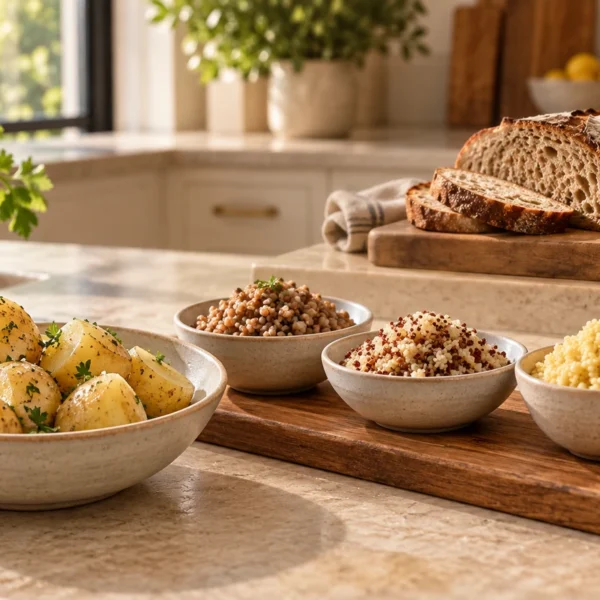
For most people, the 2020 GAPS book calls for at least two years on the strict diet and at least six months of normal digestion before introducing excluded foods. It names new potatoes and fermented buckwheat, millet, and quinoa first. If nightshades are a problem, it says to try tomato, eggplant, and peppers before potato. Celiac disease still excludes wheat, rye, and barley; it is not a later-stage grain introduction.[2][3]
Do You Have to Eat Organ Meats to Follow Weston A. Price Principles?
Organ meats are emphasized in WAPF’s current principles and listed in Corrado’s post-GAPS summary.[1][4] The Foundation says households can adapt its principles for availability, allergies, and preferences; including organ meats is one way to follow that food priority.
Is Raw Dairy Required in a Weston A. Price Approach?
No single dairy food is required for every household under WAPF’s flexible framework; it emphasizes raw dairy while accommodating allergies and preferences.[1] If following GAPS, the 2020 book places unfermented raw milk after digestion has healed, homemade fermented raw-milk foods are tolerated, and cheese has been introduced. It begins with a tiny amount.[2]
Your Next Step
Write down one food you are considering adding back and the exact reason it was restricted in the first place. Note its ingredients, how you will prepare it, and any allergy or celiac limits that still apply. Start with the next food in the book’s initial sequence, introducing one food at a time and observing the response before moving on. The GAPS food-list reference helps confirm what still belongs to the current phase. That turns a broad traditional-foods idea into one specific decision you can actually act on.
Keep the Transition Order Handy
Keep the readiness conditions and first foods together in your own notes: at least six months of normal digestion, one new food at a time, and a small first portion observed for two to three days.[2] My Coming Off GAPS course is listed in the WFLI Shop. Use the Coming Off GAPS guide to keep the book’s transition steps beside your food notes.
References
- Weston A. Price Foundation. “11 Principles of a Wise Traditions Diet.” See also “Introduction to the Principles.”
- Campbell-McBride, N. Gut and Physiology Syndrome (2020), Chapters 11 and 14 (dairy), Chapter 19, “Coming off the GAPS Diet,” and Chapter 21, “What we shall eat and why, with some recipes,” subsection “Meat Stock and Soups.”
- National Institute of Diabetes and Digestive and Kidney Diseases. “Eating, Diet, and Nutrition for Celiac Disease.”
- Corrado, M. The Complete Cooking Techniques for the GAPS Diet, 2nd ed., Section XI, “What to Eat After GAPS.”

Leave a comment