

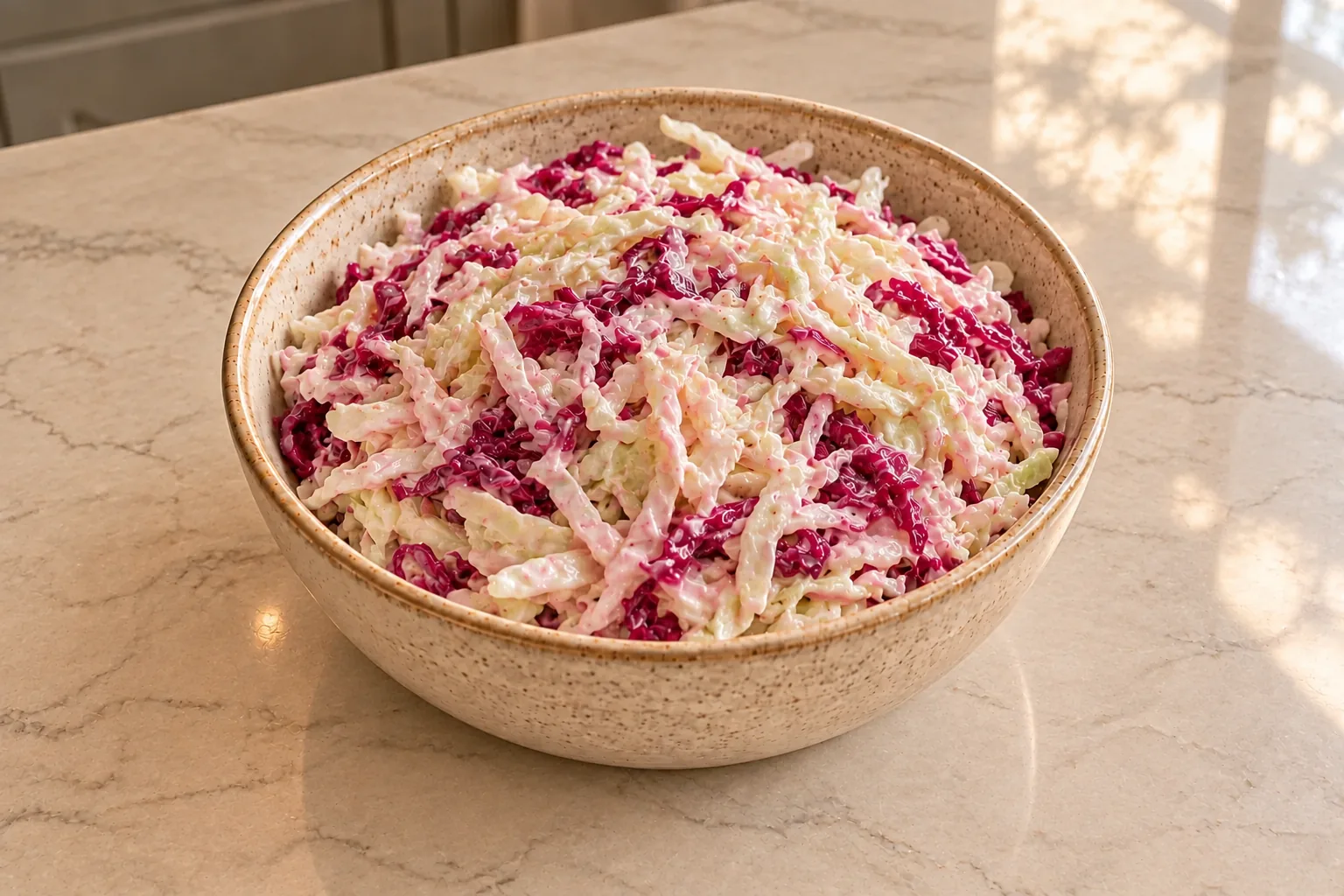
Ruby red sauerkraut coleslaw is a creamy, tangy side with two cabbage textures: thin fresh shreds for crunch and a little fermented red cabbage for sourness and color. Stir in homemade mayonnaise and raw apple cider vinegar, then give it twenty minutes to rest. The dressing begins to turn pink as the red kraut mixes through it.
This is a small four-serving recipe for Full GAPS. It uses ten ounces of fresh cabbage, six tablespoons of completed red sauerkraut, four tablespoons of homemade mayonnaise, and two teaspoons of vinegar. If the mayonnaise and kraut are already made, there is very little cooking work to do. The slaw itself does not need another fermentation.
Making fermented foods and other staples at home has been part of our family’s GAPS routine. There are times when the work is in getting those jars ready, and times when dinner can use a few spoonfuls from them. This slaw belongs to the second group. You can see exactly which prepared ingredients you need before starting another job in the kitchen.
In a household with six children, side dishes also need a clear place in the meal. Here, the creamy dressing and fresh crunch go beside the main dish. It is one cool side alongside the main dish. Have the completed kraut and mayonnaise ready, slice the fresh cabbage, and let the bowl stand while you finish the rest of the meal.
Fresh Cabbage And Ruby Red Sauerkraut
Use fresh green or white cabbage for the larger part of this slaw. Weigh ten ounces after removing the hard core and any damaged leaves. The original recipe also describes that quantity as two cups. Weight is the easier way to repeat it because a cup of loosely dropped shreds and a cup of firmly packed shreds will not hold the same amount.
Slice the cabbage thinly, about one-eighth inch. A sharp knife and a stable cutting board work well. A mandoline gives you even slices; use its holder. With a knife, work through manageable quarters rather than trying to balance a whole round head. Keep the shreds thin enough to coat easily, with some irregularity rather than thick wedges.
The second cabbage is homemade red cabbage sauerkraut. Measure six tablespoons of the completed ferment. It should already have the sharply sour taste and stopped gas that mark GAPS readiness. A newly packed jar is still fermenting and is not the prepared ingredient for this twenty-minute salad.
Keep the red sauerkraut plain. The linked recipe uses red cabbage and natural salt, with its jar preparation explained separately. A cabbage-and-carrot ferment adds a different vegetable, while seasoned kraut brings its seasonings into the slaw. Six tablespoons of ruby kraut should be scattered through the fresh shreds, rather than replacing all ten ounces of fresh cabbage.
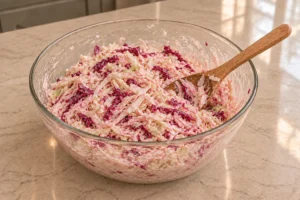
Red cabbage gives the dressing its pink color. At first you may see pale fresh shreds and darker ruby pieces quite separately. After mixing and resting, pink streaks spread into the mayonnaise. Some purple pieces should remain visible. You are looking for a dressed cabbage salad, with distinct ribbons, rather than a smooth pink mixture.
Homemade Mayonnaise And Vinegar
Use four tablespoons of homemade GAPS mayonnaise. That linked recipe uses cold-pressed oil and raw egg yolks. Its avocado oil stays unheated in this salad. The four-tablespoon measure is enough to coat this small batch when it is mixed with the vinegar and worked through the shreds.
Add two teaspoons of raw apple cider vinegar, preferably with the mother. The vinegar adds its own sharpness alongside the fermented cabbage. Stir it into the mayonnaise so you can see whether the dressing is evenly creamy before it goes over the vegetables. You do not need to add water to this formula.
Taste before adding salt. The sauerkraut and mayonnaise already bring some salt with them, so add more only to taste. The original slaw also offers a small, unmeasured addition of honey for people who prefer it sweeter. Extra honey is optional here; it is not one of the measured ingredients in the photographed batch.
The classic mayonnaise linked above includes honey in its own recipe. This slaw adds no extra honey by default. That distinction matters if you are choosing ingredients for a no-honey approach: read the mayonnaise recipe itself, rather than assuming that a salad with no extra sweetener has no honey anywhere in it.
A Few Simple Tools
Have a kitchen scale, a sharp knife and board or a mandoline with its holder, a small glass bowl for the dressing, and a larger glass mixing bowl for the cabbage. Tablespoon and teaspoon measures keep the quantities clear. A wooden spoon or another appropriate food-contact utensil is enough for stirring. The slaw does not need a blender.
Choose a mixing bowl with room to lift and fold the shreds without scattering them across the counter. A larger bowl makes tossing easier, even though the finished recipe is only four side servings. Use a smaller serving bowl once the salad has rested. That keeps preparation space and the finished table portion practical.
How To Make The Pink Coleslaw
Slice And Measure The Cabbage
Thinly slice the ten ounces of fresh cabbage and put it in the larger mixing bowl. Measure the six tablespoons of red sauerkraut separately. Keep the fresh and fermented quantities distinct as you prepare them. This gives the salad both its crunchy fresh base and its smaller sour, colorful addition.
Stir The Dressing Until Creamy
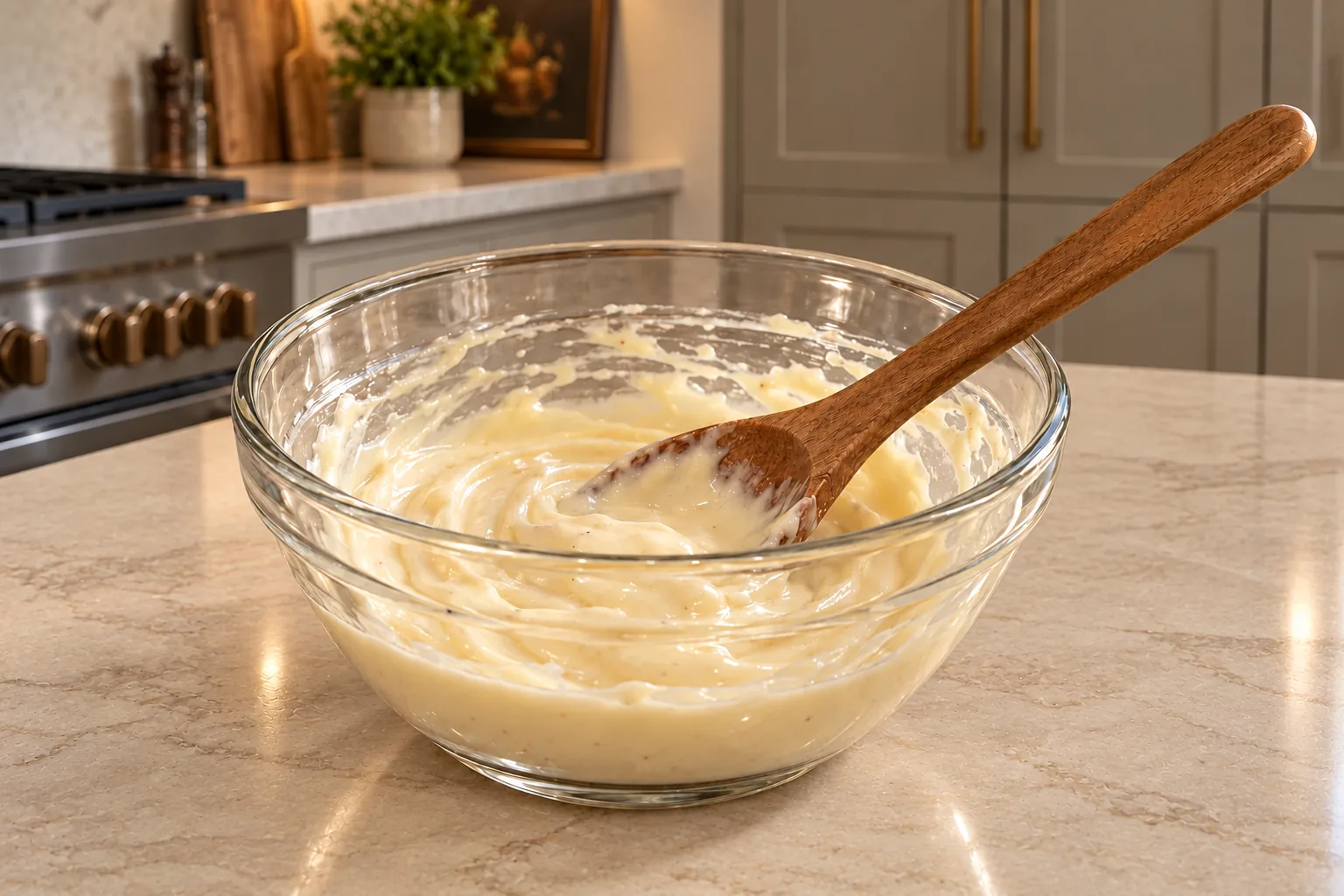
Put the four tablespoons of homemade mayonnaise in the small bowl. Stir in the two teaspoons of raw apple cider vinegar until there are no separate vinegar streaks. The dressing should cling to the spoon and spread over the cabbage. It will be paler than the finished slaw because the red kraut has not been mixed through it yet.
Toss And Give It Twenty Minutes
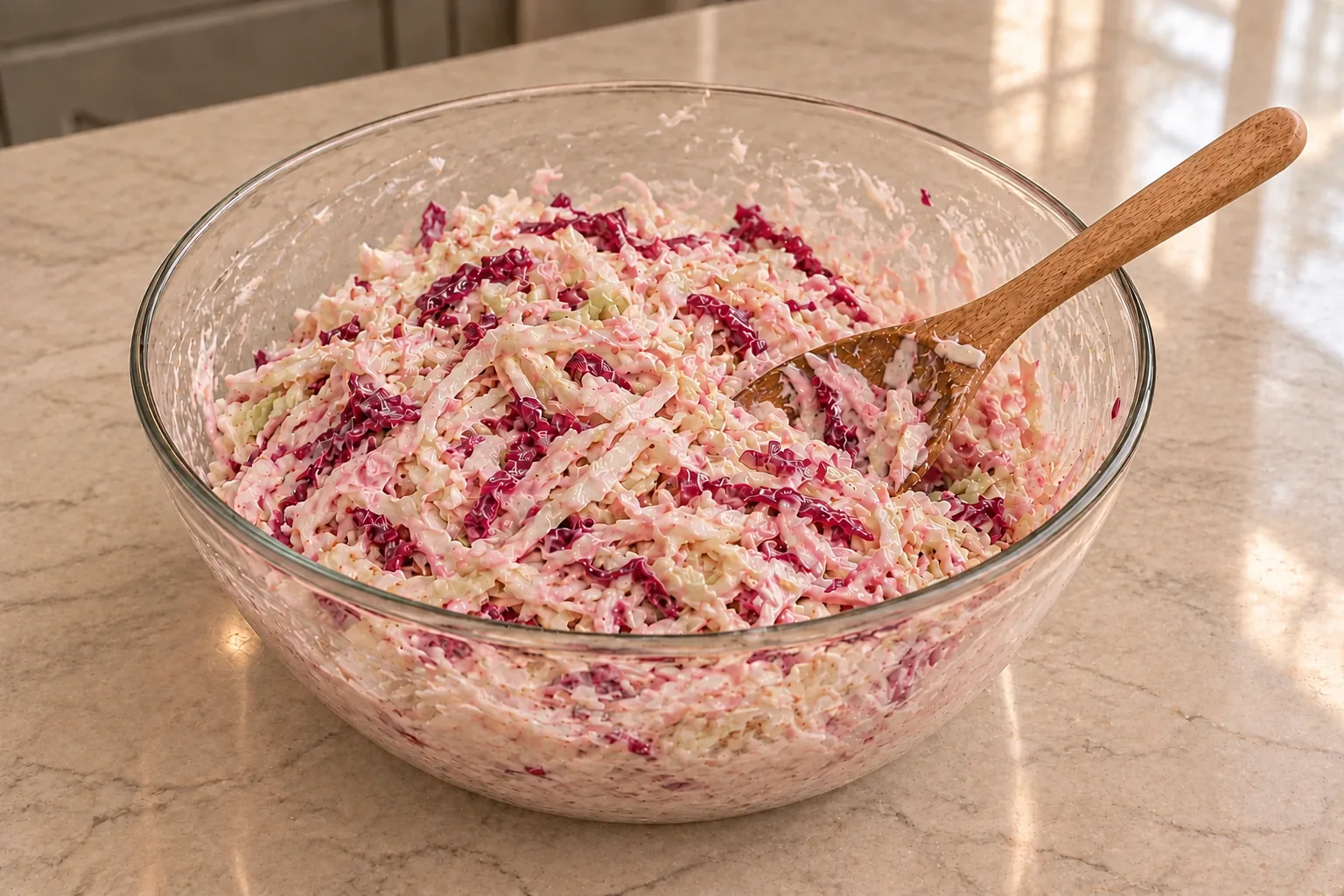
Add the red sauerkraut and dressing to the fresh cabbage. Lift the lower shreds up through the mixture and keep stirring until both cabbage types are distributed. Look for undressed pale strips around the bottom and edges of the bowl. Fold those through the creamy mixture rather than adding more mayonnaise before you have mixed the measured amount thoroughly.
Allow the mixed slaw to sit for about twenty minutes. The fresh cabbage should retain its crunch, while the ruby pieces and mayonnaise produce the pretty pink coating. Stir again after the rest, then taste and add salt as needed. If you want the optional sweeter version, add only a little raw honey to taste.
GAPS Placement And Ingredient Choices
This recipe is labeled Full GAPS. It combines raw fresh cabbage with fermented cabbage and a homemade mayonnaise whose ingredients also need to fit your diet. In the 2020 GAPS book, raw vegetables begin in Intro Stage 5 with softer lettuce and peeled cucumber, then other vegetables, including cabbage, are added gradually after those are tolerated.
The earlier-stage choice is the plain red sauerkraut on its own. Its fermented solids begin gradually at Intro Stage 3, and earlier Intro uses juice from the completed ferment. Those are different serving choices from this fresh-cabbage salad. No-Plant GAPS excludes the cabbage solids, so this slaw is not a No-Plant recipe.
For an egg-free Full GAPS choice, the mild avocado mayo has an egg-free option when you leave out its optional yolk. Use the same four-tablespoon mayonnaise amount in the slaw. That changes the flavor and tint because avocado and garlic replace the classic egg-yolk emulsion. The photographs show the classic mayonnaise version.
For a honey-free version, use four tablespoons of that mild avocado mayo and leave any extra honey out. It has no honey in its formula. On Ketogenic GAPS, a vegetable side still needs to fit the individual proportions of fat, protein, and carbohydrate you follow. The default classic-mayonnaise version keeps its Full GAPS label.
Serving And Keeping The Slaw
Serve the slaw as a cool side beside a warm main dish. Its tang and creamy coating work well with the large-bowl beef taco salad when that meal’s ingredients fit your diet, or with plain cooked meat and vegetables. A smaller portion gives you a contrast in texture without crowding the plate.
Make it close to the meal when you want the freshest crunch. Keep any prepared slaw covered in the refrigerator and stir it before serving again. Raw cabbage can release more liquid as it stands, so the dressing may look looser later. Keep the twenty-minute rest for the first serving, and expect the texture to change with longer storage.
Freezing is not a useful way to preserve the fresh crunch of this salad. Keep the cabbage preparation and the finished mayonnaise-and-vinegar dressing separate if you are organizing the work ahead, then combine them for the measured rest before serving. The completed red sauerkraut remains in its own refrigerated jar with its brine.
Frequently Asked Questions
Can I Use Fresh Red Cabbage For The Sauerkraut?
Keep fermented red cabbage for the six-tablespoon ingredient. Fresh red cabbage provides color but does not have the sour flavor or the completed fermentation specified here. The larger ten-ounce portion is the fresh cabbage in this recipe.
Why Is Mine Pink Rather Than Deep Red?
Most of the cabbage is fresh green or white cabbage, and the mayonnaise is pale. The smaller ruby sauerkraut portion colors the dressing as you stir and rest it. A light pink coating with darker pieces showing through is the intended mix.
Can I Make It Without Eggs?
Use the egg-free option in the linked mild avocado mayo, with its optional yolk omitted, and keep the slaw’s mayonnaise amount at four tablespoons. Expect an avocado flavor and a different tint. The classic version shown here uses the egg-yolk mayonnaise.
Do I Need To Add The Honey?
Additional honey is optional and unmeasured. Taste the rested slaw first. If you like its tang as it is, leave it alone. Remember that the mayonnaise you choose may already contain honey.
How Do I Double The Recipe?
Use twenty ounces of fresh cabbage, twelve tablespoons red sauerkraut, eight tablespoons homemade mayonnaise, and four teaspoons raw apple cider vinegar. That gives eight side servings. Keep the rest at about twenty minutes; the quantities double, while the rest does not.
Keep The Homemade Staples Ready
The planned Weekly Kitchen Rhythm Planner fits the work behind a recipe like this: having homemade staples ready before the meal itself needs attention. Browse current and upcoming resources in the WFLI shop. The red kraut is a longer project, mayonnaise is a separate preparation, and the slaw is the short job you make from them.
Ruby Red Sauerkraut Coleslaw for Full GAPS
Ingredients
Equipment
Method
- Thinly shred the fresh cabbage to about 1/8 inch. Weigh the amount in the ingredient list and put it in a glass mixing bowl. Measure the completed plain red sauerkraut separately.
- Stir the homemade mayonnaise and raw apple cider vinegar, using the quantities in the ingredient list, in a small glass bowl until evenly creamy with no separate vinegar streaks.
- Add the red sauerkraut and dressing to the fresh cabbage. Toss until the cabbage types are distributed and all shreds have a light coating, including those around the bowl’s bottom and edges.
- Allow the mixed slaw to sit for about 20 minutes. Stir again, taste, and add mineral salt as needed. If desired, add only a little raw honey to taste for extra sweetness. Serve as a cool side; refrigerate covered when holding or storing.
Notes
Tried this recipe?
Let us know how it was!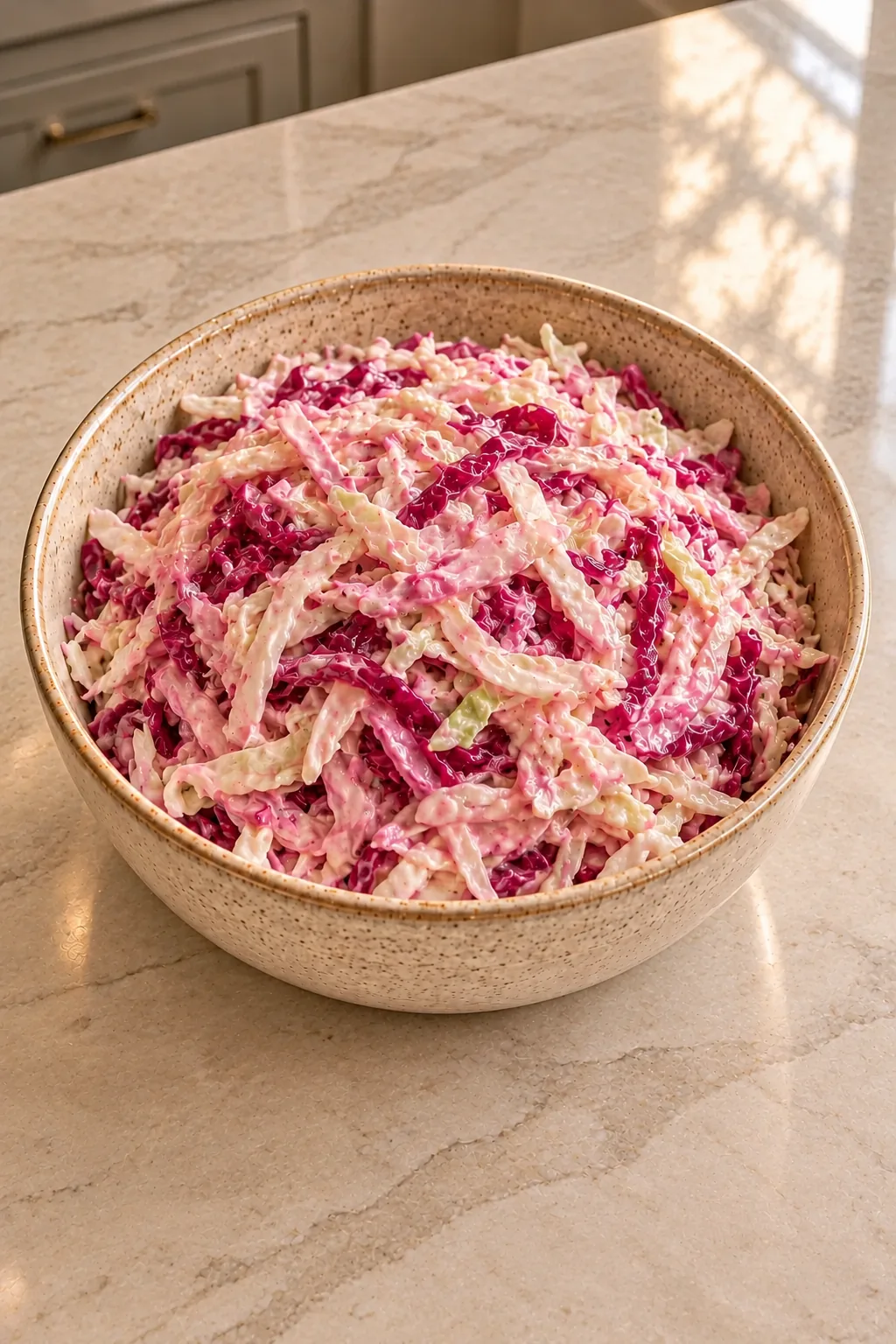

Leave a comment