

This nightshade-free BBQ sauce gets its deep red color and smooth body from carrots, beet, and onion. Apple cider vinegar gives it the sharp edge barbecue sauce needs, raw honey rounds that acidity, and ginger, garlic, coconut aminos, and optional fish sauce keep the flavor savory. The result is thick enough to cling to chicken and vegetables without relying on tomato, peppers, starch, or refined sugar.
This is the component I want ready before a busy dinner starts. With six children, homeschool, and a second-shift schedule in our house, a finished jar turns the main meal into a much shorter job. Steam the vegetables, blend until there is not a single gritty beet piece left, then cool the sauce. From there it can coat chicken, dress a warm bowl, or wait in the refrigerator for the next meal.
GAPS Placement: Full GAPS; not the Introduction Diet
Prep Time: 10 minutes
Cook Time: 15 minutes
Blending Time: About 1 minute
Total Time: About 26 minutes, plus cooling
Yield: About 2 cups
Why This Nightshade-Free BBQ Sauce Works
Carrots, beet, and onion do three jobs at once. They give the sauce enough body to coat food, provide the natural sweetness that tomato-based sauces often get from added sugar, and create a believable barbecue color. Steaming softens them without filling the vegetables with extra cooking water. When they are tender all the way through, the blender can turn them into a smooth base rather than a grainy puree.
Prepared homemade chicken meat stock loosens that vegetable base. Use meat stock made with raw meaty chicken pieces rather than substituting bone broth. The measured two-thirds cup gives the blender enough liquid to move while keeping the final sauce thick.
Apple cider vinegar supplies the tart part of the sweet-tart balance. Raw honey is the Full GAPS sweetener branch. Coconut aminos add a dark, salty-savory note, and fresh ginger and garlic keep the sauce from tasting like sweet pureed vegetables. Traditionally fermented fish sauce is optional, but one teaspoon adds depth without making the finished sauce taste fishy. Optional fat rendered from additive-free uncured bacon gives a smoky note and a rounder mouthfeel.
This is one sauce formula. It does not hide a chicken recipe, salad recipe, or Nomato-sauce shortcut inside the card. Those complete dishes belong in their own posts and link back here when they need two cups of sauce.
What The Finished Sauce Tastes And Looks Like
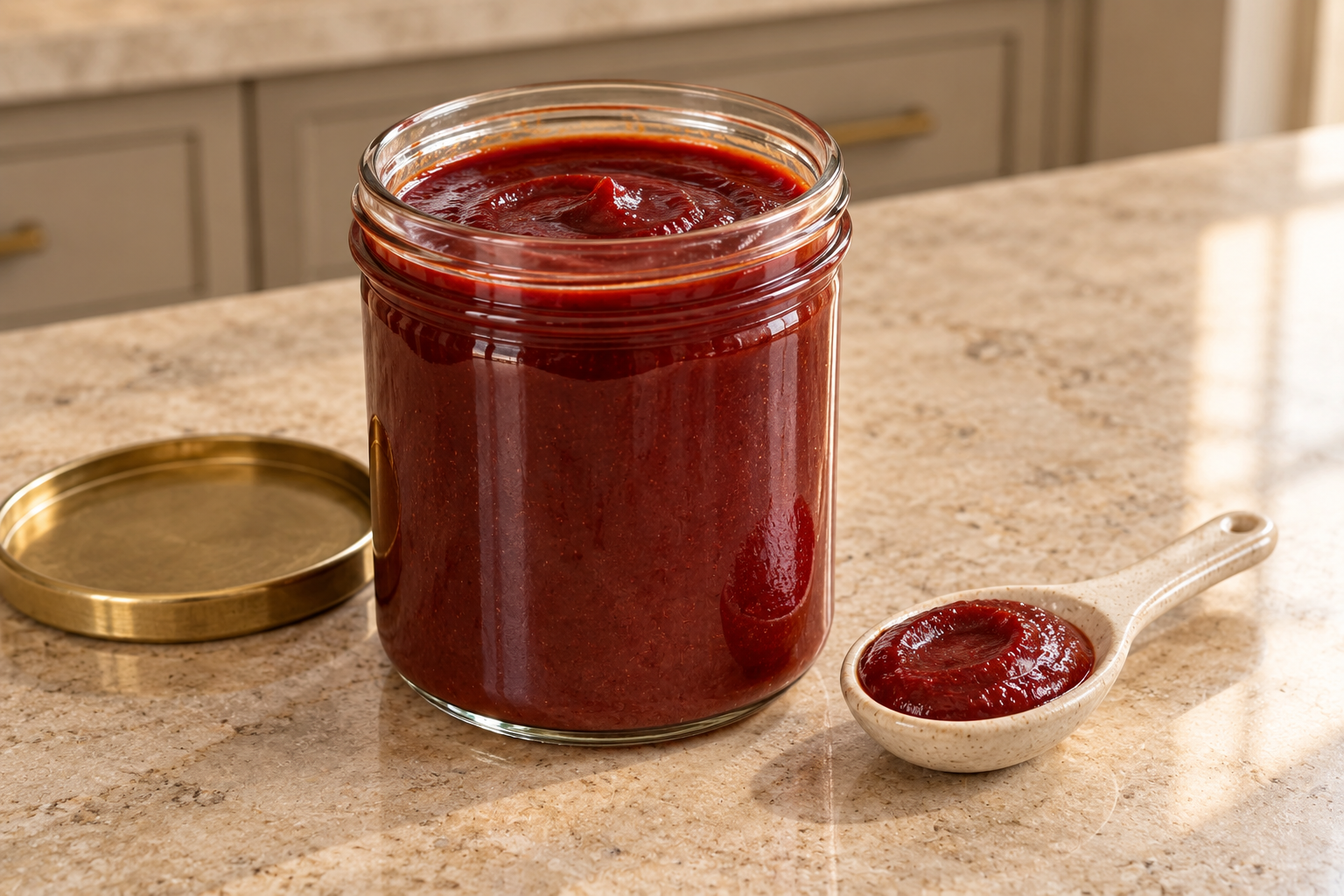
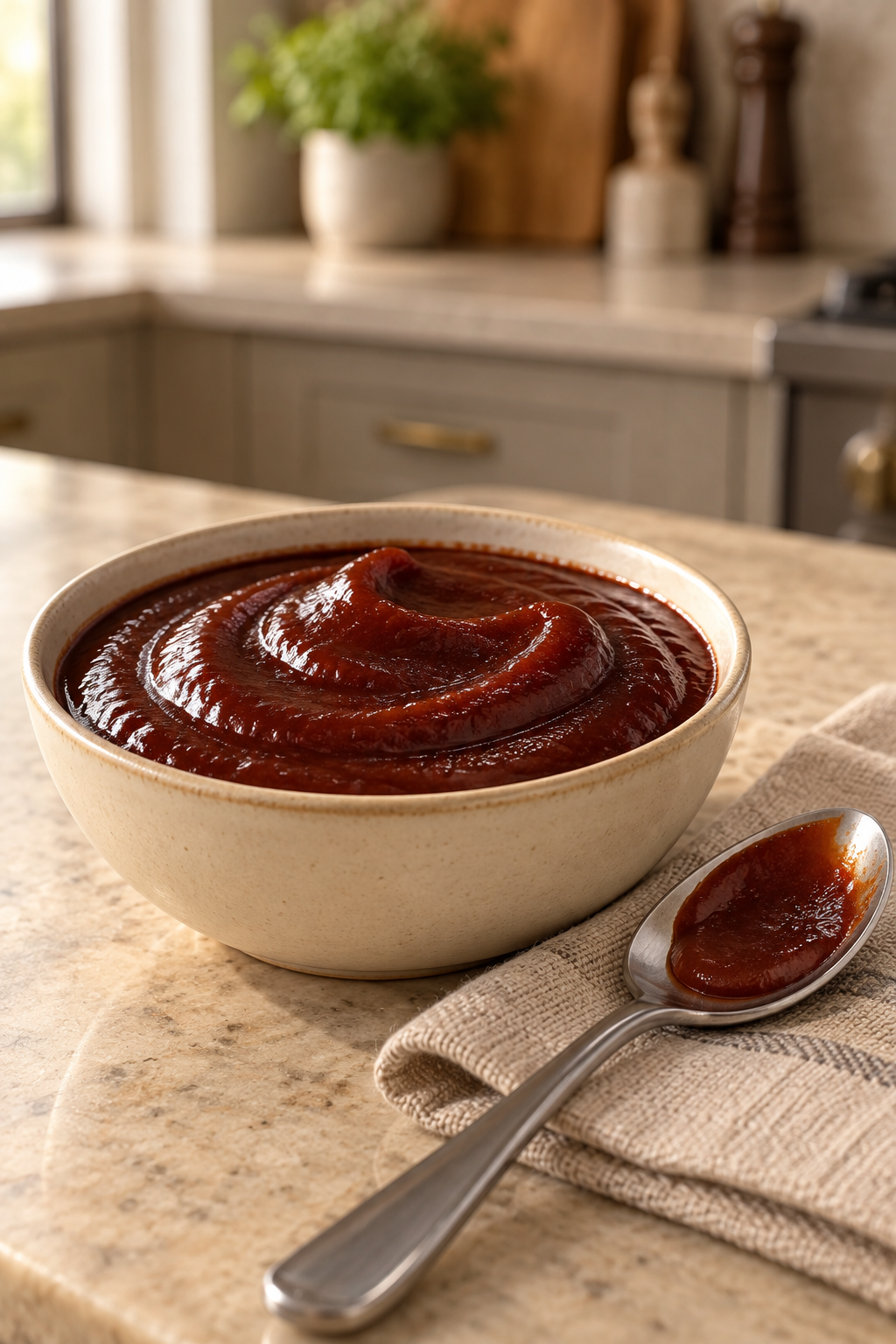
The finished color is a deep natural burgundy rather than bright ketchup red. It should smell first of warm ginger, garlic, and vinegar, with honey underneath. The beet should support the color and earthy depth without taking over the flavor.
The texture is smooth and spoon-coating. When you drag a spoon through the sauce, it should leave a track for a moment before the sauce settles back. It remains pourable, but it should not run across a plate like stock. Small vegetable pieces, pale onion streaks, or gritty beet flecks mean it needs more blending.
The flavor should land in this order: savory and tangy first, then gentle sweetness, then the warmth of ginger and garlic. If it tastes simply sweet, check that the full quarter cup of cider vinegar and the measured sea salt made it into the blender. If it seems harsh while hot, let it cool before making another judgment. Vinegar and ginger taste sharper straight from a warm blender jar.
Full GAPS Ingredient Notes
Use the measured honey branch for this version. Maple syrup and blackstrap molasses belong to other dietary versions of the source and are not part of this Full GAPS formula. Start with raw honey, understanding that the sauce ingredients are blended while the vegetables are still warm.
Use prepared homemade chicken meat stock with a clean chicken aroma and no commercial seasonings. If you need the method first, make homemade chicken meat stock before starting the sauce.
Choose coconut aminos by the full ingredient list rather than the front label. It should fit the current WFLI Full GAPS ruling and contain no soy sauce, starch, refined sugar, preservatives, or flavor blend hidden behind a general term.
The optional bacon fat must come from additive-free uncured bacon. It is optional for a reason: the sauce still blends and coats without it. Include it when you want the smoky richness; leave it out when the sauce needs a cleaner ginger-and-vinegar flavor.
Fish sauce is also optional. Use a traditionally fermented product with a short compatible ingredient list. If fish sauce is not part of your kitchen, omit it instead of replacing it with miso or another soy condiment.
How To Make Nightshade-Free BBQ Sauce
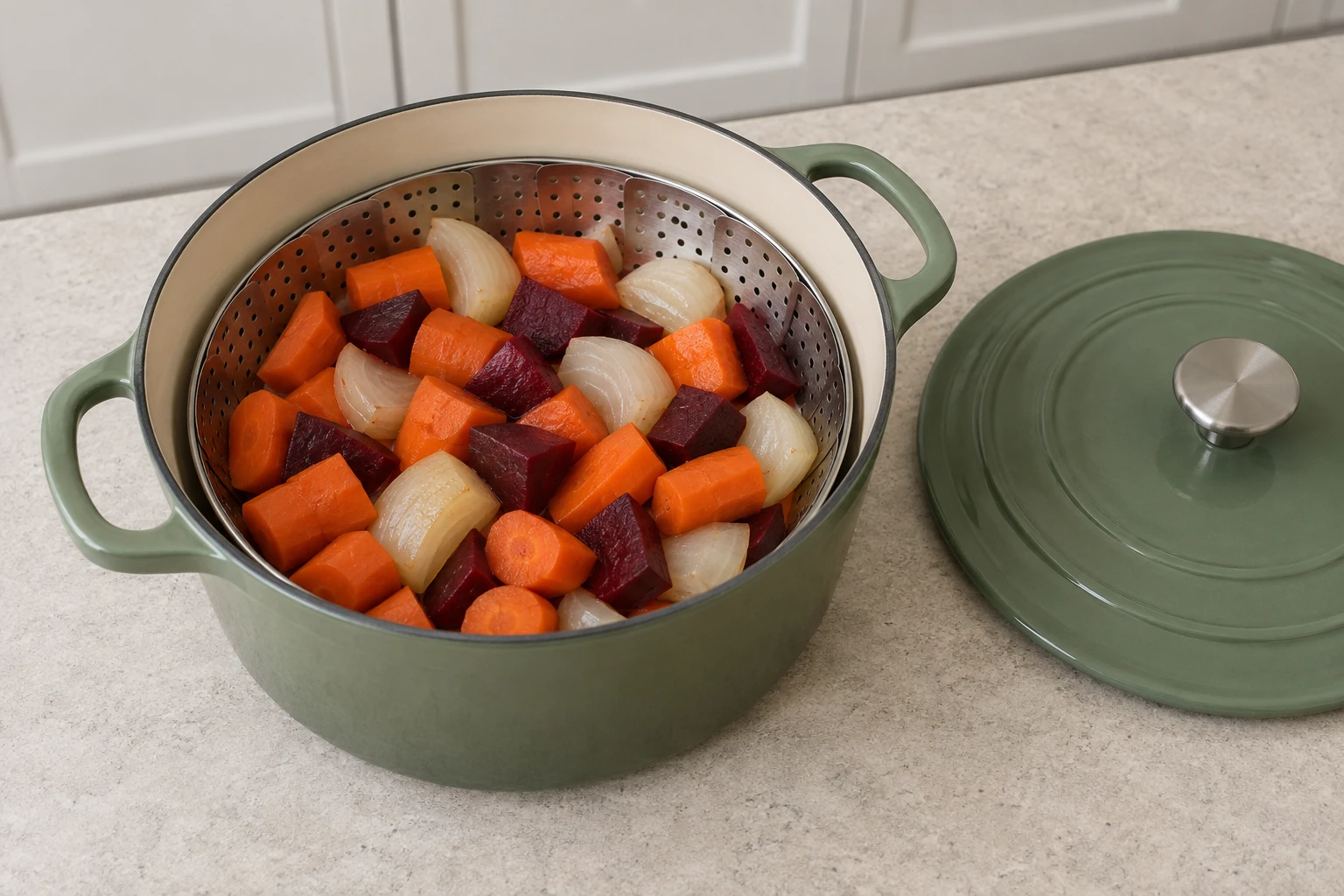
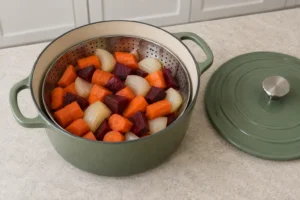
Roughly chop four carrots, one small beet, and one small peeled onion. Keep the pieces fairly even so the beet does not remain hard after the carrots are tender. Put them into a stainless-steel steamer basket over boiling water, cover, and steam for about 15 minutes.
Check the largest beet and carrot pieces with the tip of a knife. The knife should slide through with little resistance. If the center still feels firm or crunchy, keep steaming. An undercooked beet is the most common reason this sauce feels gritty after blending.
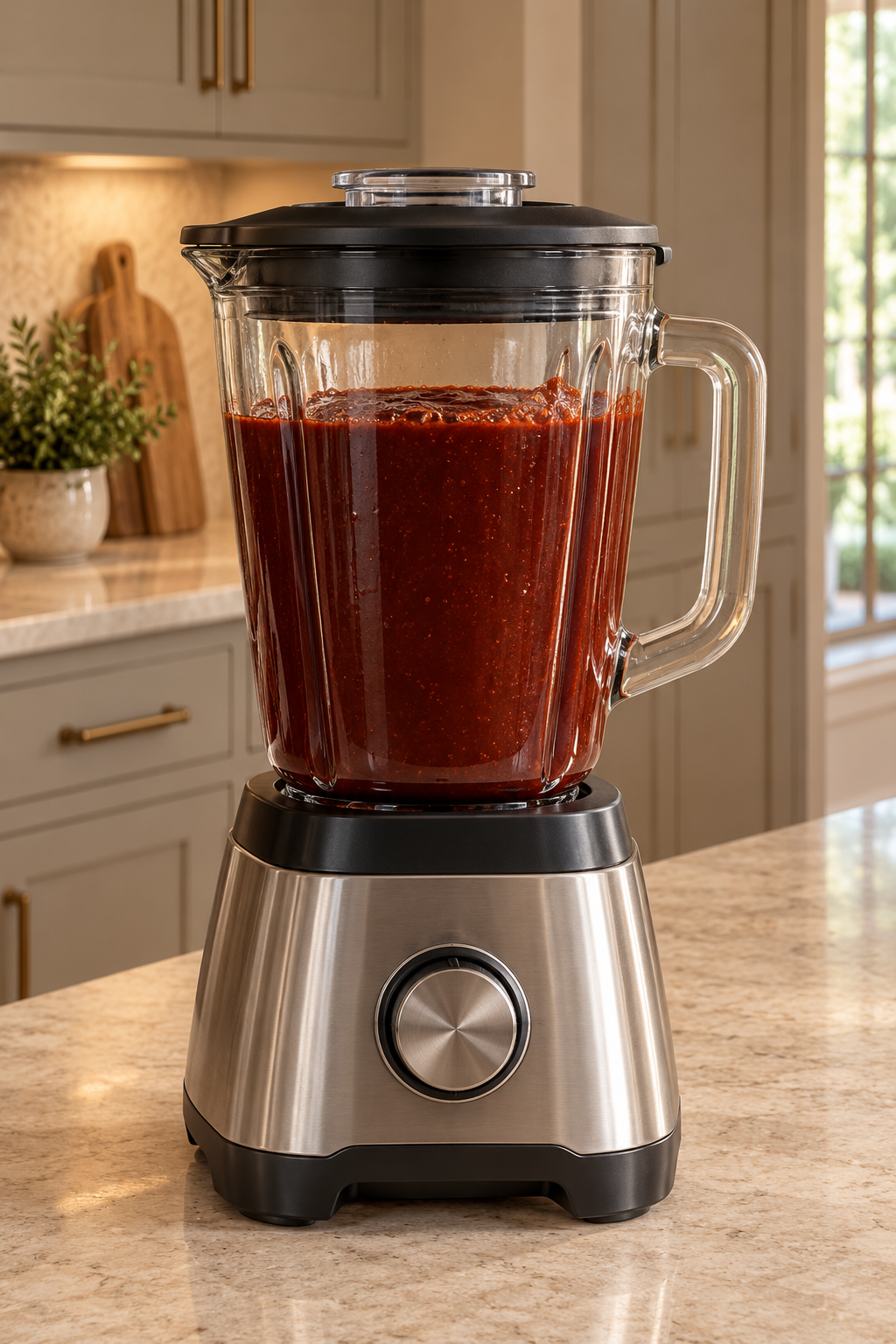
Transfer the hot vegetables to a high-powered blender. Add two-thirds cup prepared chicken meat stock, one-quarter cup apple cider vinegar, the optional quarter cup bacon fat, three tablespoons raw honey, three tablespoons compatible coconut aminos, two tablespoons grated fresh ginger, two garlic cloves, the optional teaspoon fish sauce, and one-quarter teaspoon natural sea salt.
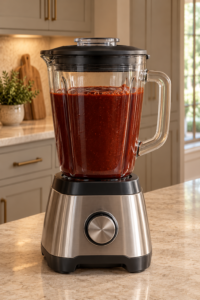
Secure the lid and start on low. Increase the speed only after the vegetables begin moving through the blades. Blend on medium to medium-high for about 45 seconds. Stop and inspect the sauce. It should be one uniform burgundy color with no pale onion ribbons, carrot corners, or gritty beet specks. If needed, scrape down the blender with the machine off, replace the lid, and blend again briefly.
Let the sauce cool enough to transfer safely, then pour it into a clean glass jar. The batch should measure about two cups. Seal and refrigerate it once cooled.
Nightshade-Free BBQ Sauce for Full GAPS
Ingredients
Equipment
Method
- Put the carrots, beet, and onion in a stainless-steel steamer basket over boiling water. Cover and steam for about 15 minutes, until a knife slides through the largest pieces with little resistance.
- Transfer the tender vegetables to a high-powered blender. Add the chicken meat stock, apple cider vinegar, optional bacon fat, raw honey, coconut aminos, ginger, garlic, optional fish sauce, and sea salt.
- Secure the lid. Start on low, then increase to medium or medium-high once the mixture moves freely. Blend for about 45 seconds, until the sauce is uniformly burgundy with no pale onion streaks, carrot edges, or gritty beet pieces.
- Cool enough to transfer safely, pour into a clean glass jar, seal, and refrigerate. The batch makes about 2 cups.
Notes
Tried this recipe?
Let us know how it was!The Physical Cues That Matter
The vegetables are fully tender. A knife enters the largest pieces easily. Firm centers will not disappear just because the blender is powerful.
The blender contents move as one mixture. Start low. Once the thick base circulates freely, increase the speed. Do not force a packed blender that is not moving.
The color is uniform. Finished sauce has no orange carrot streaks, white onion marks, or separate dark beet grains.
The sauce coats a spoon. It forms a smooth layer and falls back in a thick ribbon. Watery separation or obvious vegetable pulp means the blend is incomplete.
The cooled flavor is balanced. Taste after cooling. The tang should be clear, the honey should round it, and ginger, garlic, coconut aminos, and optional fish sauce should keep it savory.
Make-Ahead And Storage
The source prepares this sauce ahead for the salad bowl and keeps it refrigerated for up to five days. Cool it before sealing the jar, keep the jar cold, and use a clean spoon each time. The color may deepen slightly in the refrigerator, but the sauce should remain smooth and smell tangy, savory, and fresh.
For longer storage, the source also freezes leftover sauce. Freeze it in a clearly measured portion so a future recipe that calls for two cups does not require guessing. Thaw it in the refrigerator, then stir well before using. If a little moisture appears at the edge after thawing, a thorough stir should bring the smooth sauce back together.
Ways To Use It
Brush the sauce over Nightshade-Free BBQ Chicken for Full GAPS before baking and again near the end so the glaze darkens and clings. Use the full two-cup batch for the Nightshade-Free BBQ Chicken Salad Bowl: one and one-half cups coat the shredded chicken, and the remaining half cup is reserved for drizzling.
It also works as a small condiment beside roasted meat or cooked vegetables. Keep the serving modest because honey is part of the formula. This is a concentrated sauce, not a soup, stock, or drink.
Frequently Asked Questions
Does This Sauce Contain Tomatoes Or Peppers?
No. Carrots, beet, and onion create the body and color. The formula contains no tomato, sweet pepper, hot pepper, paprika, or other nightshade spice.
Can I Use Bone Broth Instead Of Meat Stock?
Use prepared homemade chicken meat stock for this WFLI Full GAPS version. The current GAPS authority controls the difference between meat stock and bone broth and their place in the protocol.
Can I Replace The Honey With Maple Syrup?
Not in this Full GAPS formula. The source provides honey as its GAPS branch. Maple syrup and molasses stay outside this version.
Is The Bacon Fat Required?
No. It is optional. It adds smoky richness, but the sauce still works without it.
Can I Omit Fish Sauce?
Yes. Fish sauce is optional. Omit it if you do not use a compatible traditionally fermented product.
Why Is My Sauce Grainy?
The beet or carrot may not have steamed until fully tender, or the blender may not have run long enough. Check the vegetables with a knife before blending, then continue until no grit or pale streaks remain.
Recommended Equipment
Use a stainless-steel pot with a properly supported steamer basket and lid, a high-powered blender with a complete glass vessel and secure lid, measuring cups and spoons, a flexible spatula used only while the blender is off, and a clean glass jar that holds at least two cups.
More Full GAPS Sauces And Condiments
The upcoming Sauces, Dressings & Condiments Cookbook will collect measured WFLI components in one place, including their GAPS placement, exact texture cues, storage notes, and the meals that use them. Browse the WFLI shop for the current catalog and release updates.

Leave a comment