

This chocolate coconut cream whipped topping turns four GAPS ingredients into a cold, fluffy dessert topping: thick homemade fresh-coconut cream, raw honey, qualifying butter, and pure organic cocoa. The cream stays cold while the other three ingredients become a smooth chocolate mixture, then everything is whipped together and chilled.
Simple toppings are useful in our house because one bowl can change an ordinary plate of fruit or a small homemade dessert without turning the entire evening into another baking project. The method is short, but temperature matters at every step. Warm chocolate mixture melts the coconut cream, while cold butter leaves hard flecks that never blend.
Where This Chocolate Whipped Topping Fits on GAPS
This is an occasional later Full GAPS dessert. Pure organic cocoa belongs after digestive symptoms have cleared and cocoa is being used as an occasional food. The recipe is not for the Introduction Diet.
Use raw honey, homemade fresh-coconut cream, and homemade cultured butter or another butter that meets the current GAPS sourcing standard. The card does not use canned coconut milk, sweetened cream of coconut, chocolate syrup, powdered sweetener, stabilizer, starch, gum, or packaged whipped topping.
Use Thick Homemade Fresh-Coconut Cream
The source formula measures one cup solid coconut cream. For this GAPS version, use the thick cream separated from a chilled homemade fresh-coconut base. It should be cold, dense, and spoonable rather than thin enough to splash.
If you need the base first, start with Homemade Coconut Milk for Full GAPS. Chill it undisturbed and collect the thick cream from the top. Keep the thinner liquid for another measured recipe. Do not add that liquid to this topping, because extra water prevents the cream from holding a light texture.
Choose the Butter and Cocoa Carefully
The two tablespoons butter need to be soft enough to mix but not melted and hot. Homemade cultured butter is the clearest route. If the butter came from the refrigerator, let the measured amount soften until a spoon presses into it without resistance.
Use two tablespoons pure organic unsweetened cocoa or cacao powder with no sugar, milk powder, starch, lecithin, flavoring, or other additives. Cocoa is powerful and slightly bitter, so the measured two tablespoons raw honey balance it without turning the topping into candy.
Temperature Is the Main Technique
The coconut cream must stay cold enough to hold air. The honey, butter, and cocoa need to be soft and fluid enough to combine. Those requirements meet only after the chocolate mixture is completely cool.
If the honey is crystallized or the butter is too firm, warm the three-ingredient chocolate mixture very gently just until it becomes smooth. Then stop and cool it all the way back to room temperature. A warm bowl or warm syrup loosens the coconut fat and leaves a flat, pourable topping instead of a fluffy one.
How to Make Chocolate Coconut Cream Whipped Topping
1. Chill the Coconut Cream
Measure one cup thick homemade fresh-coconut cream and keep it refrigerated while you prepare the chocolate mixture. The cream should hold a rounded mound on the spoon and look matte and dense, not watery or translucent.
Set out a clean mixing bowl and hand mixer. The bowl should be cool and completely dry. Water droplets dilute the cream, while residual grease or food from another recipe can dull the clean chocolate flavor.
2. Make the Chocolate Mixture
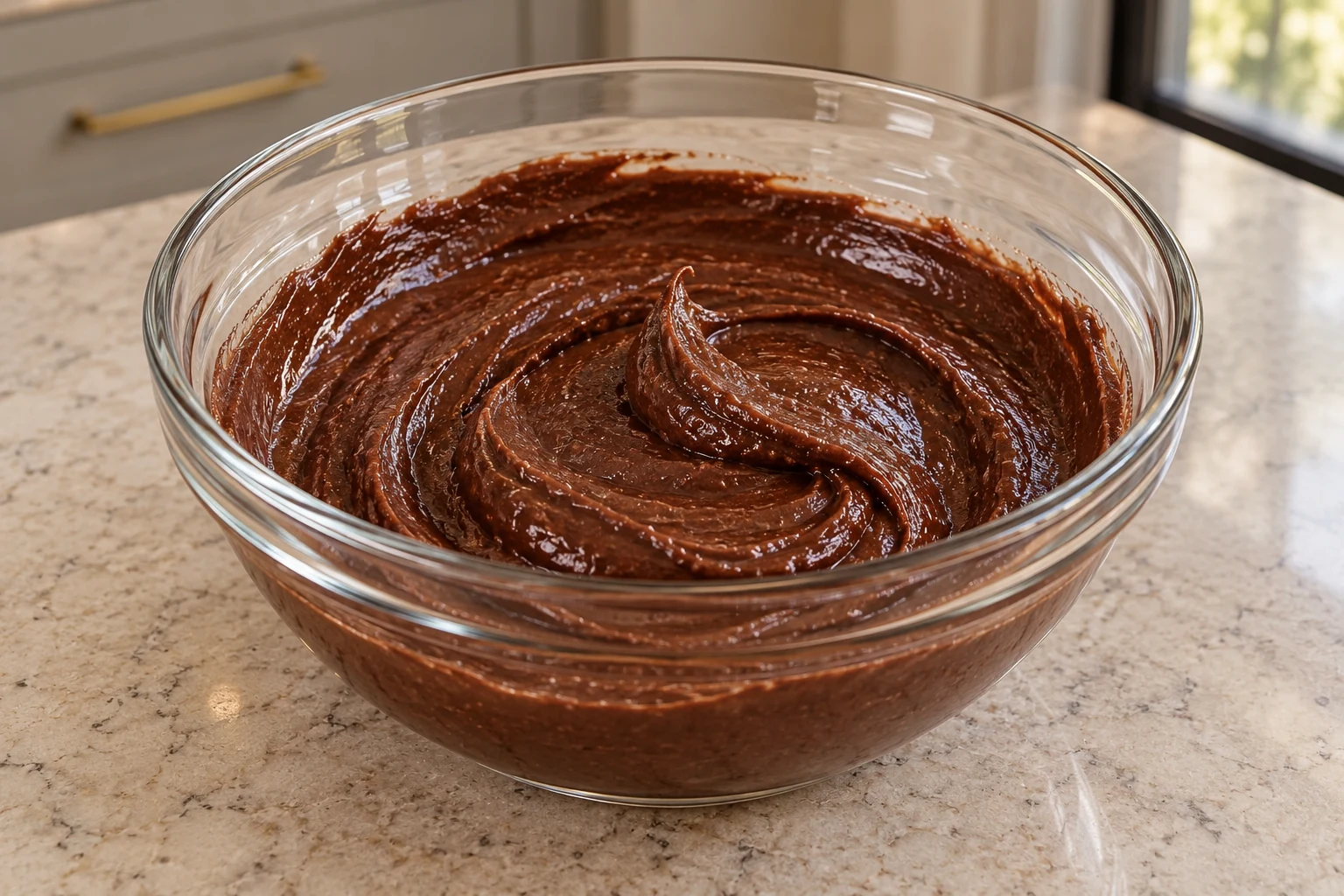
Put two tablespoons raw honey, two tablespoons softened qualifying butter, and two tablespoons pure organic cocoa in a small bowl. Stir and press the mixture against the side of the bowl until no dry cocoa pockets remain.
The finished mixture should look like thick chocolate syrup or a smooth soft paste. It should be uniformly dark brown without pale butter streaks, honey pools, or dusty cocoa on the surface.
3. Cool It Completely if You Used Heat
If gentle warming was needed to soften the honey or butter, leave the chocolate mixture at room temperature until it no longer feels warm against the side of the bowl. Stir it once or twice as it cools so the butter does not separate at the edge.
Do not rush this boundary. The mixture can be soft and fluid, but it cannot carry heat into the coconut cream.
4. Begin Whipping the Cold Coconut Cream
Put the cold coconut cream in the mixing bowl. Start the hand mixer on low speed so the dense cream loosens without throwing pieces out of the bowl. Move the beaters through the center and around the outer edge.
The cream will change from a solid mound to a smooth, thick base. Stop and scrape the bowl if a firm layer stays pressed against the side.
5. Add the Cool Chocolate Mixture
Add the completely cool honey-butter-cocoa mixture to the loosened coconut cream. Continue mixing on low until the dark streaks begin disappearing into the pale base.
Scrape the bottom and sides once. Chocolate trapped below the beaters can leave a pale top and a dark sticky layer underneath.
6. Whip Until Fluffy
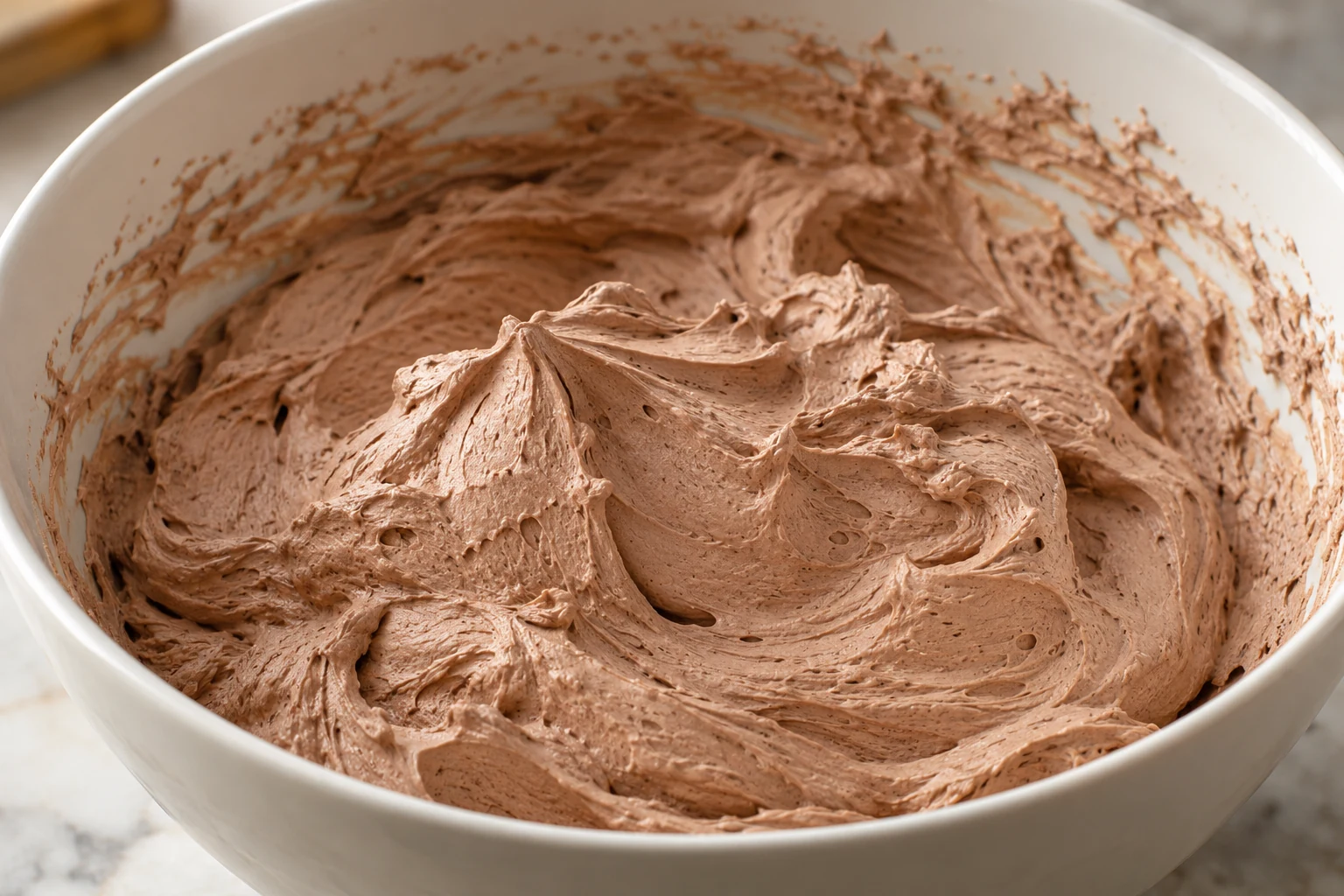
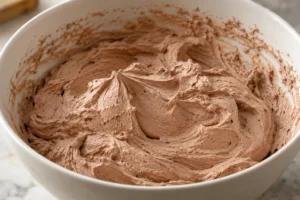
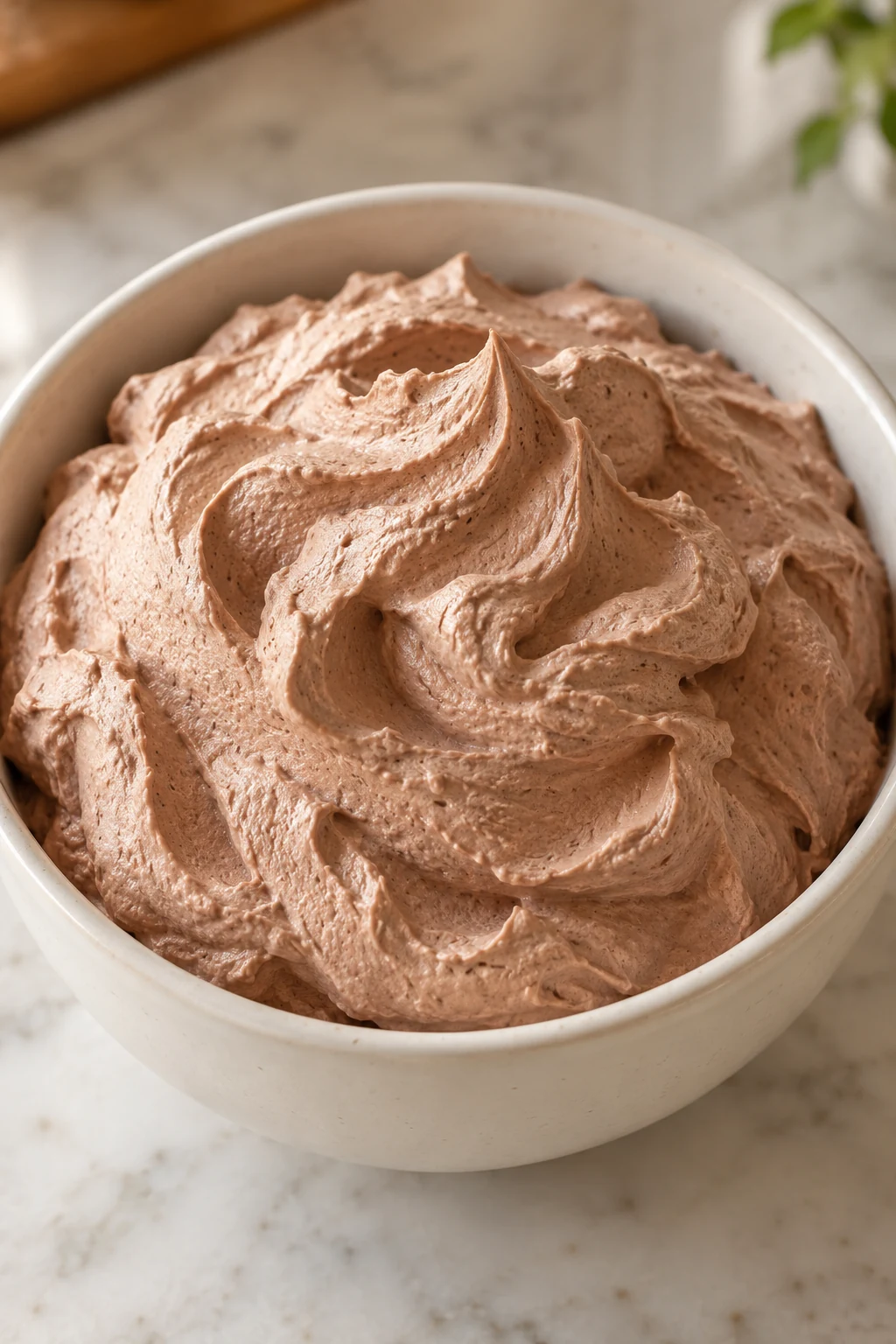
Increase the mixer speed and whip just until the topping becomes evenly chocolate-colored, lighter in texture, and visibly fluffy. The beaters should leave soft ridges that remain for several seconds, and a spoonful should sit in a soft mound instead of running flat.
Stop as soon as that texture appears. Extended beating can warm the bowl or push the coconut fat toward a grainy, separated texture.
7. Chill the Finished Topping
Transfer the topping to a clean covered glass container and refrigerate it. Chilling firms the coconut fat and helps the ridges and spooned mounds hold their shape.
Serve it cold. If it becomes very firm in the refrigerator, let the portion you need stand briefly and stir it gently rather than reheating the whole batch.
What the Finished Topping Should Look and Taste Like
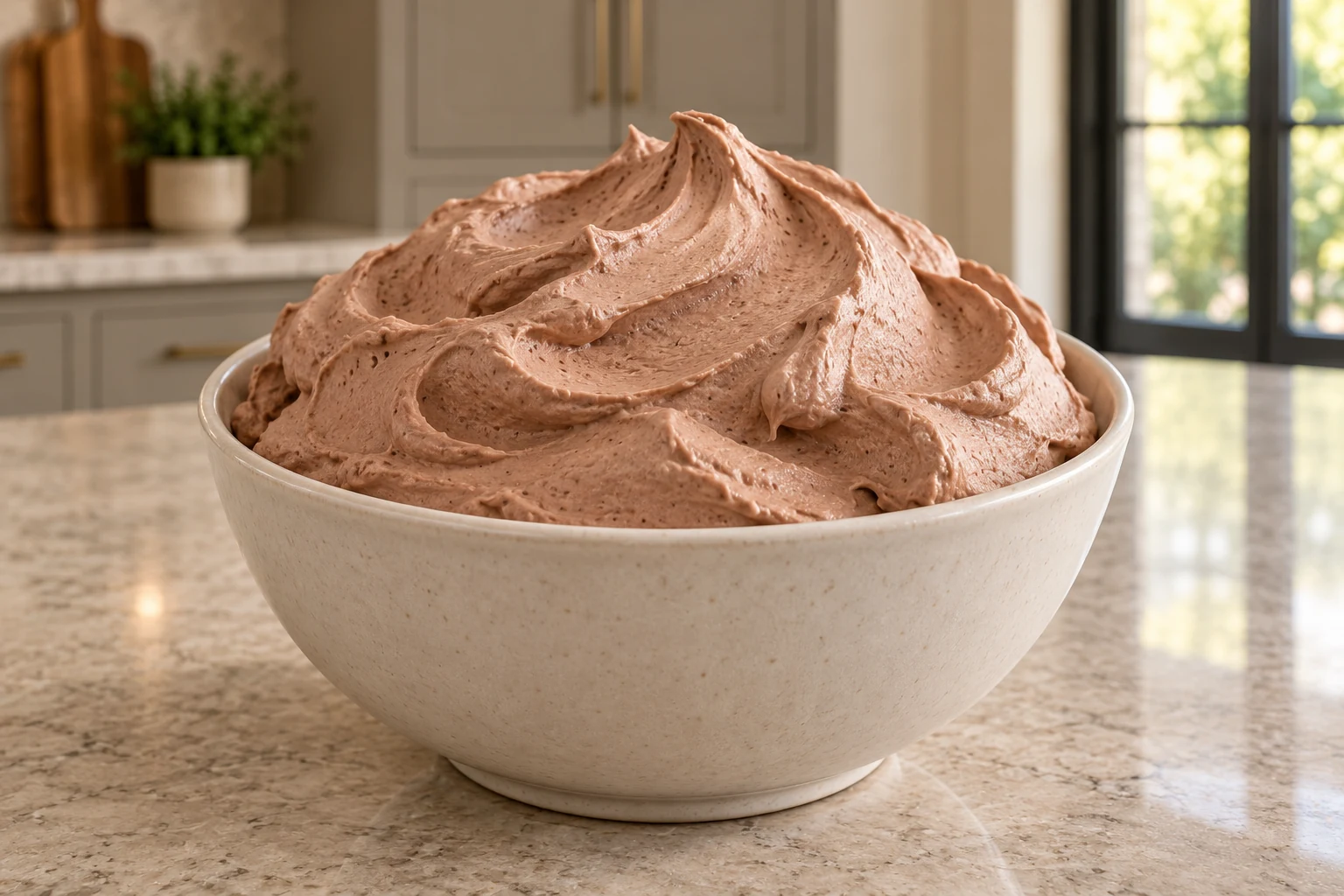
The finished topping should be a uniform milk-chocolate brown with no white butter streaks or dry cocoa specks. It is softer than dairy whipped cream stabilized with gelatin, but it should still hold a rounded spoonful while cold.
The first flavor is cocoa, followed by honey and the rich coconut-butter finish. It should taste lightly sweet and creamy rather than sugary. Graininess usually points to cold butter, undissolved cocoa, or overwhipping.
How to Fix Common Texture Problems
The Topping Is Thin
The coconut cream may have been too watery, the chocolate mixture may have been warm, or the bowl may have heated during prolonged mixing. Chill the mixture before deciding whether it has failed. Do not add starch, powdered sugar, commercial stabilizer, or more cocoa as an improvised thickener.
The Topping Has Butter Flecks
The butter was too cold to blend with the honey and cocoa. Let the topping soften slightly, then mix briefly on low. Avoid heating the finished coconut cream, because melting it solves the flecks by destroying the whipped texture.
The Topping Looks Grainy
The mixture may have been whipped past the fluffy stage or combined at mismatched temperatures. Stop mixing, chill it, and stir the portion gently before serving. A batch that has fully separated will not become reliably fluffy through more beating.
Serving Ideas
Spoon the chilled topping onto a small later-Full-GAPS dessert, fresh berries, or an open-faced cookie. The source method notes that a two-cookie sandwich can squeeze the soft filling out when bitten, so an open-faced serving is easier unless the assembled dessert is frozen firm.
For another occasional chocolate-coconut dessert, see Chocolate Coconut Fudge Bites for Later Full GAPS. For a dairy whipped topping with a different measured structure, use Stabilized Raw Whipped Cream With Honey.
Storage
Keep the finished topping covered in the refrigerator and serve it cold. Use a clean spoon each time so crumbs and moisture from another dessert do not enter the container.
The source formula says to chill the topping but does not establish a tested storage duration, so this post does not invent one. Make it for the dessert or serving window you have planned and discard it if the aroma, color, or texture changes unexpectedly.
Frequently Asked Questions
Can I Use Canned Coconut Milk?
No. This GAPS version uses thick homemade fresh-coconut cream. Canned coconut milk and sweetened cream of coconut are not the measured ingredient in this card.
Can I Use Ghee Instead of Butter?
Not as an automatic swap. Butter supplies the source formula’s texture and flavor. A ghee version would need its own measured method because the milk solids and handling are different.
Can I Leave Out the Cocoa?
That would produce a different topping. This exact formula balances two tablespoons cocoa with two tablespoons honey and two tablespoons butter.
Can I Add More Honey?
Extra honey adds liquid and can loosen the whipped cream. Keep the measured amount unless a separately tested variation establishes a different balance.
Why Must the Chocolate Mixture Be Cool?
Coconut cream holds its whipped texture when the fat is cold. Warm honey-butter-cocoa mixture melts that structure before the beaters can build it.
Is This an Introduction Diet Dessert?
No. Cocoa makes this an occasional later Full GAPS recipe after digestive symptoms have cleared.
Can I Make Cookie Sandwiches With It?
The soft topping can squeeze out between two cookies. Use it open-faced, or freeze an assembled sandwich until firm enough to hold before serving.
Chocolate Coconut Cream Whipped Topping Recipe
Chocolate Coconut Cream Whipped Topping for Later Full GAPS
Ingredients
Equipment
Method
- Measure the thick homemade fresh-coconut cream and keep it cold. It should hold a rounded mound on a spoon rather than splash or pour like milk.
- Put the raw honey, softened cultured butter, and cocoa in a small bowl. Stir and press until the mixture is uniformly dark brown and smooth, with no pale butter streaks, honey pools, or dry cocoa pockets.
- If gentle warming was needed to soften crystallized honey or firm butter, cool the chocolate mixture completely to room temperature. It may be soft and fluid but must not feel warm.
- Put the cold coconut cream in a cool dry mixing bowl. Mix on low until the dense cream loosens into a smooth thick base. Scrape the side if a firm layer remains.
- Add the completely cool chocolate mixture. Mix on low until the dark streaks begin disappearing, then scrape the bottom and sides.
- Increase the mixer speed and whip just until the topping is uniformly chocolate-colored and fluffy. Stop when the beaters leave soft ridges that remain for several seconds and a spoonful holds a soft mound.
- Transfer to a clean covered glass container and refrigerate. Serve cold. If very firm, let only the portion needed stand briefly and stir gently rather than heating the whole batch.
Notes
Tried this recipe?
Let us know how it was!Recommended Equipment
- Measuring cup and tablespoons
- Small glass or stainless-steel bowl for the chocolate mixture
- Flexible scraper
- Cool dry glass or stainless-steel mixing bowl
- Electric hand mixer with clean supported beaters
- Covered glass refrigerator container
More Naturally Sweetened GAPS Desserts
The planned GAPS Desserts Cookbook will organize occasional treats by ingredients, dairy route, texture, and preparation time so you can choose a dessert that fits the stage and components already in your kitchen. Find current resources and upcoming releases in the WFLI shop.

Leave a comment