

This chicken liver pâté is the kind of organ-meat recipe that works best when you already have a bone-in pork roast in your kitchen rhythm. The roast supplies three parts of the formula: rendered lard, tender fatty pieces, and a small amount of its concentrated cooking liquid. Those rich roast components soften the stronger flavor of one pound of chicken livers and help the chilled pâté set into a smooth, spreadable texture.
In our house, recipes that can be portioned ahead are easier to keep in rotation around homeschooling, work, and a full family schedule. This batch makes 15 tablespoons. You can chill it as one small dish for the table, or freeze measured spoonfuls so you can thaw only what you plan to eat.

What This Chicken Liver Pâté Is Like
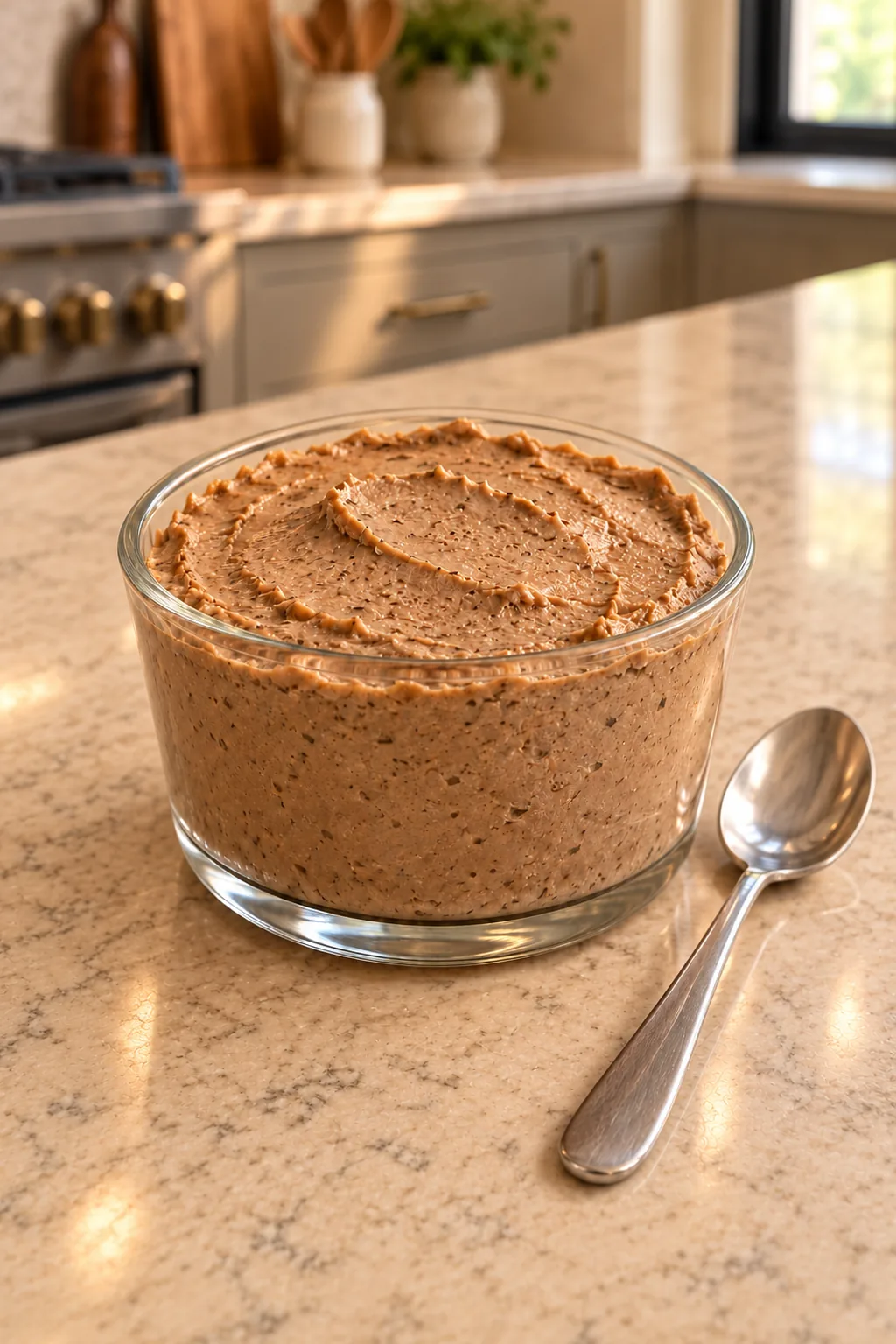
The finished pâté is savory and herb-forward, with a warm brown-taupe color and fine dark flecks from pepper and dried herbs. Basil, thyme, and sage lead the aroma; ginger, onion, and garlic sit quietly underneath them. The pork-roast fat rounds out the liver without turning the pâté into a butter-heavy mousse.
Warm from the blender, it has a soft pudding-like texture. After chilling, it becomes thicker and holds a rounded spoonful while remaining easy to spread. It should not be pink, loose, watery, grainy, or dry enough to crumble.
GAPS Stage
This recipe fits Full GAPS. Use fresh chicken livers, mineral salt, pure dried herbs and spices without starches or anti-caking blends, and lard, fatty pieces, and cooking liquid from a bone-in pork roast prepared with Full GAPS ingredients.
This is a Full GAPS pâté rather than an Introduction Diet recipe. The formula uses several dried seasonings and depends on a prepared roast. Keep the reserved roast cooking liquid named accurately: it is the liquid collected from that roast, not a separate meat stock or bone broth.
Ingredients
- 1 pound chicken livers
- 1 teaspoon mineral salt
- 1/2 teaspoon black pepper
- 1 teaspoon dried basil
- 1/4 teaspoon ground ginger
- 1/4 teaspoon pure onion powder
- 1/4 teaspoon pure garlic powder
- 1/2 teaspoon dried thyme
- 1/2 teaspoon dried sage
- 4 tablespoons lard from a Full GAPS-compatible bone-in pork roast
- 1/2 cup cooked fatty pieces from the same roast
- 1/2 cup reserved cooking liquid from the same roast
The roast components are part of this formula, not casual serving suggestions. Measure the lard, fatty pieces, and cooking liquid separately. The fatty pieces should be tender and small enough to move through the blender with the cooked liver.
Check the onion and garlic powder labels. They should contain only the named dried ingredient. If a jar includes starch, sugar, flavoring, or an anti-caking blend you do not use on GAPS, choose a pure version.
Recommended Equipment
- Le Creuset Signature 10.25-inch skillet in Artichaut
- Heat-safe spatula
- Measuring cups and spoons
- Ninja Professional Plus Kitchen System BN801 with two single-serve cups or one cup washed between batches
- Small silicone spatula
- One-cup glass storage dish
- Tablespoon measure and freezer-safe container for optional portions
The exact Artichaut skillet gives the liver enough surface area for the roast cooking liquid to reduce instead of steaming in a deep pot. The BN801 single-serve cup keeps each half-batch close to the blades. Use the registered cup and compatible blade assembly; there is no separate metal blending cup in this method.
How To Make Roast-Fat Chicken Liver Pâté
Combine The Liver, Roast Components, And Seasonings
Put the chicken livers, mineral salt, pepper, basil, ginger, onion powder, garlic powder, thyme, sage, lard, cooked fatty roast pieces, and reserved roast cooking liquid into the skillet. Spread the liver into one layer as much as the pan allows so the pieces cook evenly.
Cook Until The Liver Is Done And The Liquid Is Nearly Gone
Cook the mixture, turning the liver so every piece cooks through. At the endpoint, the livers should be brown throughout with no raw-looking center, and the fatty pork pieces should be tender and glossy. The cooking liquid should be almost gone: you may see a thin moist coating and a few tiny bubbling patches, but there should not be a pool in the skillet.
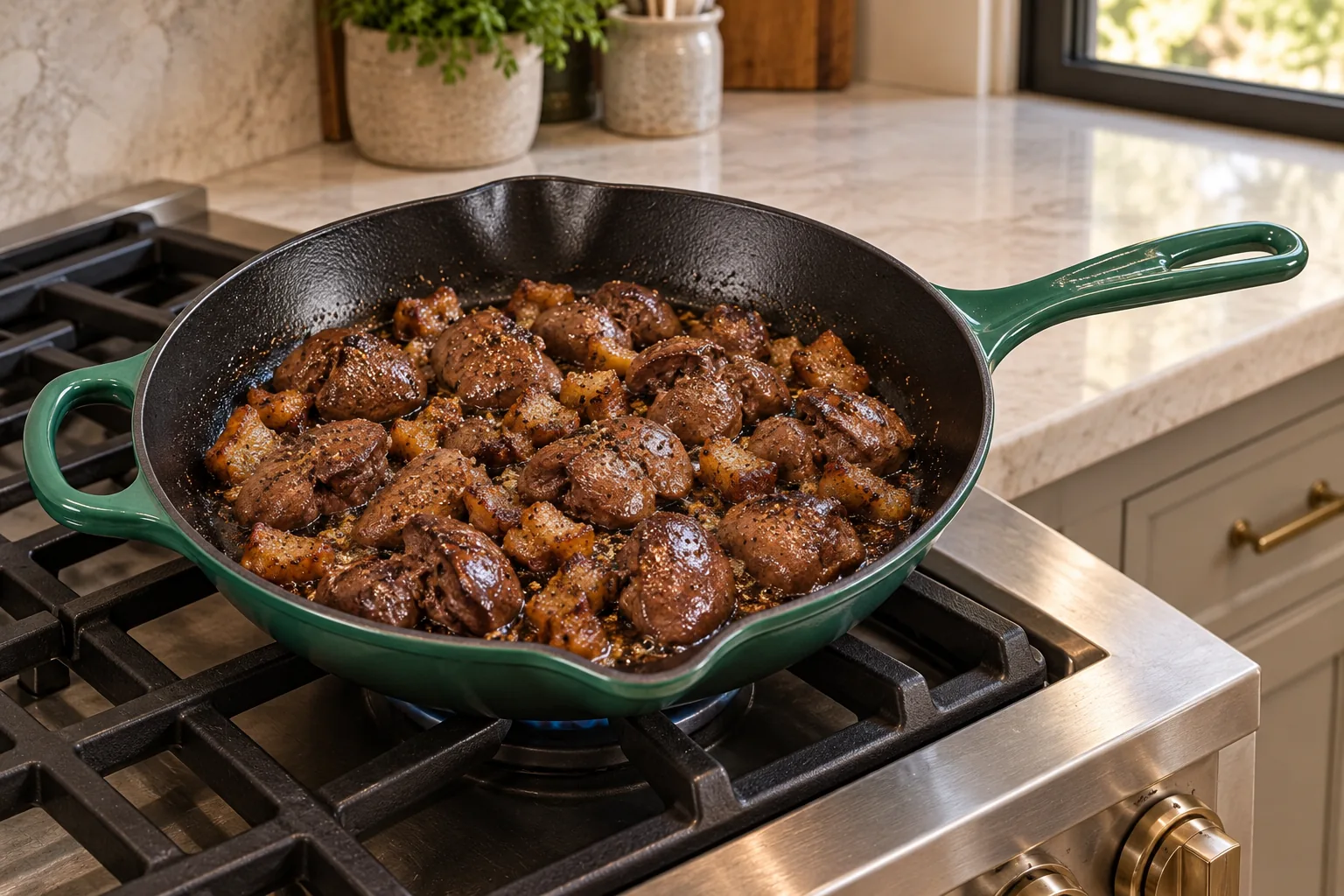
Do not keep cooking until the pan is dry. The small amount of moisture and lard left around the liver becomes part of the pâté and helps it blend.
Cool For 20 Minutes
Take the skillet off the heat and let the mixture cool for about 20 minutes. It should still be soft enough to blend, but it should no longer be actively bubbling or sending up strong steam.
Blend In Two Batches
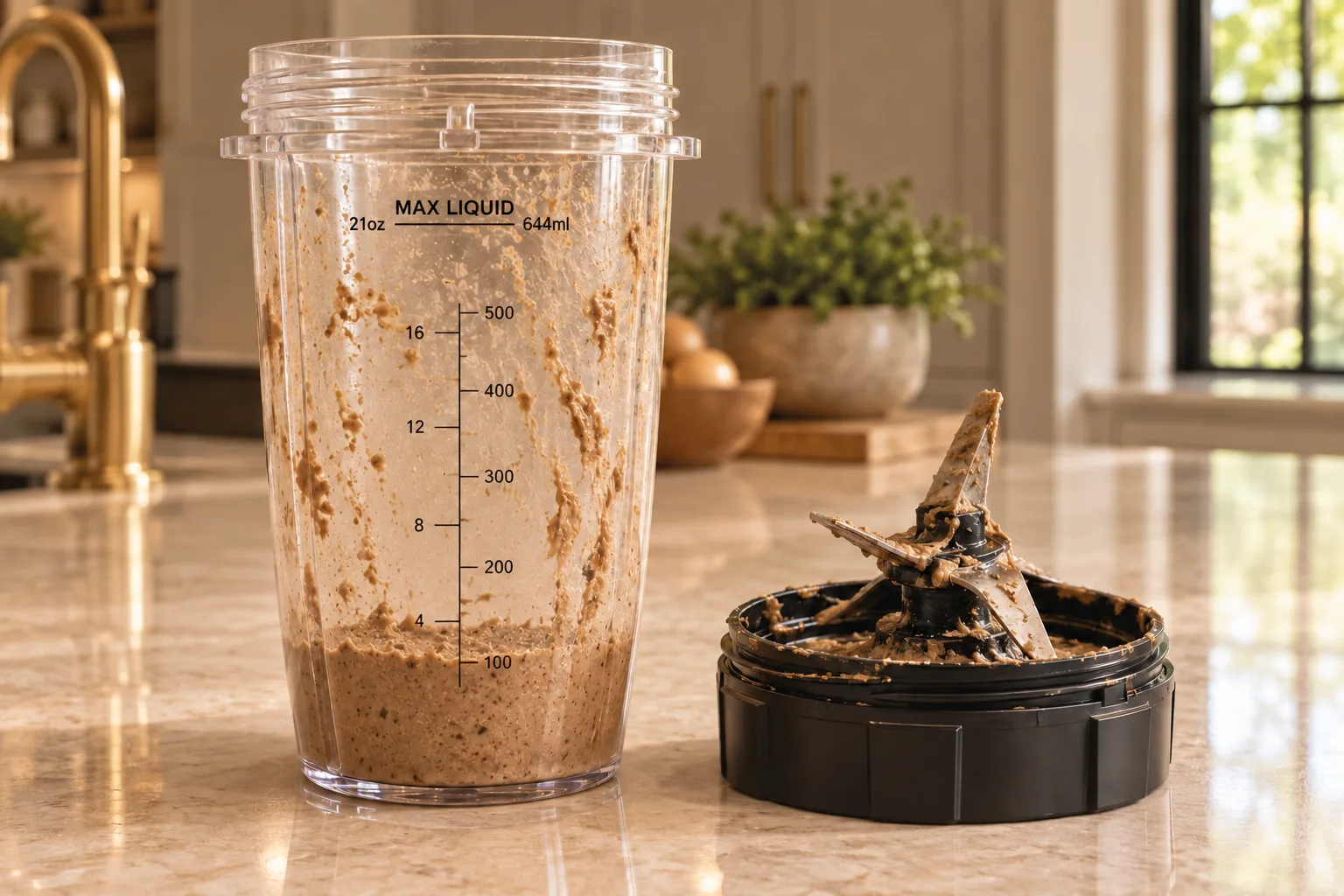
Transfer half of the cooled mixture to the exact Ninja BN801 single-serve cup. Secure the compatible blade assembly, invert the cup, and lock it onto the BN801 base. Blend until the liver, fatty pieces, and reduced cooking liquid become one uniform brown pâté with a pudding-like texture.
Return the cup upright before removing the blade. The cup walls and blade should show pâté residue after blending. Scrape out the first batch, then repeat with the second half using a clean second cup or the same cup and blade washed between batches.
Chill Until Set
Combine both blended batches in a one-cup glass dish, smooth the top, cover, and refrigerate until completely chilled. The pâté should thicken enough to hold a spoon mark without becoming firm or crumbly.
Chicken Liver Pâté With Roast Fat for Full GAPS
Ingredients
Equipment
Method
- Put the chicken livers, salt, pepper, basil, ginger, onion powder, garlic powder, thyme, sage, lard, cooked fatty roast pieces, and reserved roast cooking liquid into the skillet. Spread the liver into one layer as much as the pan allows.
- Cook, turning the liver so every piece cooks completely through. Stop when the livers are brown throughout and the cooking liquid is almost gone, with no pool left and only a thin moist coating and a few tiny bubbling patches.
- Remove the skillet from the heat and cool the mixture for about 20 minutes. It should no longer be actively bubbling or sending up strong steam.
- Transfer half to the Ninja BN801 single-serve cup. Secure the compatible blade assembly, invert and lock the cup onto the base, and blend until uniform and pudding-like. Return the cup upright before opening. Scrape out the first batch and repeat with the second half using a clean second cup or the same cup and blade washed between batches.
- Combine both blended batches in a one-cup glass dish, smooth the top, cover, and refrigerate until completely chilled and thick enough to hold a spoon mark.
- Serve from the dish or measure into 15 one-tablespoon portions for freezing.
Notes
Tried this recipe?
Let us know how it was!Why The Roast Components Matter
The lard carries the herbs and gives the chilled pâté a softer texture. The cooked fatty pieces add both body and mild pork flavor. The reserved cooking liquid loosens the warm mixture just enough to blend, then concentrates as it cooks down.
All three should come from the same compatible bone-in pork roast. Calling the last ingredient “roast cooking liquid” prevents confusion with GAPS chicken meat stock, which is its own measured preparation and is not used here.
How To Portion And Serve It
For a shared plate, chill the whole batch in one small glass dish and serve it by the spoonful with Full GAPS vegetables or cooked meat that fit the meal. The pâté is dense and rich, so a little spreads a long way.
For individual portions, measure the chilled pâté by the tablespoon. The source batch makes 15 tablespoons. Set the portions in a freezer-safe container so they remain separate, then thaw only the amount you intend to use.
Keep the serving texture in mind when planning the rest of the plate. This version is thick after chilling, so it works best with foods that can carry a small spoonful rather than as a pourable sauce. If you freeze portions, flatten each tablespoon slightly before freezing so it thaws evenly in the refrigerator. Once thawed, stir it gently instead of reheating it; the lard is meant to remain part of the cool, spreadable texture.
Storage
Cover the pâté and refrigerate it promptly after blending and chilling. The source does not give a refrigerator day count, so this recipe does not invent one. If you will not use the batch promptly, freeze measured tablespoon portions.
Thaw frozen portions in the refrigerator. A thawed portion may feel a little firmer than the freshly blended pâté, but it should still be smooth enough to spread. Discard it if it develops an off odor or an unexpected surface change.
Troubleshooting
The Skillet Still Has A Pool Of Liquid
Keep cooking before you blend. The liquid should reduce to a thin coating with only tiny bubbling patches. A visible pool will make the pâté looser than the source formula.
The Mixture Is Dry In The Skillet
Stop when the liquid is almost gone rather than waiting for the pan to become dry. Scrape the glossy lard and reduced cooking juices into the blender with the liver because they belong in the measured batch.
The Pâté Is Grainy
Blend each half until the liver and fatty pieces disappear into one pudding-like mixture. Scrape down the cup, secure the blade again, and blend briefly if you still see separate pieces.
The Pâté Is Too Soft
Check it only after it is completely chilled. The warm mixture is supposed to look like pudding; the lard firms as the pâté cools.
Frequently Asked Questions
Is The Reserved Roast Liquid Meat Stock?
No. It is the cooking liquid collected from the same bone-in pork roast that supplies the lard and fatty pieces. This recipe does not substitute meat stock or bone broth for it.
Can I Use Beef Liver?
Beef liver would make a different formula with a different flavor and texture. Keep this post for the measured chicken-liver version. For another established route, use the separate Rosemary Liver Pâté recipe instead of silently changing this one.
Why Does This Recipe Cook The Liver Completely?
That is the endpoint of this exact skillet formula. Cook the pieces through and reduce the liquid almost completely before cooling and blending. Other pâté recipes may use different liver types, fats, and endpoints, so their directions should stay in their own posts.
Why Blend In Two Batches?
Two batches keep the liver and fatty roast pieces close to the BN801 single-serve blades and make it easier to see when each half has reached the same pudding-like texture. Combine the two smooth batches before chilling.
Can I Freeze The Pâté?
Yes. Measure it into one-tablespoon portions, freeze them separately, and thaw only what you plan to use. The source batch yields 15 tablespoon portions.
Build A Full GAPS Kitchen That Works
The planned GAPS Food List and Swaps Guide is designed to help you sort ingredients such as organ meats, animal fats, seasonings, and homemade components without relying on commercial shortcuts. You can find it with current and upcoming WFLI resources in the shop.

Leave a comment