

This spicy chicken liver pâté is bold, garlicky, and intentionally hot. One pound of chicken livers cooks with onion and eight cloves of fresh garlic, then red chile flakes, mild ground red chile, garlic powder, and mineral salt are added before the entire skillet is processed smooth.
Liver can be a difficult food when the flavor, texture, or preparation itself feels unfamiliar. A smooth pâté changes the experience: there are no visible liver pieces at the table, the garlic and chile lead the aroma, and the finished texture can be spread in a thin layer rather than eaten in a large bite.
This version stays faithful to that purpose. It does not soften the formula with cream, mushrooms, roast liquid, or a separate soak. The measured spice profile and the complete skillet contents define the recipe. Nothing is drained away after cooking, and nothing is added in the processor simply to make the finished spread look lighter or softer.
That makes it different from a rosemary pâté, a cultured-cream pâté, or a roast-fat pâté even though all four use liver. The ingredients that soften the flavor and create the texture are not interchangeable. Keeping each formula separate makes the links useful when someone is deciding which approach sounds manageable.
Why This Pâté Works
Onion and eight fresh garlic cloves build a savory base before the livers enter the skillet. Two tablespoons of qualifying fat carry the aromatics and keep the pan contents moist enough to process.
Red chile flakes provide direct heat, while mild ground red chile spreads color and warmth through the pâté. Garlic powder reinforces the fresh garlic without adding another wet ingredient. Processing the onions, garlic, seasonings, fat, and liver together produces one smooth spread instead of dry liver suspended in a separate mixture.
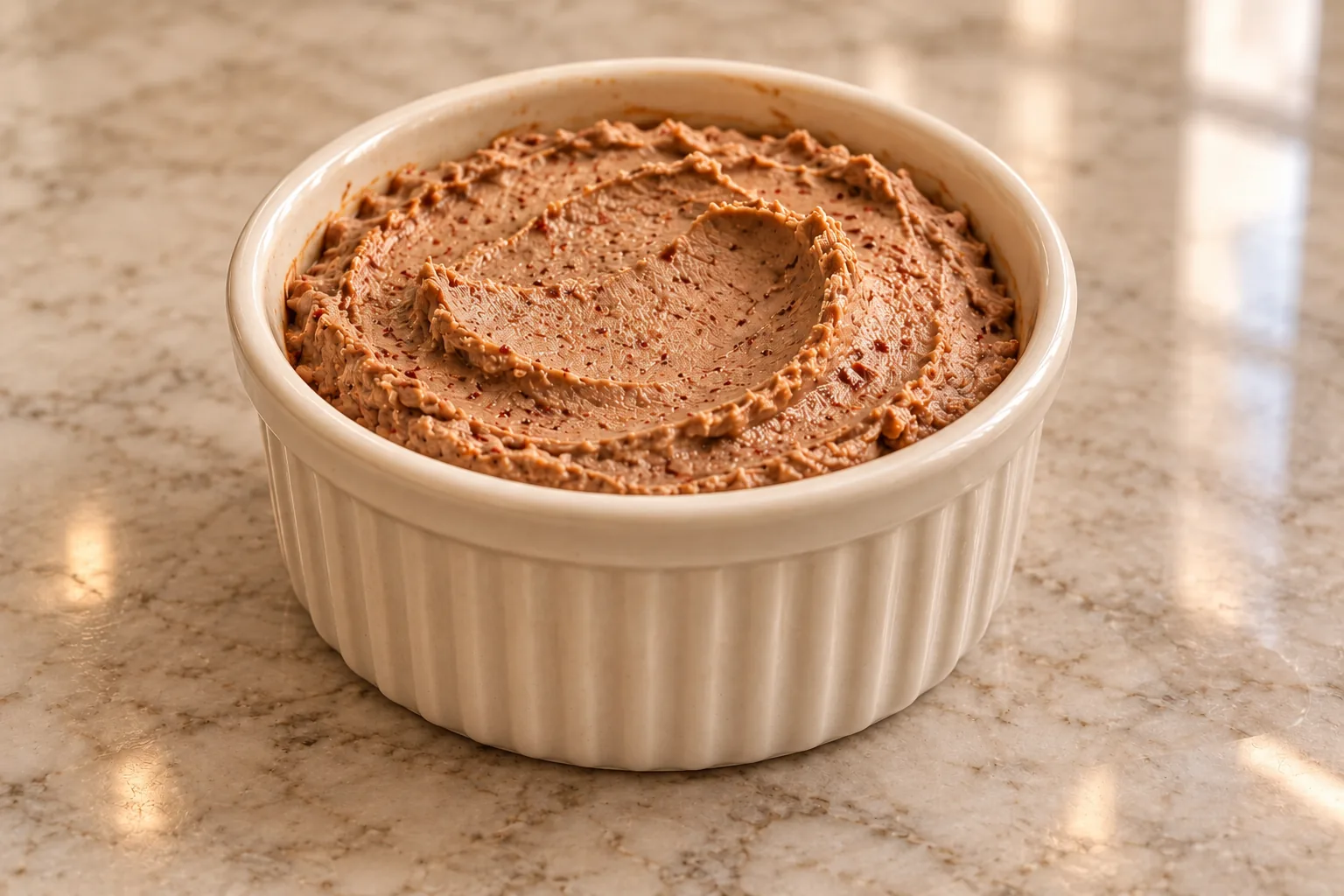
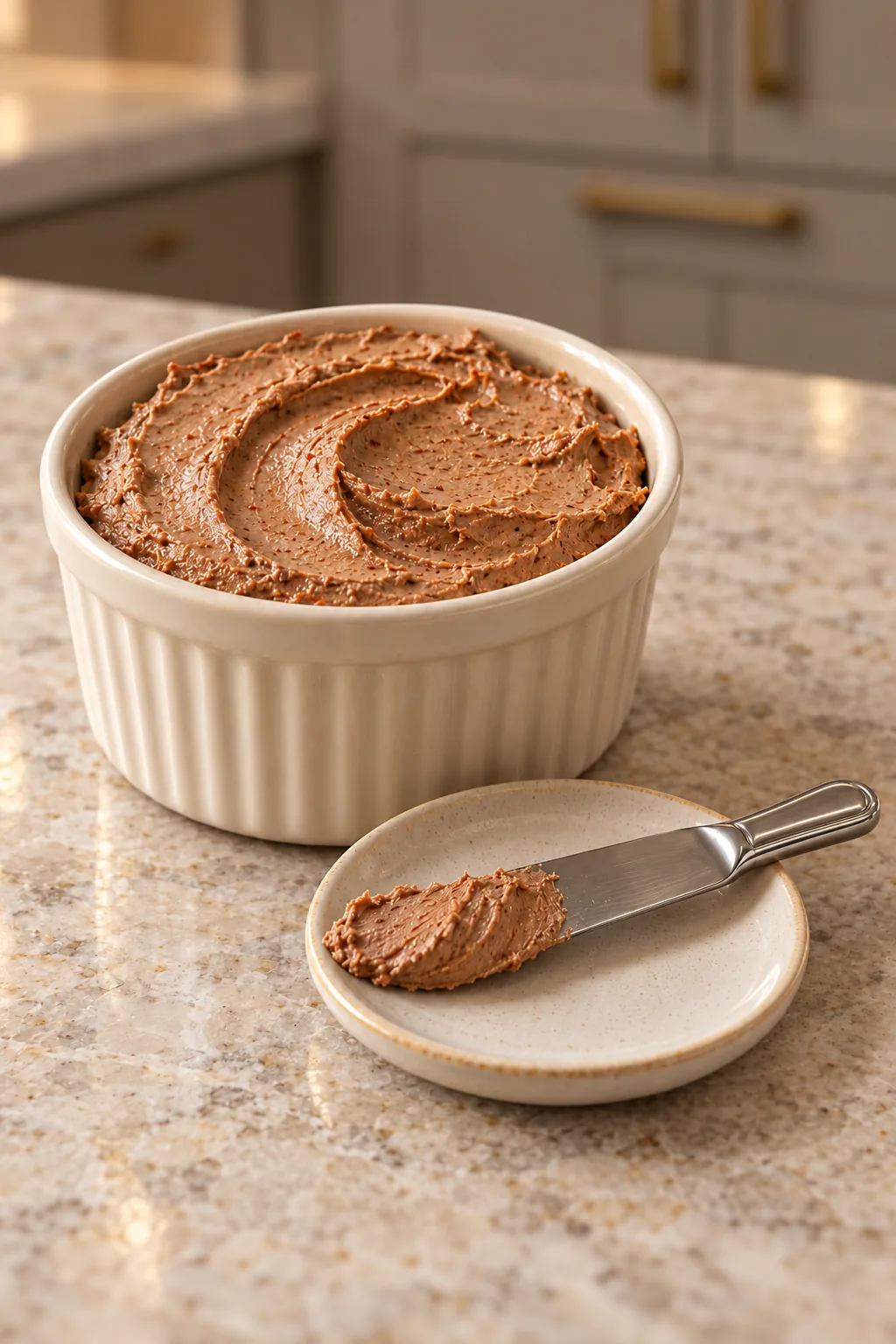
When fully processed and cooled, the finished spread should be smooth enough for easy serving and to hold a broad spoon swirl without looking whipped or airy. It remains a substantial pâté, not a dip thinned with dairy or broth. Small red flecks may remain visible, but there should not be pieces of onion, garlic, or liver.
Where This Fits On GAPS
This is a Full GAPS recipe made with fresh chicken livers, a qualifying cooking fat, onion, garlic, and pure single-ingredient seasonings. Check chile flakes, ground chile, and garlic powder for starches, sugar, anti-caking blends, or other additives.
The formula is spicy. It is better suited to someone who already tolerates these ingredients than to an early Intro meal. Keep the measured spice blend intact and serve a smaller amount when you want less heat.
The source allows coconut oil, ghee, butter, or another appropriate fat. This card uses homemade ghee or another qualifying fat as one measured two-tablespoon choice. Do not combine several fats and do not pour in an unmeasured amount to soften the processed pâté.
Prepare The Aromatic Base
Chop at least one-half onion and eight garlic cloves before heating the skillet. The source allows more onion if desired, but the eight garlic cloves and four measured dry seasonings remain fixed.
Heat two tablespoons homemade ghee or another qualifying source fat in a 10.25-inch Le Creuset Artichaut skillet over medium heat. Add the onion and sauté for three minutes. It should begin softening and turning translucent without developing dark burned edges.
Add the chopped garlic and cook for two minutes, stirring frequently. Watch the smallest pieces. Garlic is ready when it smells rounded and savory; scorched garlic makes the entire finished batch bitter.
Keep the heat steady rather than rushing the aromatics. The onion should remain moist, and the garlic should be surrounded by fat. If either begins catching on the skillet, lower the heat before the livers are added instead of trying to hide a burnt flavor with more chile.
Cook The Livers And Add The Chile
Rinse and drain one pound of chicken livers. Add them whole to the skillet without a separate soaking step. Let them cook with the onion, garlic, and fat for about five minutes before adding the seasonings.
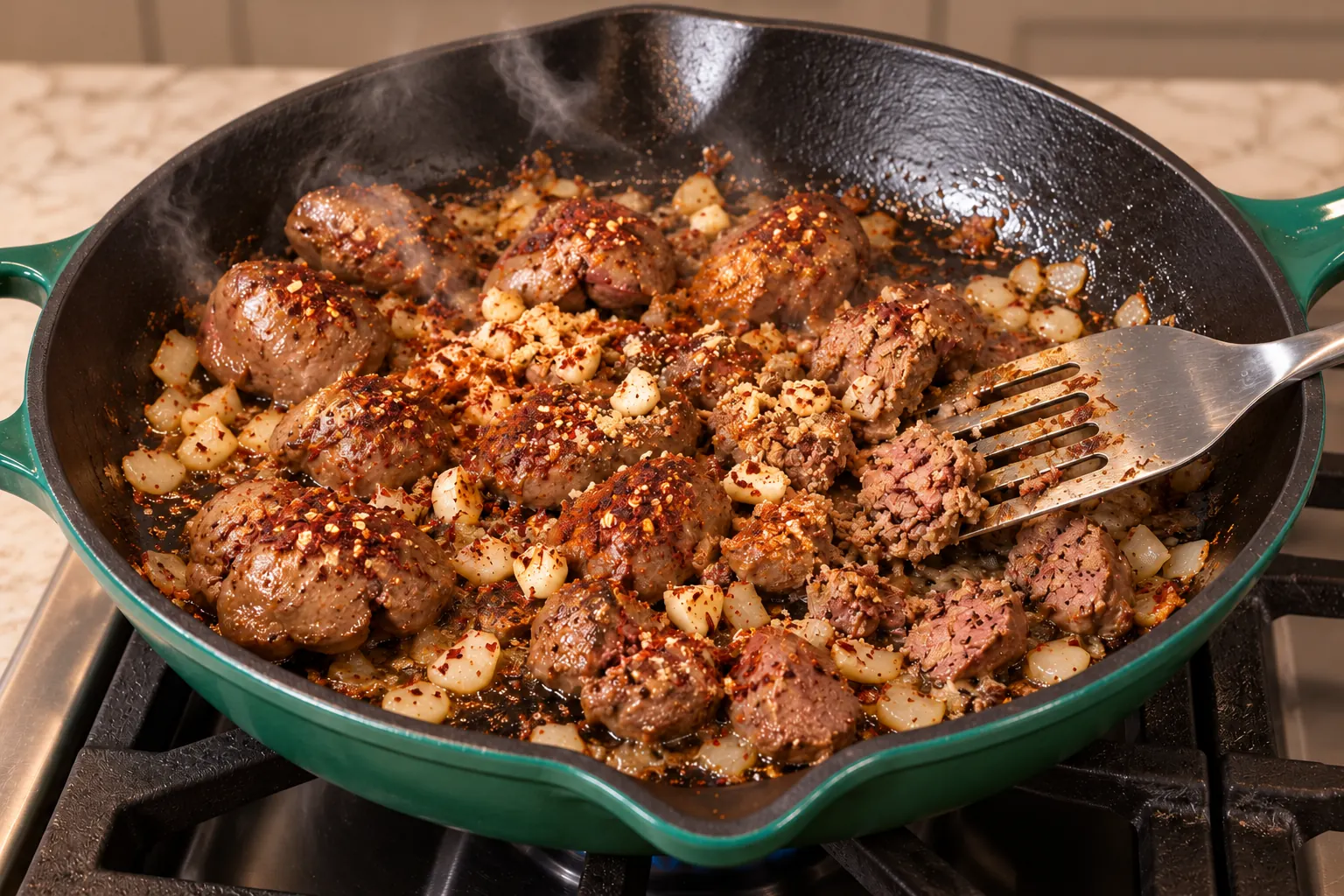
Add one teaspoon each red chile flakes, mild ground red chile, pure garlic powder, and mineral salt. Continue cooking. Chop and mash the livers in the pan so large pieces open and finish evenly.
Follow the source’s own cue: cook until the livers look done, using the chopped pieces to check the centers. This recipe does not import a separate temperature rule or a different author’s preferred pinkness.
The pan should remain moist with fat and cooking juices, not dry and scorched. Those complete pan contents belong in the processor because they carry the onion, garlic, salt, and chile into the final texture.
Use the spatula to break the largest livers into several pieces as cooking continues. The cut surfaces give you the source’s visual check and expose thick centers to the pan. Work deliberately so the onion and garlic stay mixed through the liver rather than pushed into one dry corner.
The aroma at this stage is strong: cooked liver, garlic, onion, and red chile. Steam should rise from moist pan juices. A scorched, dry smell means the pan needs attention before processing.
Process Until Completely Smooth
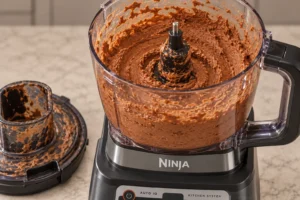
Transfer everything from the skillet to the Ninja BN801 64-ounce food-processor bowl. Use the processor configuration rather than the blender pitcher or single-serve cup. Keep the appliance at its real size and lock the correct blade and lid in place.
Process until no liver, onion, or garlic pieces remain. Stop and scrape only as needed, then process again. The finished pâté should move as one thick smooth mass and leave spiral ridges along the bowl.
Load the processor while the pan contents are still warm enough to move easily but no longer spitting from the skillet. Scrape every softened onion and garlic piece into the bowl. The processor cannot correct missing measured fat or seasonings after part of the pan has been left behind.
Pulse first to distribute the heavy pieces, then run the processor until the texture becomes even. Stop the machine before scraping. Secure the lid again before continuing; do not reach into the bowl around the blade.
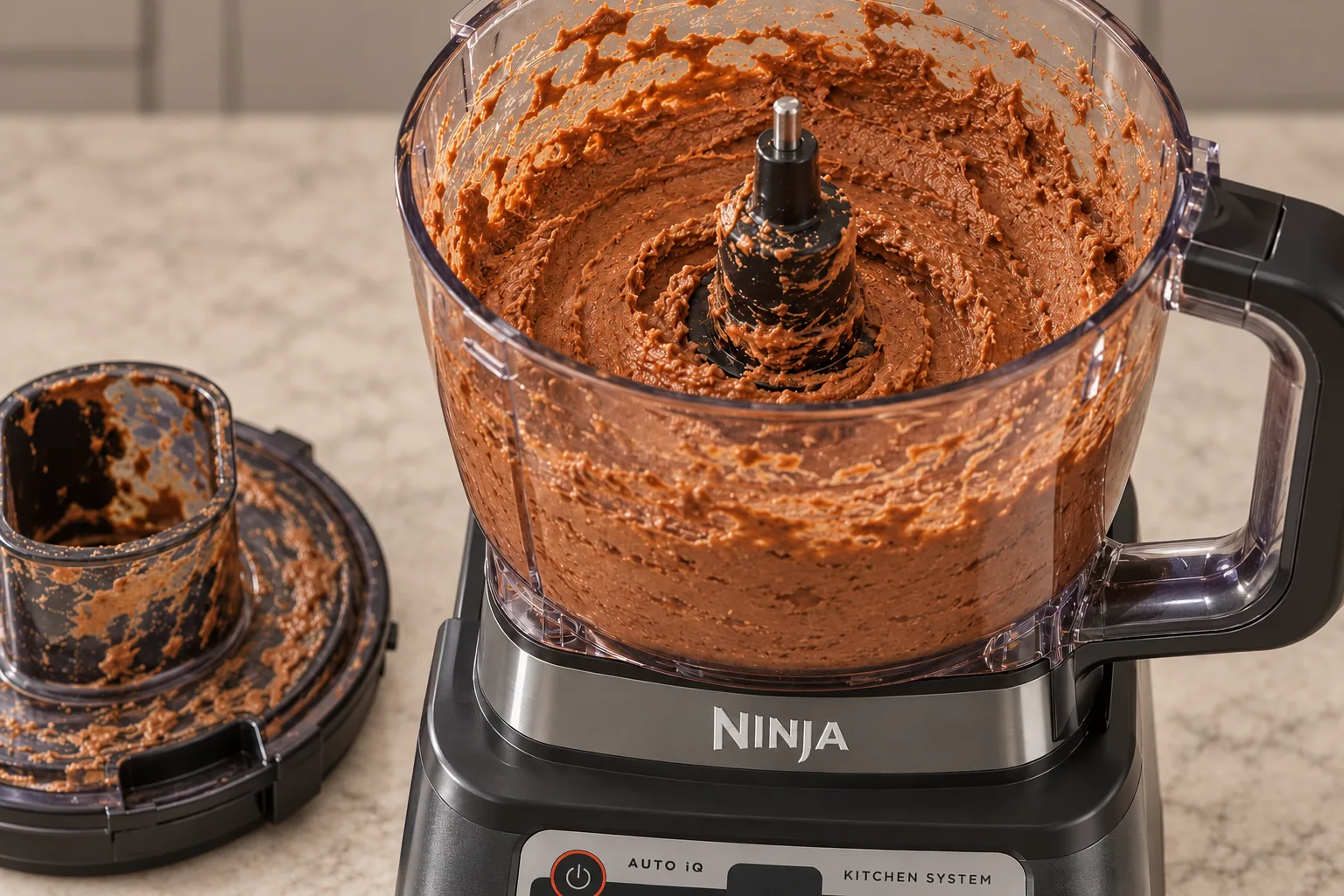
After processing, the blade, central shaft, and bowl walls should all carry a coating of pâté. A clean blade would mean the photographed or observed step happened before processing rather than after it.
Cool Before Serving
Transfer the smooth pâté to a clean glass or ceramic container and let it cool. The texture firms as it chills, and the cooled surface should hold its spoon-made ridges cleanly. Spread a small amount first so you can judge the heat level without committing to a large serving.
The source suggests apple slices as a surprisingly good serving option. Their crisp texture and sweetness contrast with the garlic and chile without adding another preparation to the pâté itself.
You can also serve the pâté as a small part of a larger Full GAPS plate with tolerated raw vegetables or another accepted homemade vehicle. Keep the accompaniments separate from the card so they do not become unmeasured pâté ingredients.
Storage And Freezing
Cover and refrigerate the cooled pâté. The source directs using it within about five days. Keep a clean serving utensil with each use and return the container to the refrigerator promptly.
Freeze excess in smaller covered portions so you can thaw only what you need. Thaw in the refrigerator. Stir the thawed pâté if a little fat separates, and check its aroma and surface before serving.
Label frozen portions with the preparation date so they are easy to rotate. Freeze the pâté after it has cooled rather than leaving the full batch at room temperature. The source gives refrigerator guidance and permits freezing but does not establish a fixed freezer duration, so this article does not invent one.
Frequently Asked Questions
Is This Pâté Very Spicy?
Yes. The source describes it as hot. It uses one teaspoon red chile flakes plus one teaspoon mild ground red chile. Serve a small portion if you are sensitive to heat.
Can I Add Cream?
No cream belongs in this formula. A cultured-cream pâté is a separate recipe with its own measurements and method.
Should I Soak The Livers?
No separate soaking step appears in this source. Rinse, drain, and add the livers whole after the onion and garlic sequence.
Can I Use A Blender?
This card uses the registered Ninja BN801 food-processor bowl for the thick one-pound batch. Do not substitute an invented cup or undersized appliance in the method or photographs.
What If The Pâté Is Grainy?
Return it to the processor, scrape the coated walls toward the blade, and process until the mixture is even. Include the full skillet contents so the measured fat and cooking juices remain in the batch.
Can I Reduce The Garlic?
This formula is built around eight fresh cloves plus garlic powder. Reducing either would create a different flavor balance, so keep the measured garlic and choose another pâté formula when you want something milder.
Why Process The Onion And Garlic Too?
They are part of the complete skillet mixture and help distribute flavor and moisture. Leaving them behind changes both the texture and the measured recipe.
Recommended Equipment
- 10.25-inch Le Creuset Artichaut skillet
- Stainless spatula
- Ninja Professional Plus Kitchen System BN801 with 64-ounce processor bowl
- Cutting board and sharp knife
- Covered glass storage containers
Spicy Chicken Liver Pâté for Full GAPS
Ingredients
Equipment
Method
- Heat the ghee or other qualifying fat in a 10.25-inch Le Creuset Artichaut skillet over medium heat. Add the chopped onion and sauté for 3 minutes.
- Add the chopped fresh garlic and sauté for 2 minutes, stirring frequently so the garlic softens without scorching.
- Add the rinsed and drained chicken livers whole. Cook for about 5 minutes, then add the chile flakes, ground red chile, garlic powder, and mineral salt.
- Continue cooking until the livers look done. Chop and mash them in the skillet so the pieces finish evenly, preserving the source’s own doneness cues rather than adding a new temperature rule.
- Transfer the complete skillet contents to the Ninja BN801 food-processor bowl. Process until completely smooth, scraping the coated bowl only as needed. Cool before serving.
Notes
Tried this recipe?
Let us know how it was!More Ways To Prepare Liver
For a milder fat-forward variation, see Chicken Liver Pâté With Roast Fat. Rosemary Liver Pâté With Cultured Crème Fraîche is another distinct formula. The planned WFLI organ-meat collection will bring these approaches together; watch the WFLI shop for its release.

Leave a comment