

The GAPS detoxification chapter asks readers to look at everyday exposure alongside food. Campbell-McBride names air pollution, agricultural chemicals, household materials, personal-care products, and other substances encountered in daily life. Her practical starting point is to reduce avoidable exposure while continuing the nutritional protocol.[1]
That gives you a useful question to work with: what is actually present in your routine? It is more useful than assuming that every room, product, or symptom has the same explanation.
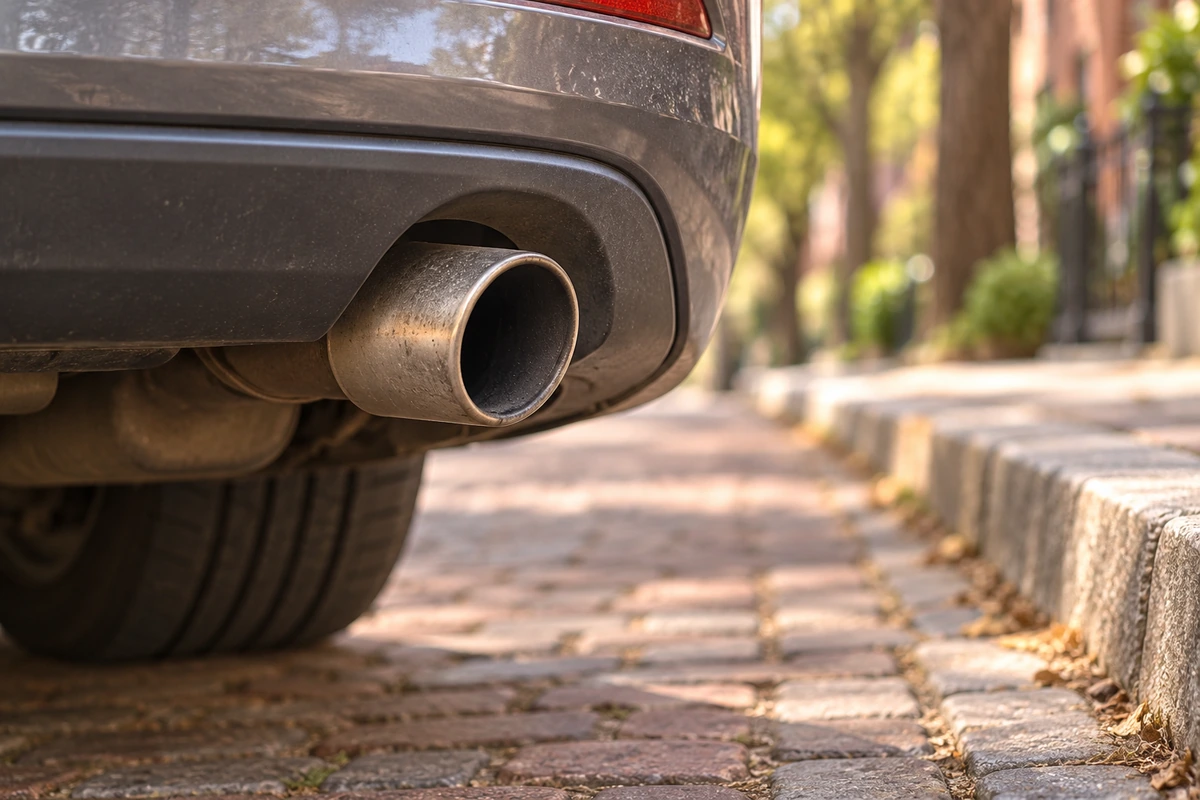
The Exposures the Book Names
| Area | Examples Discussed in the Chapter |
|---|---|
| Outdoor air | Vehicle exhaust and industrial emissions. |
| Food and agriculture | Pesticides, herbicides, animal-production drugs, and processed-food ingredients. |
| Buildings and interiors | Paints, insulation, furnishings, carpets, cleaners, and fire retardants. |
| Products used on the body | Cosmetics, toiletries, fragrances, hair products, and dental products. |
| Other concerns | Prescription medicines, alcohol, tobacco, and electromagnetic exposure from devices. |
This is a summary of the categories in the book, not a finding that every example contains the same substance or presents the same risk. Dose, route, duration, and the particular chemical matter. A product name or a smell alone cannot measure someone’s exposure.[1][2][3]
What the Book Means by Toxic Load
Campbell-McBride describes the body’s processing work through a liver-centered framework with activity throughout the body. She argues that nutritional deficiencies and disturbed digestion leave less capacity for handling exposure. Her “backlog” analogy describes substances being stored when that work cannot keep up.[1]
Some chemicals can persist or accumulate, but storage and elimination differ between substances. Detecting a chemical in blood or urine shows exposure; it does not, by itself, diagnose disease or prove the cause of a symptom. That distinction matters when reading the book’s broad statements about positive toxin tests.[3]
The chapter also puts the bowel at the center of its explanation and describes the GAPS diet as the main response. That is the author’s account of the protocol, not a conclusion that every reader has the same deficiency, toxic-metal burden, or illness.[1]
Indoor Sources You Can Investigate
EPA identifies building materials, furnishings, combustion sources, cleaning products, and other indoor sources as relevant to air quality. It emphasizes controlling identifiable sources and providing appropriate ventilation. That supports a practical review of products and activities without claiming that an entire home can be made toxin-free.[2]
- Look at products used frequently, not just items that sound unfamiliar.
- Keep the product name and ingredient or material information when you have it.
- Notice recent changes such as painting, new furniture, fragranced products, or a different cleaning routine.
- Use water testing or a utility report when the question concerns drinking water, rather than judging by taste alone.
The household guide works through water, dishes, cleaning, laundry, and air. The personal-care guide looks at products applied directly to the body.
Wireless Devices Are a Separate Exposure Question
The book includes electromagnetic exposure among its concerns and makes strong claims about disease. Radiofrequency exposure from phones, power-frequency fields, and ionizing radiation are different exposures. NCI’s review does not support treating ordinary household non-ionizing exposure as a proven cause of the book’s entire disease list.[1][4]
Keep a concern specific enough to investigate. “Which device, at what distance, for how long?” is a clearer question than assuming every electronic object creates the same risk. This article does not recommend buying an unverified protective device or moving house on the basis of an unmeasured exposure.
What Changed in Our House
Our changes were ordinary household ones. We changed laundry detergent, removed fabric softener, and rewashed clothes and sheets. We made our own laundry and dishwasher detergents, along with lotions and balms, and used a Berkey water filter.
I can describe those choices without claiming that they measured or removed a particular chemical from our bodies. For our kitchen equipment, changes came later as money allowed. That is different from promising a complete home replacement before a family can begin GAPS.
Keep Symptoms and Exposure Questions Distinct
The book attributes tiredness after visits to hospitals or shopping centers to toxic exposure. Feeling tired after a visit does not identify a chemical or establish poisoning. Needed medical care should not be avoided on that basis. If you suspect a particular exposure, record the circumstances so the question can be assessed rather than assumed.
Start With the Part You Can Review
The Low-Tox GAPS Home is listed in my shop. The Low-Tox Home Swap Guide is another option if you want a household reference to keep beside your notes.
Your Next Step
Choose one identifiable source or routine, then continue with the household guide. Keep the exact product information and the date of any change so you have something useful to compare.
References
- Campbell-McBride, Natasha. Gut and Physiology Syndrome (2020), “Detoxification for People with Gut and Physiology Syndrome,” opening framework.
- Environmental Protection Agency. The Inside Story: A Guide to Indoor Air Quality.
- Centers for Disease Control and Prevention. Biomonitoring Study Guidance.
- National Cancer Institute. Electromagnetic Fields and Cancer.

Leave a comment