

This boneless leg of lamb roast uses a dry rub of sea salt, rosemary, ginger, and optional garlic, then roasts at 400°F until the center reaches the source doneness you choose. A tied 2½-pound half leg serves about four; the full 5-pound branch serves about eight.
The hands-on work is short, but the roast needs a 45-to-60-minute room-temperature rest before the oven and a full 20-minute rest afterward. Those quiet intervals are what make the meal easier to time around the rest of dinner.
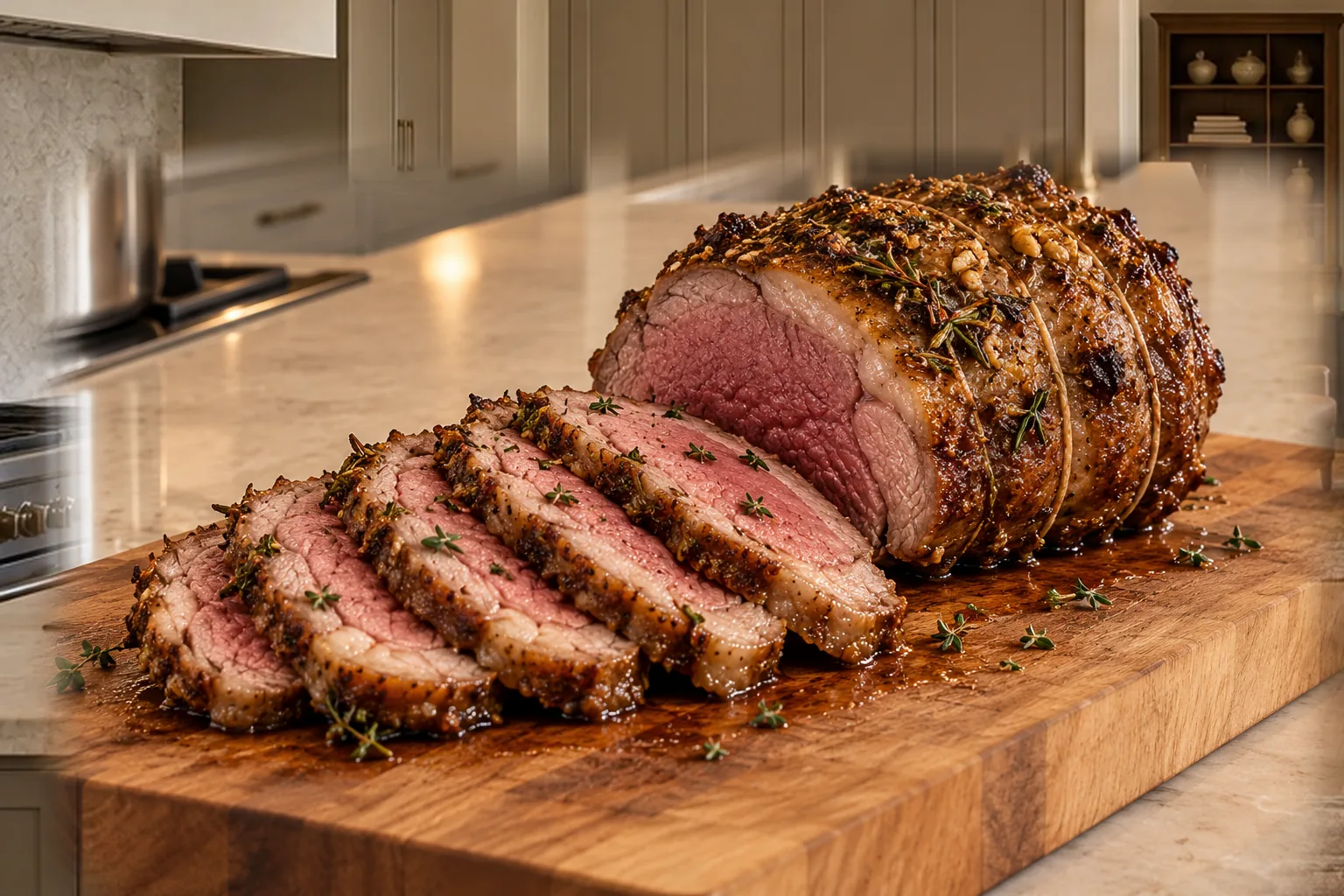
A Simple Roast With a Measured Dry Rub
The half-leg formula starts with one tied 2½-pound boneless leg of lamb. The dry rub is one tablespoon sea salt, one tablespoon dried rosemary ground to a powder, and one tablespoon ground dried ginger. One teaspoon pure garlic powder is optional.
If black pepper is preferred, use it instead of the ginger at one-quarter teaspoon per pound of lamb. For a 2½-pound roast, that is five-eighths teaspoon. For a 5-pound roast, it is one and one-quarter teaspoons.
This is the kind of main dish that can carry a family dinner without adding a long list of ingredients. While the seasoned lamb rests, there is time to finish a vegetable side or warm a gravy rather than managing several active pans at once.
Where This Lamb Roast Fits on GAPS
This complete roast fits Full GAPS after roasted meat has been introduced and the selected pure herbs and spices are tolerated.
Use fresh or frozen lamb and single-ingredient seasonings. A commercial marinade, spice blend, garlic salt, or flavored pepper may add sugar, starch, anticaking agents, or other ingredients that are not part of this formula.
No added cooking fat is required. Place the fuller fat side up when there is one so the lamb cooks with its own fat, and serve the softened fat with the meat.
Choose the Half or Full Leg Branch
A tied 2½-pound half leg makes about four servings. A 5-pound full leg makes about eight. The card’s 2× control doubles the lamb, rosemary, ginger or black pepper, optional garlic, and fresh thyme.
Salt follows the source’s branch rule rather than a simple double. Use one tablespoon for the 2½-pound half leg. For the 5-pound full leg, use one teaspoon sea salt per pound, or five teaspoons total.
Keep the roast tied. If the butcher has not tied it, use linen kitchen twine at roughly one-inch intervals so the boneless meat holds an even shape in the oven.
Measure the Rub Before It Touches the Meat
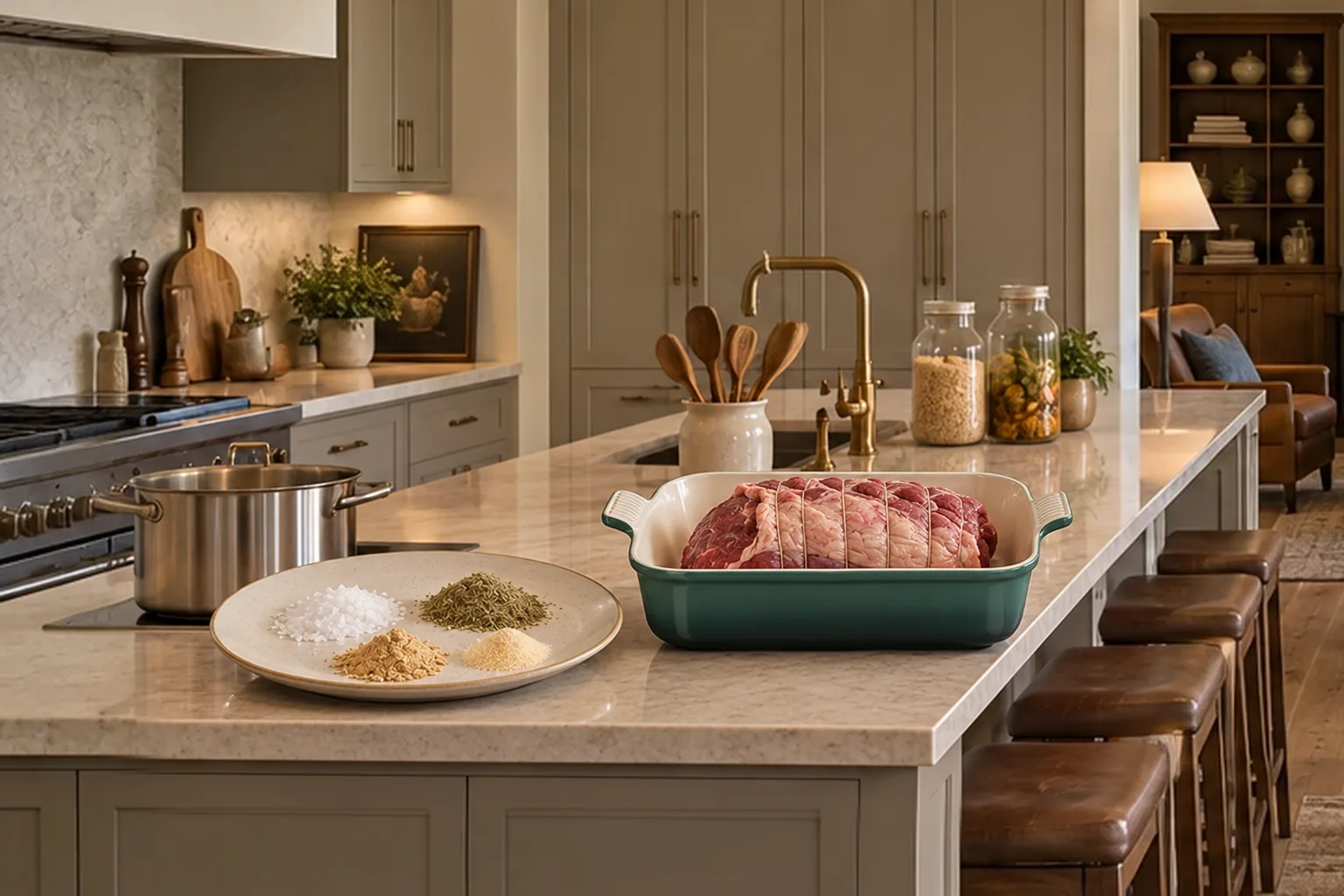
Put the sea salt, powdered rosemary, ginger or black pepper, and optional garlic powder on a dinner plate. Stir until the powders are evenly distributed.
The rosemary needs to be ground fine enough to spread over the roast rather than falling off as long woody needles. The mixture should look uniform, without one concentrated pocket of salt or ginger.
Coat the Tied Roast on Every Side
Set the lamb in a stainless-steel, cast-iron, or enameled cast-iron roasting dish, using a rack if one is available. Put the fuller fat side up.
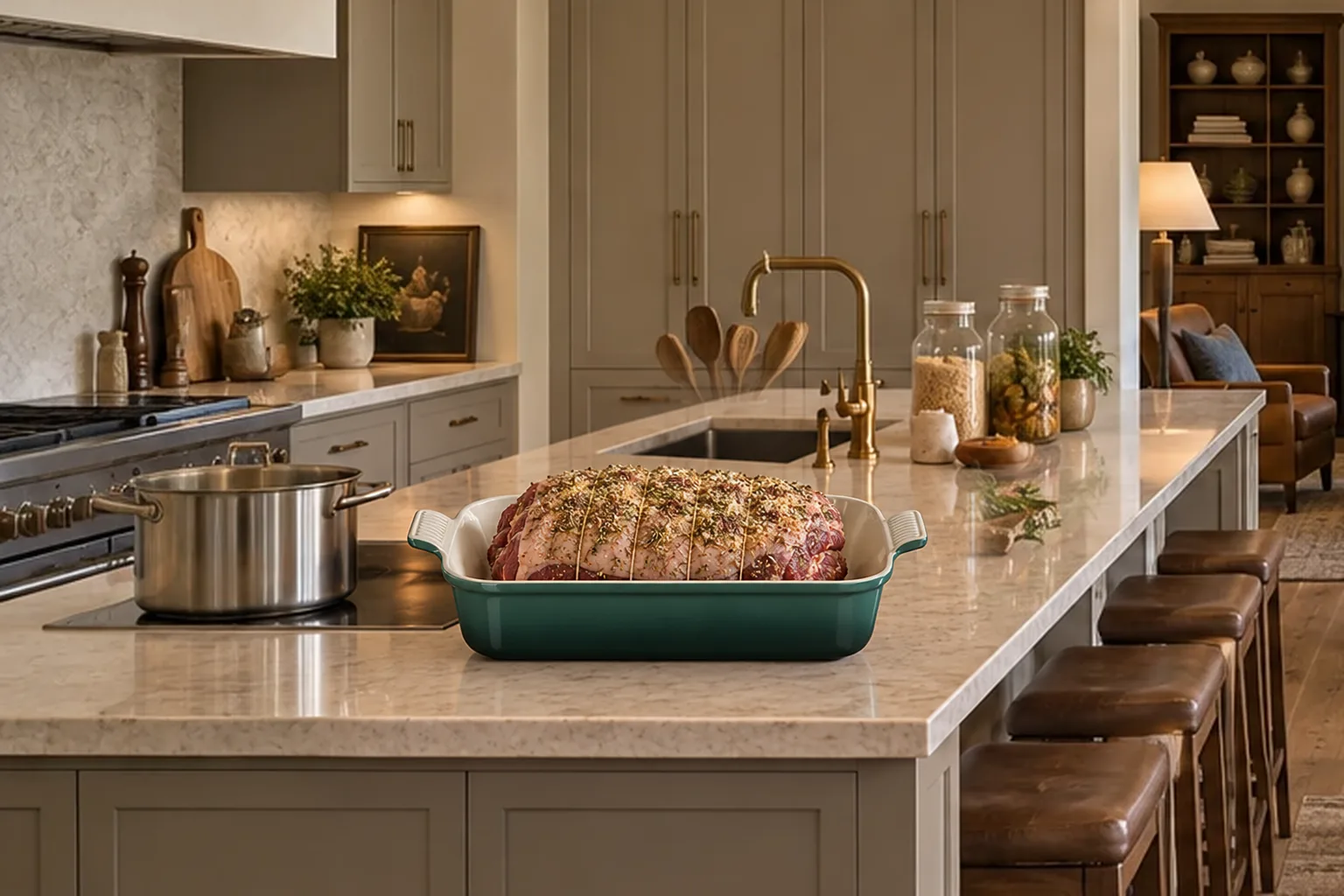
Rub the seasoning over the top, bottom, ends, and sides. Roll the roast across the plate if that helps collect the measured mixture. The coating should be even enough that every slice carries some rosemary and ginger.
Rest the Seasoned Lamb Before Roasting
Leave the seasoned lamb at room temperature for 45 minutes to one hour. About 15 minutes before that time is finished, heat the oven to 400°F.
This is not spare time that needs another step added to it. Leave the coating in place and let the tied roast rest in its pan while the oven comes fully to temperature.
Roast to the Source Doneness You Choose
Insert a meat thermometer into the thickest part of the lamb without pushing it into the pan. Use the source doneness target that matches the meal:
- Rare: 115°F; about 45 to 50 minutes for a half leg or 70 minutes for a full leg.
- Medium-Rare: 125°F; about 55 minutes for a half leg or 80 minutes for a full leg.
- Medium: 135°F; about 60 minutes for a half leg or about 90 minutes for a full leg.
The clock is a planning cue. The thermometer reading in the thickest part controls when the roast comes out. A flatter or more compact tied roast may reach the target at a different point in the listed window.
Give the Roast a Full 20-Minute Rest
Tent the lamb loosely with parchment paper and rest it for 20 minutes before cutting the twine or slicing. The source notes that the internal temperature rises about 10 degrees during this rest.
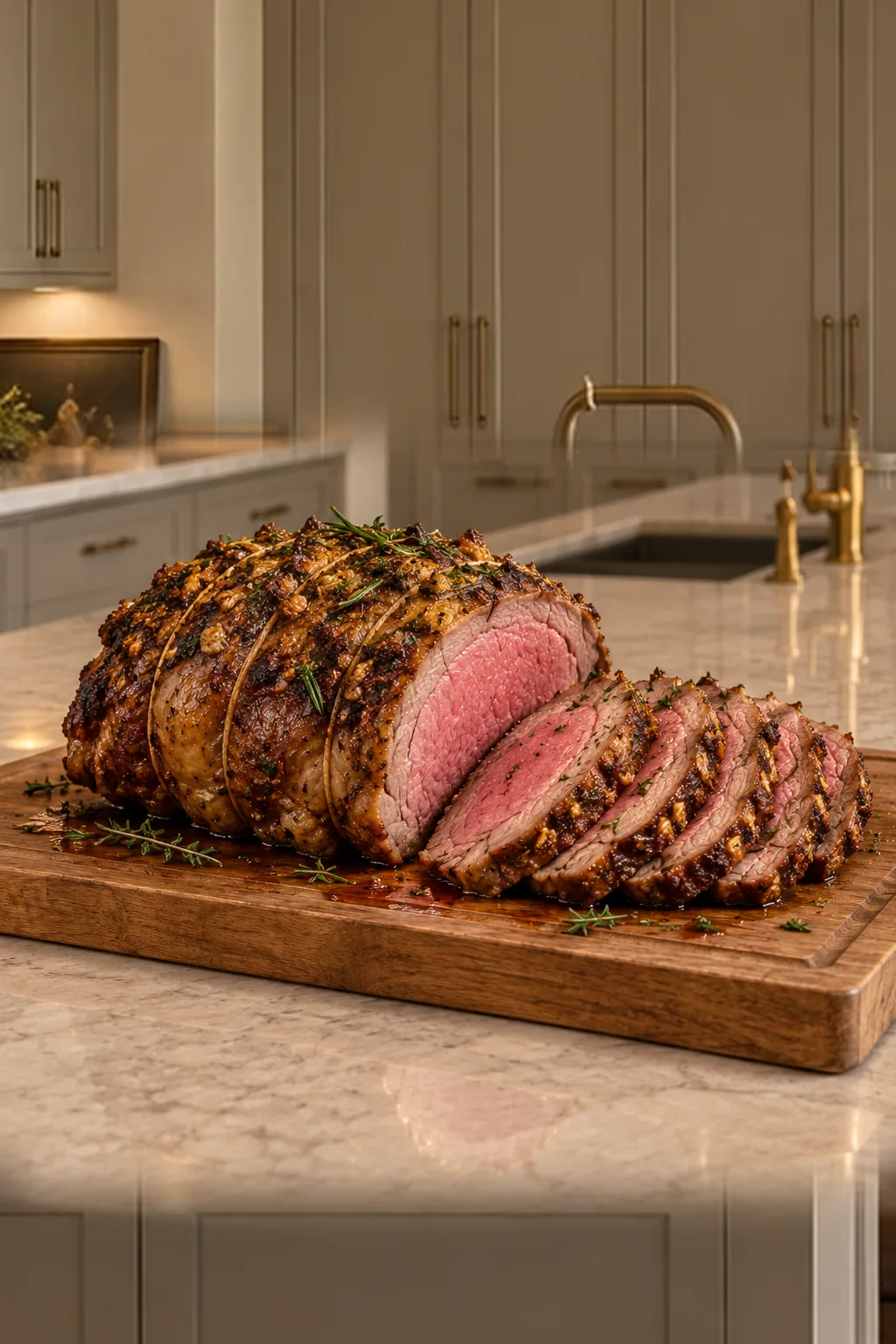
Move the lamb to a supported wooden cutting board, remove every piece of twine, and slice across the grain. Finish with two tablespoons chopped fresh thyme if using it.
What to Serve With Lamb
Serve the roast with cooked Full GAPS vegetables such as roasted cauliflower, Brussels sprouts, or winter squash. Potatoes and parsnips are not used for this GAPS meal.
For a warm sauce that keeps the same roast-dinner herb direction, add the Sage and Thyme Coconut Onion Gravy for Full GAPS at the table. Make it separately so the roast formula and its timing stay intact.
Storage and Reheating
Cool leftovers promptly and refrigerate them in a covered glass container for four to five days. Slice before freezing and keep frozen portions for up to three months.
Thaw frozen lamb in the refrigerator. Warm slices gently in a 300°F oven just until the fat softens and the meat reaches the temperature you want. Reheating pink lamb will continue browning the center, so use low heat and avoid a long second roast.
Recommended Equipment
Use linen kitchen twine if the roast is not already tied, a dinner plate for the rub, dry measuring spoons, the Le Creuset Heritage 4-quart rectangular dish in Artichaut shown in the method photographs, an optional roasting rack, an oven thermometer, a meat thermometer, parchment paper for the loose tent, and a wooden cutting board with a sharp carving knife.
Frequently Asked Questions
Can I Use Black Pepper Instead of Ginger?
Yes. Use one-quarter teaspoon ground black pepper per pound of lamb in place of the ginger: five-eighths teaspoon for 2½ pounds or one and one-quarter teaspoons for 5 pounds.
How Much Salt Goes on a Full Leg?
Use the source full-leg rule of one teaspoon sea salt per pound. A 5-pound full leg takes five teaspoons.
Do I Need to Add Cooking Fat?
No. Put the fuller fat side up when the roast has one and cook it with its own fat.
What If My Lamb Is Not Tied?
Tie it with linen kitchen twine at roughly one-inch intervals so the boneless roast keeps an even shape.
Does the Time or Temperature Control Doneness?
Use the thermometer reading in the thickest part. The listed minutes help with planning, while shape and oven behavior can change the exact time.
Why Rest the Lamb for 20 Minutes?
The rest allows the source’s expected carryover rise and lets the juices settle through the meat before slicing.
Is Fresh Thyme Required?
No. It is an optional two-tablespoon finish. The dried rosemary and chosen ginger or black-pepper branch season the roast itself.
Boneless Leg of Lamb Roast Recipe
Boneless Leg of Lamb Roast with Rosemary and Ginger
Ingredients
Equipment
Method
- If the lamb is not already tied, tie it with linen kitchen twine at roughly 1-inch intervals so it keeps an even shape.
- Set the lamb in a stainless-steel, cast-iron, or enameled cast-iron roasting dish, on a rack if available. Put the fuller fat side up.
- Put the sea salt, powdered rosemary, ginger or black pepper, and optional garlic powder on a dinner plate. Stir until evenly combined.
- Rub the measured spice mixture over the top, bottom, ends, and sides of the tied lamb so the coating is even.
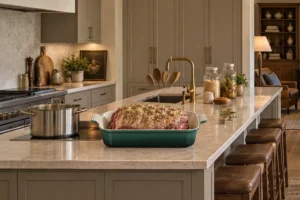
- Leave the seasoned lamb at room temperature for 45 minutes to 1 hour. About 15 minutes before that time is up, heat the oven to 400°F.
- Roast until a thermometer in the thickest part reads the chosen source target: 115°F rare, 125°F medium-rare, or 135°F medium. Plan about 45 to 50, 55, or 60 minutes for a half leg; about 70, 80, or 90 minutes for a full leg.
- Tent loosely with parchment paper and rest for 20 minutes. The source expects about a 10-degree carryover rise during this rest.
- Move to a wooden cutting board, remove every piece of twine, slice against the grain, and scatter with the optional fresh thyme.
Notes
- Full GAPS: Use after roasted meat and the selected pure herbs and spices are introduced and tolerated.
- Choose one: Use ground ginger or the measured black-pepper branch, not both.
- Salt branch: Use 1 tablespoon for the 2 1/2-pound half leg; the 5-pound full leg uses 1 teaspoon per pound, or 5 teaspoons total.
- Doneness: The thermometer reading controls; the minutes are planning cues.
- Scaling: The 2x control gives the 5-pound full-leg branch for 8 servings; follow the fixed salt note.
Tried this recipe?
Let us know how it was!Plan the Roast With the Rest of Dinner
The planned Holiday Menu & Prep Timeline will pair holiday menus with a day-by-day preparation countdown, so the roast, gravy, vegetables, and make-ahead work do not all land in the same hour. Find current guides and catalog updates in the WFLI shop.

Leave a comment