

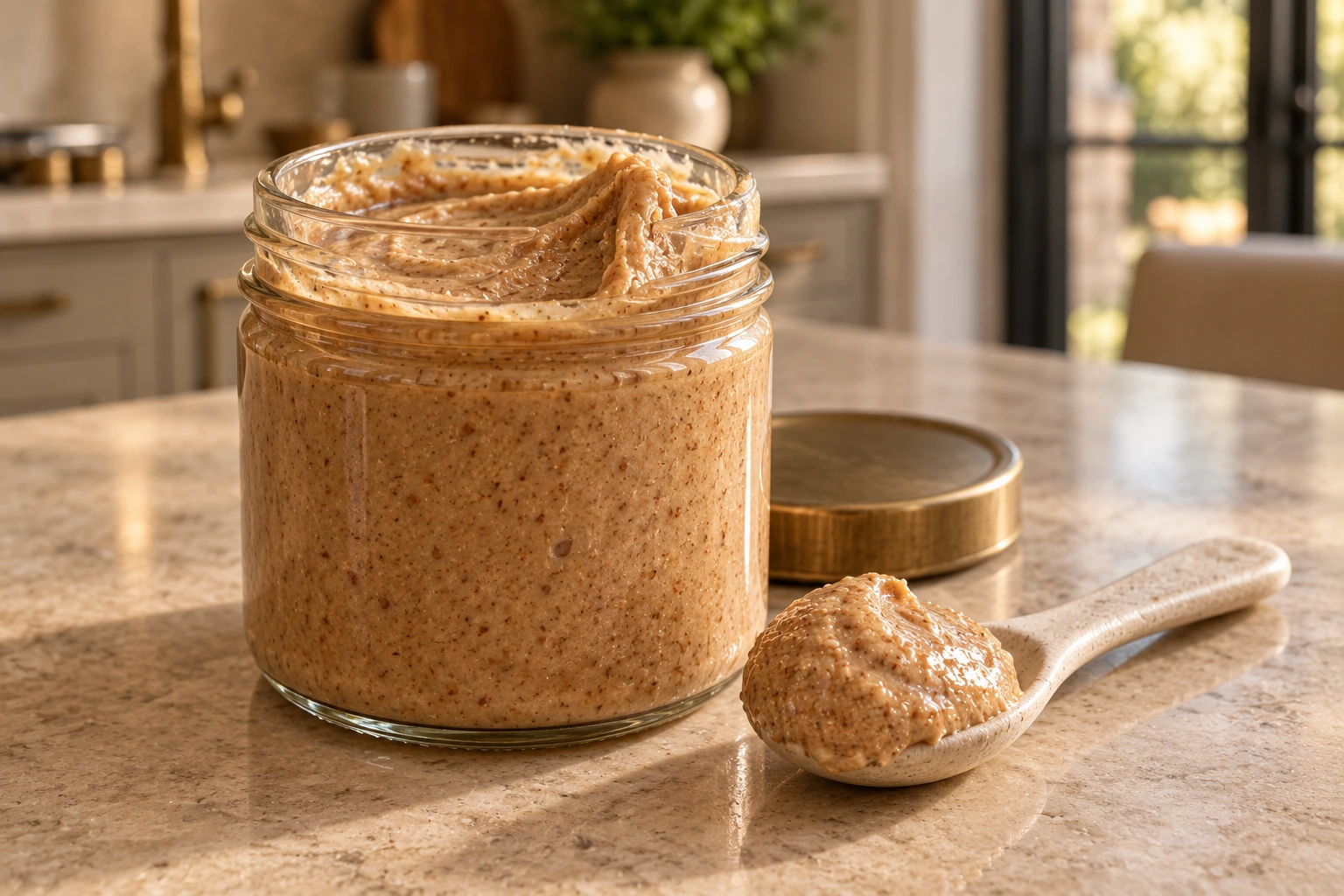
This fermented almond butter uses three cups of raw almonds, half a cup of cultured whey from homemade 24-hour GAPS yogurt, filtered water, and mineral salt. The almonds stay fully submerged for 24 hours, then go into the food processor while they are still wet. They move from chopped pieces to crumbs, thick paste, and finally a smooth butter as their own oil releases.
I make yogurt, kefir, ghee, and sour cream in weekly batches. Between homeschool and second shift, I like having that dairy work done ahead. If you are draining a jar of yogurt this week, save some whey for the almonds. Start them at a time when you can return the following day to rinse and blend them.
GAPS Placement: Full GAPS, after prepared nuts are tolerated
Active Prep Time: About 15 minutes
Fermentation Time: 24 hours
Total Time: About 24 hours 15 minutes
Yield: 1 batch
What Makes This Almond Butter Different
This is not ordinary roasted almond butter, and it is not the separate honey-sweetened almond spread. The almonds are cultured in homemade whey and water before they are blended. They are rinsed after the 24-hour ferment, then processed wet. No drying step is added between the colander and the food processor.
The wet-processing method changes the way the almonds move through the machine. At first they look like damp chopped nuts. Then they become a heavy, grainy paste that sticks to the sides. Continued processing releases the almonds’ own oil and pulls that paste into butter. Do not add coconut oil, water, or another liquid to force the transition. The formula relies on patience and the oil already in the almonds.
Mineral salt goes in after the butter has formed. For one batch, add four shakes and pulse, then add four more and pulse again. If you double the recipe, double both salt additions as well. Keeping the same shaker makes those small additions more consistent from batch to batch.
Flavor And Texture
The finished butter is nutty, lightly tangy, and savory. The cultured whey gives it more depth than plain almond butter without making it taste like yogurt. Mineral salt sharpens the almond flavor after processing.
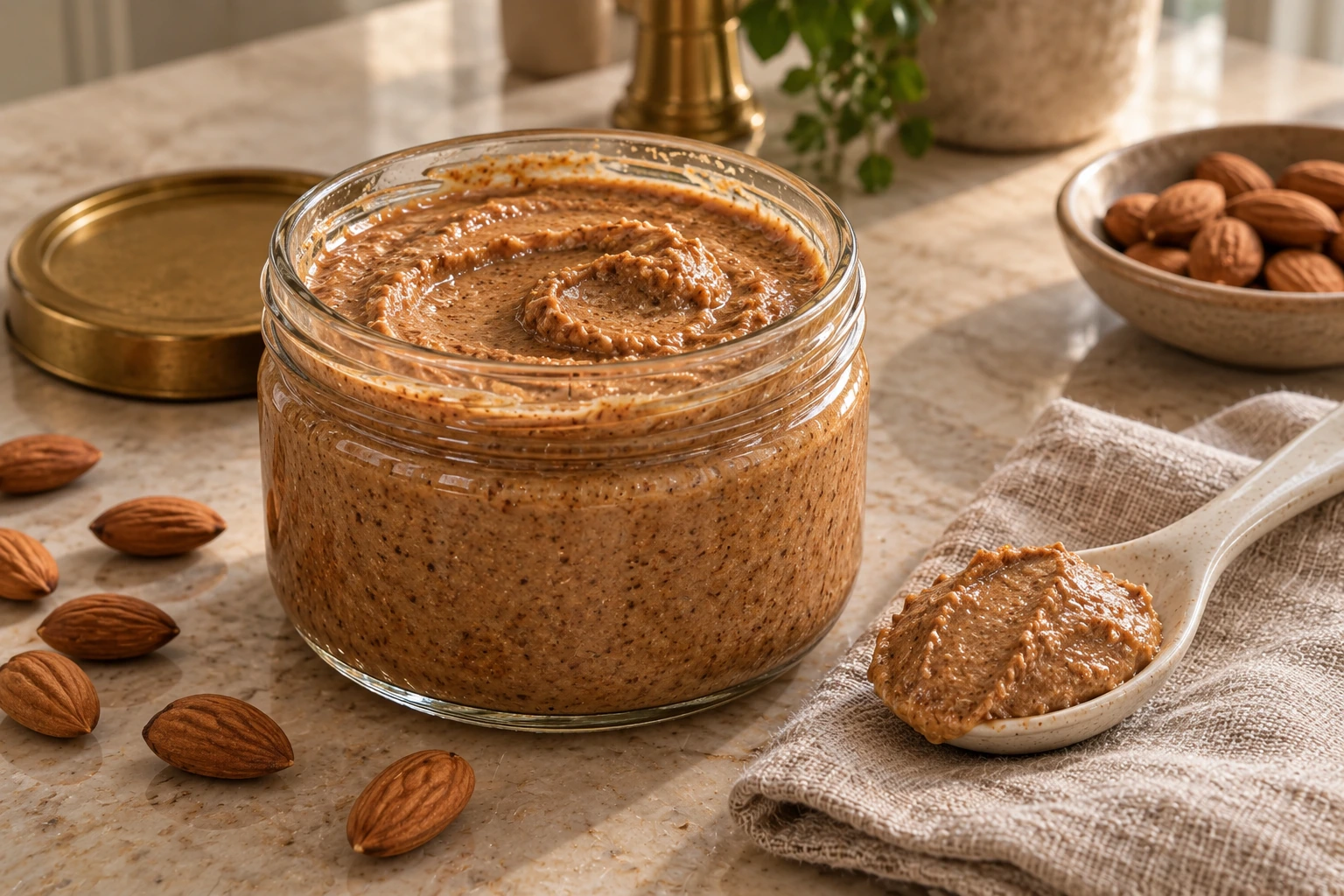
Its texture is thick and spoonable. It may not pour like a commercial jar that contains added oil. When you drag a spoon through the surface, the trail should hold for a moment before slowly softening at the edges. Tiny almond flecks are normal, but the butter should not feel like loose wet meal.
Because the almonds are processed wet, the butter looks slightly softer when it first leaves the food processor. Chilling firms it. Stir it after refrigeration if a small amount of natural oil rises to the surface.
Full GAPS Ingredient Notes
Almonds and almond butter fit Full GAPS after nuts are tolerated, but the almonds need proper preparation. This recipe uses a complete 24-hour culture with homemade whey. It is not written for the Introduction Diet, and the presence of cultured whey does not move the finished almond butter into an earlier stage.
Use raw whole almonds without roasting, coatings, sweeteners, or added oils. The three-cup measure belongs to this formula. Do not replace it with the two-cup measure from another almond-butter recipe.
Use homemade cultured whey drained from completed 24-hour GAPS yogurt. Measure one-half cup of the clear draining liquid for this almond batch. The whey recipe shows how to collect it and save the thickened yogurt separately.
Use enough filtered water to keep every almond below the liquid for the full 24 hours. The amount depends on the vessel’s width and how the almonds settle. Check the liquid level after adding the water and again once the nuts have settled.
Use a high-quality mineral salt. Add it as two separate four-shake additions only after the almonds have become butter.
Choose The Right Fermenting Vessel
Use a clean glass or ceramic vessel that leaves room above the almonds and liquid. A narrow jar may require more water to cover the nuts than a broad bowl. Either shape works as long as the almonds stay submerged and the vessel is easy to drain cleanly.
Cover the vessel so dust and debris stay out without creating a rigid pressure seal. A cloth cover, a glass or ceramic plate, a self-venting fermentation lid, or another pressure-aware closure works. Do not routinely open, stir, or burp the almonds during the 24-hour culture. Set the vessel in a stable room-temperature spot away from direct sun.
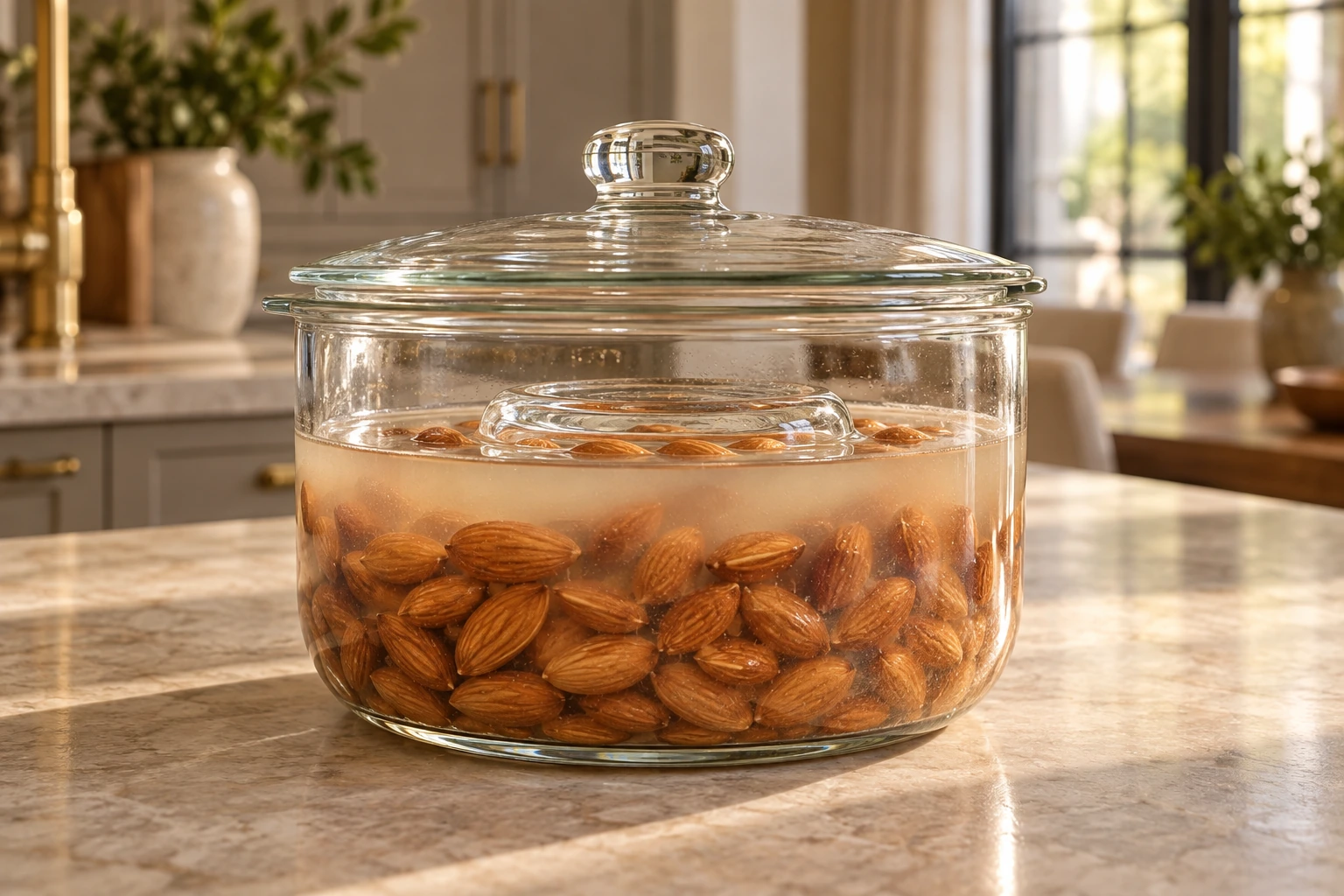
If a few almonds float when the water is first added, use a clean nonreactive fermentation weight or another approved glass or ceramic weight to hold them under the liquid. The support must sit securely inside the vessel. Do not improvise with reactive metal or plastic touching the ferment.
How To Ferment The Almonds
Place three cups of raw almonds in the clean vessel. Pour in one-half cup homemade cultured whey. Add filtered water until the almonds are completely covered, then check again after they settle. No almond should remain at the surface.
Cover the vessel without sealing in pressure. Leave it at room temperature for a complete 24 hours. The liquid may become slightly cloudy. A mild cultured aroma is expected. The almonds should remain covered by liquid the entire time.
At 24 hours, pour the almonds into a stainless-steel colander. Rinse them thoroughly with cool filtered water. Let the water drain away, but do not spread the almonds out to dry. The next step begins with rinsed, wet almonds.
Process The Almonds While Wet
Transfer the wet almonds directly to a food processor with stainless-steel food-contact surfaces. Process and stop as needed to scrape the sides with a wooden or stainless-steel tool while the machine is off.
The almonds pass through several distinct stages. First they break into wet pieces. Those pieces become damp crumbs, then gather into a thick paste. The paste may ride up the bowl and look as if it has stalled. Scrape it back toward the blade and continue. Eventually the almonds release their own oil and the mixture becomes smoother and more cohesive.
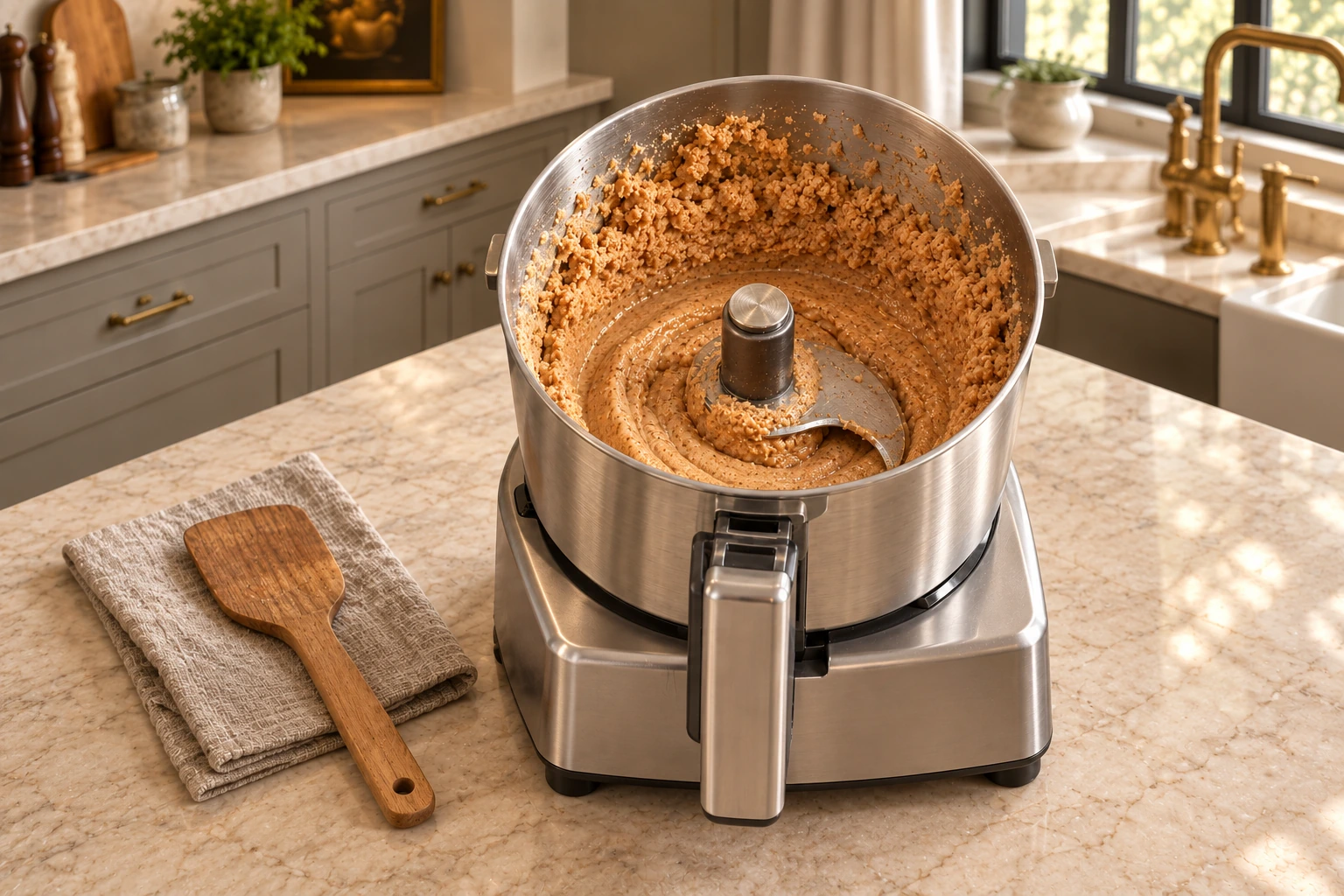
Do not add oil or water when the paste looks thick. Adding liquid changes the formula and can keep the butter from reaching the intended consistency. Continue processing, scraping only as needed, until the surface looks glossy and the mixture spreads as one butter rather than separate crumbs.
After the butter has formed, add four shakes of mineral salt and pulse for several seconds. Add four more shakes and pulse again. Taste only after both additions are evenly distributed.
Transfer the finished almond butter to a clean glass jar, cover, and refrigerate.
Fermented Almond Butter for Full GAPS
Ingredients
Equipment
Method
- Place the almonds in a clean glass or ceramic vessel. Add the measured whey and enough filtered water to keep every almond fully submerged.
- Cover without creating a rigid pressure seal. Hold at room temperature for a complete 24 hours without routinely opening, stirring, or burping. Keep all almonds below the liquid.
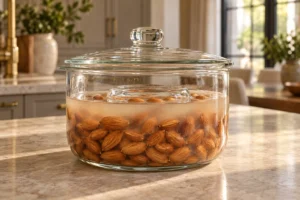
- Drain the almonds through a stainless-steel colander and rinse with cool filtered water. Let excess water drain, but do not dry the almonds.
- Transfer the wet almonds directly to the food processor. Process, stopping only as needed to scrape the bowl while the machine is off. Continue through wet pieces, damp crumbs, thick paste, and natural oil release until smooth almond butter forms. Do not add oil or liquid.
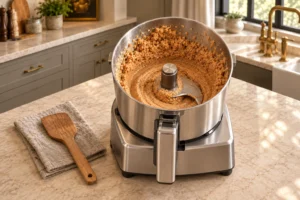
- After the butter has formed, add half of the salt and pulse for several seconds, then add the remaining half and pulse again. At 1x, use four shakes in each addition; at 2x, use eight shakes in each addition.
- Transfer to a clean glass jar, cover, and refrigerate.
Notes
Tried this recipe?
Let us know how it was!The Physical Cues That Matter
Every almond stays below the liquid. Check the jar after the almonds settle. Full submersion is the clearest sign that the fermenting environment is set up correctly.
The ferment remains covered and undisturbed. The cover keeps debris out and allows gas to escape. There is no routine stirring, airing, or burping step.
The rinsed almonds remain wet. They should look clean and drained but not dried or crisp. A drying stage belongs to a different prepared-nut method.
The processor mixture changes from crumbs to paste. A thick, stubborn paste is a normal middle stage. Scrape it down and keep processing rather than thinning it.
The almonds release their own oil. The surface starts looking smoother and glossier, and the mixture moves together around the blade. That is the point when it has become almond butter.
The salt goes in last. The two four-shake additions happen only after the butter is smooth enough to distribute them evenly.
Equipment That Fits This Method
The fermenting vessel and storage jar should be glass or ceramic. Use a pressure-aware cover and, if needed, a clean glass or ceramic fermentation weight. Drain with a stainless-steel colander.
The food processor needs a stainless-steel blade and approved stainless-steel food-contact bowl for this recipe. The machine must be large enough to move three cups of wet almonds without packing them above its safe fill line. Stop the motor before scraping the bowl.
The WFLI shop lists the kitchen tools and fermenting equipment I use and recommend. The Luvele Pure Plus Yogurt Maker is the yogurt maker I use for the 24-hour yogurt that supplies this whey. That is my referral link.
How To Use Fermented Almond Butter
Use this in recipes that call for smooth prepared almond butter, including dressings, dipping sauces, pancakes, and waffles. Its plain flavor works in savory cooking, and you can spread a thin layer on apple slices when raw fruit and prepared nuts have been introduced on Full GAPS.
The Asian chicken chopped salad uses an almond-butter dressing with crisp vegetables and roasted chicken. For a cooked breakfast, the nut butter pancakes or waffles use prepared nut butter as part of the batter rather than as a topping.
If you want a sweet spread, the honey-sweetened almond butter uses sprouted, dried almonds with coconut oil and honey. It has a different preparation and texture, so follow that recipe from the beginning.
Storage
Transfer the butter to a clean covered glass jar and refrigerate it promptly. Label the jar with the date you made it, and use clean utensils each time you scoop from it. Make a batch you can use over the next few days. Check the jar before serving, especially if it has been sitting at the back of the refrigerator.
Natural separation can happen during refrigeration. A thin oil layer may be stirred back into the butter. That is different from a fuzzy surface growth or a sharply rotten smell.
Troubleshooting
The Almonds Keep Floating
Add a clean glass or ceramic fermentation weight and confirm that the liquid rises above the top almond. Recheck after the vessel sits for a few minutes because trapped air can lift nuts that initially looked submerged.
The Mixture Is Stuck At The Crumb Stage
Stop the processor and scrape all of the damp crumbs back toward the blade. Restart and give the almonds time to move into a paste. Confirm that the batch contains the full three cups so the processor has enough material to circulate.
The Paste Is Thick And Climbing The Bowl
That is a normal middle stage. Stop, scrape it down, and continue. Do not add water, whey, or coconut oil to loosen it.
The Butter Is Not Completely Smooth
Continue processing after the mixture first comes together. Almond butter can look cohesive before it has released enough oil for a smoother texture. A little natural almond flecking is fine. Separate damp crumbs are not the endpoint.
Frequently Asked Questions
Can I Dry The Almonds Before Blending?
No. This formula drains and rinses the almonds, then processes them while wet. Drying creates a different prepared-almond method and changes the way they blend.
Can I Use Yogurt Instead Of Whey?
Use one-half cup of cultured whey drained from completed homemade 24-hour GAPS yogurt. Whole yogurt changes the liquid and solids in the ferment.
Do I Need To Burp The Jar?
No. Use a cover that protects the ferment without trapping pressure, then leave the almonds undisturbed for the complete 24 hours. Routine opening and burping are not part of the method.
Can I Add Honey?
Not to this exact recipe. The plain fermented butter is used in both savory and sweet cooking. Make the separate honey-sweetened almond spread when you want that measured sweet formula.
Why Does The Recipe Card Say One Batch?
The recipe begins with three cups of almonds, but the finished volume varies with draining and processing. The card counts one complete batch so the 2x button doubles the almonds, whey, and salt together. It does not promise a particular jar size.
Is This An Introduction Diet Recipe?
No. This post is placed on Full GAPS after prepared nuts are tolerated. The whey comes from a GAPS yogurt method, but that does not change the almond butter’s placement.
Build A Reliable Fermenting Rhythm
The upcoming Crock & Jar: Ferments for GAPS Families course is planned for families who want the timing, submersion cues, jar setup, and troubleshooting kept together instead of scattered across recipes. Visit the WFLI shop for current guides and course updates.

Leave a comment