

These coconut salmon patties are a quick Full GAPS skillet meal with four measured ingredients: wild salmon, eggs, additive-free shredded coconut, and ghee or coconut oil. The coconut helps the small patties hold together while the first side sets, then browns into a crisp surface around a moist, flaky center.
This is the coconut version in a three-post salmon patty set. It is different from the plain salmon-and-egg patties, which use an egg-per-can ratio and no coconut, and from the egg-free carrot and squash patties, which use gelatin and one measured flavor pairing.
My weekdays already hold breakfast, homeschool, our businesses, and second shift. A one-bowl, one-skillet dinner is useful in that kind of schedule, but only if the method is clear. Here, you are watching for two things: a uniform mixture after the eggs are mixed through, and a firm, matte edge before you try to flip the patties.
What Makes This Coconut Version Different
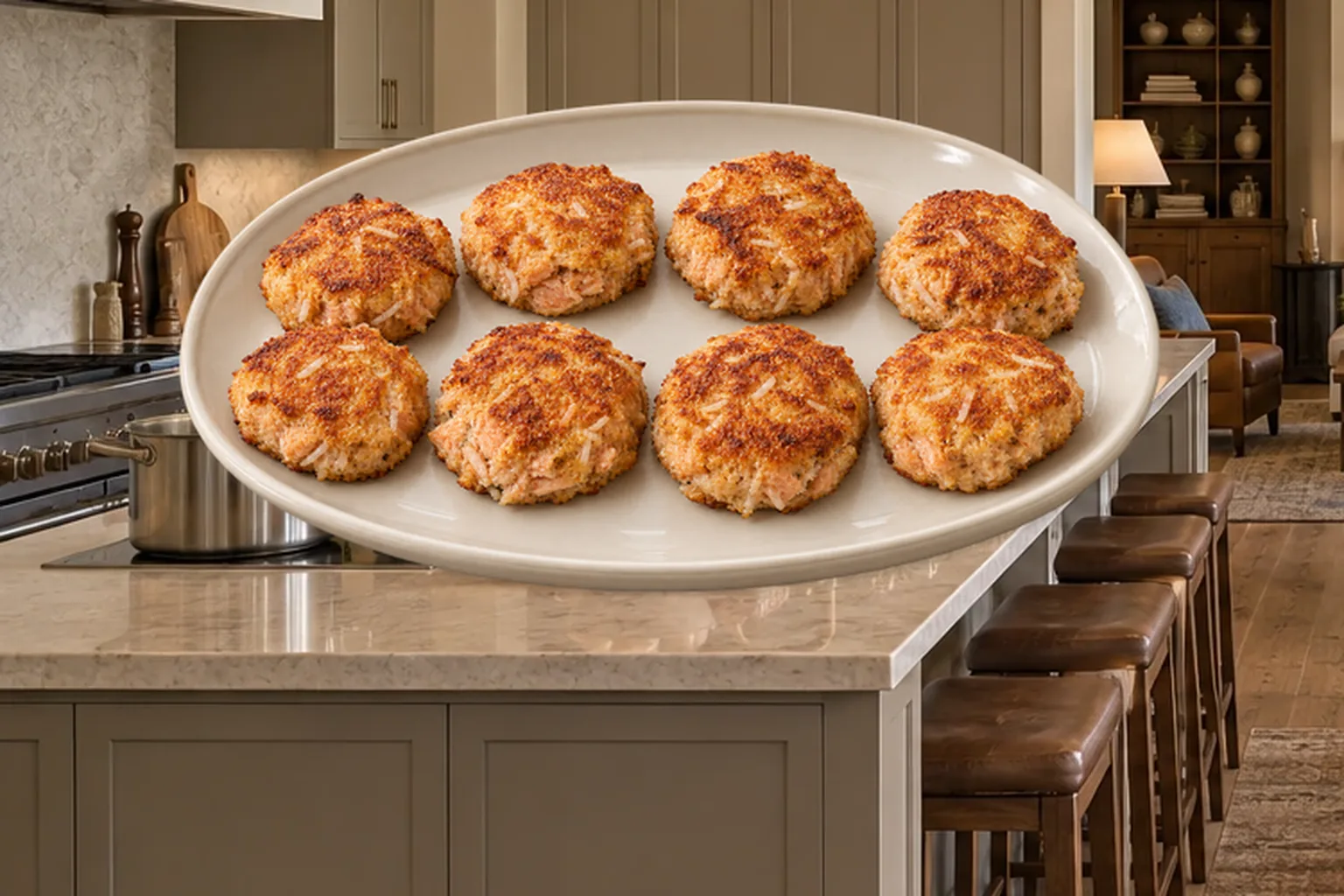
Three 5-ounce cans of salmon give this formula a fixed base. Two eggs provide moisture and structure. The 1/4 cup of shredded coconut absorbs some of that moisture during the short rest and helps the small patties stay together without bread crumbs, flour, or starch.
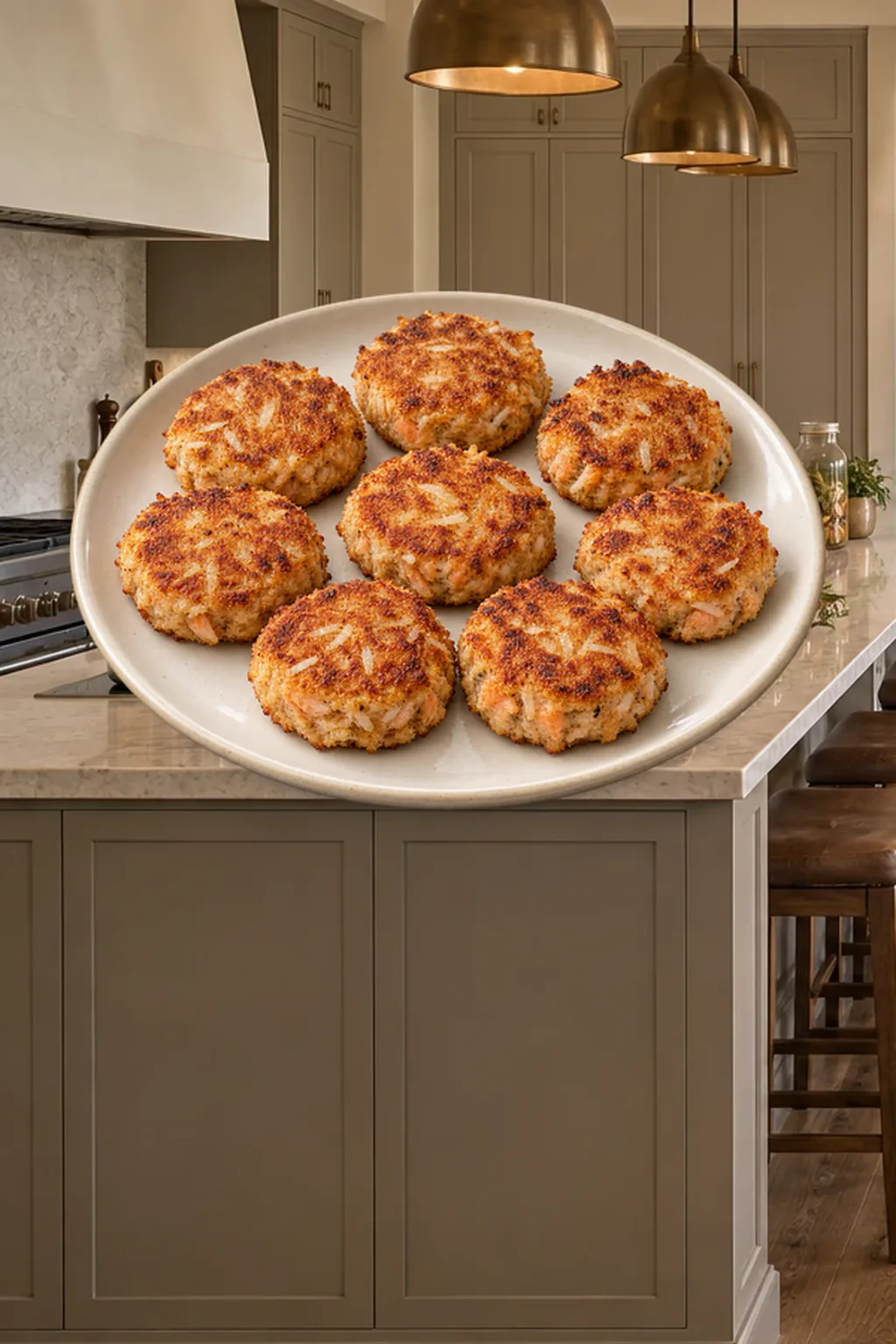
The finished texture is not breaded. You will see moist salmon flakes and a few fine coconut strands inside each patty. The skillet side becomes golden and lightly crisp, while the middle stays tender. Keeping the patties small makes them easier to turn before the center has fully firmed.
Choosing the Full GAPS Ingredients
Use three 5-ounce cans of wild salmon. Choose a can that fits your current Full GAPS foods and does not bring a sauce, sweetener, breading, or flavor packet into the mixture. Drain each can well. Extra liquid makes the patties softer and harder to turn cleanly.
The shredded coconut should be unsweetened and free of additives. This is shredded coconut, not coconut flour. Coconut flour would absorb the eggs differently and would change the formula. Measure a level 1/4 cup of shredded coconut so the mixture remains moist enough to shape.
Use ghee or coconut oil in the skillet. If you choose ghee, prepare it before you begin and measure from the finished fat. The homemade stovetop ghee recipe shows the separate process. Coconut oil gives you the dairy-free option without changing the patty mixture.
Where These Patties Fit on GAPS
This formula is for Full GAPS. It uses wild salmon, eggs, additive-free shredded coconut, and a stable cooking fat. It is not an Introduction Diet patty, and it should not be presented as an egg-free recipe.
If eggs work for you but coconut does not, the source includes one measured adjustment: omit the shredded coconut and use one egg instead of two. Do not keep both eggs after removing the coconut, because the mixture will be wetter than the measured coconut version.
If you need a patty without egg, use the separate carrot, squash, and gelatin salmon patty recipe. That post explains the tahini, peanut-butter, and mayonnaise choices without pretending they are interchangeable with this coconut mixture.
Drain and Mix the Salmon
Open one can at a time and press the cut lid firmly against the salmon while you turn the can upside down over the sink. Keep your fingers away from the sharp lid edge. The goal is moist salmon with no liquid pooling in the mixing bowl.
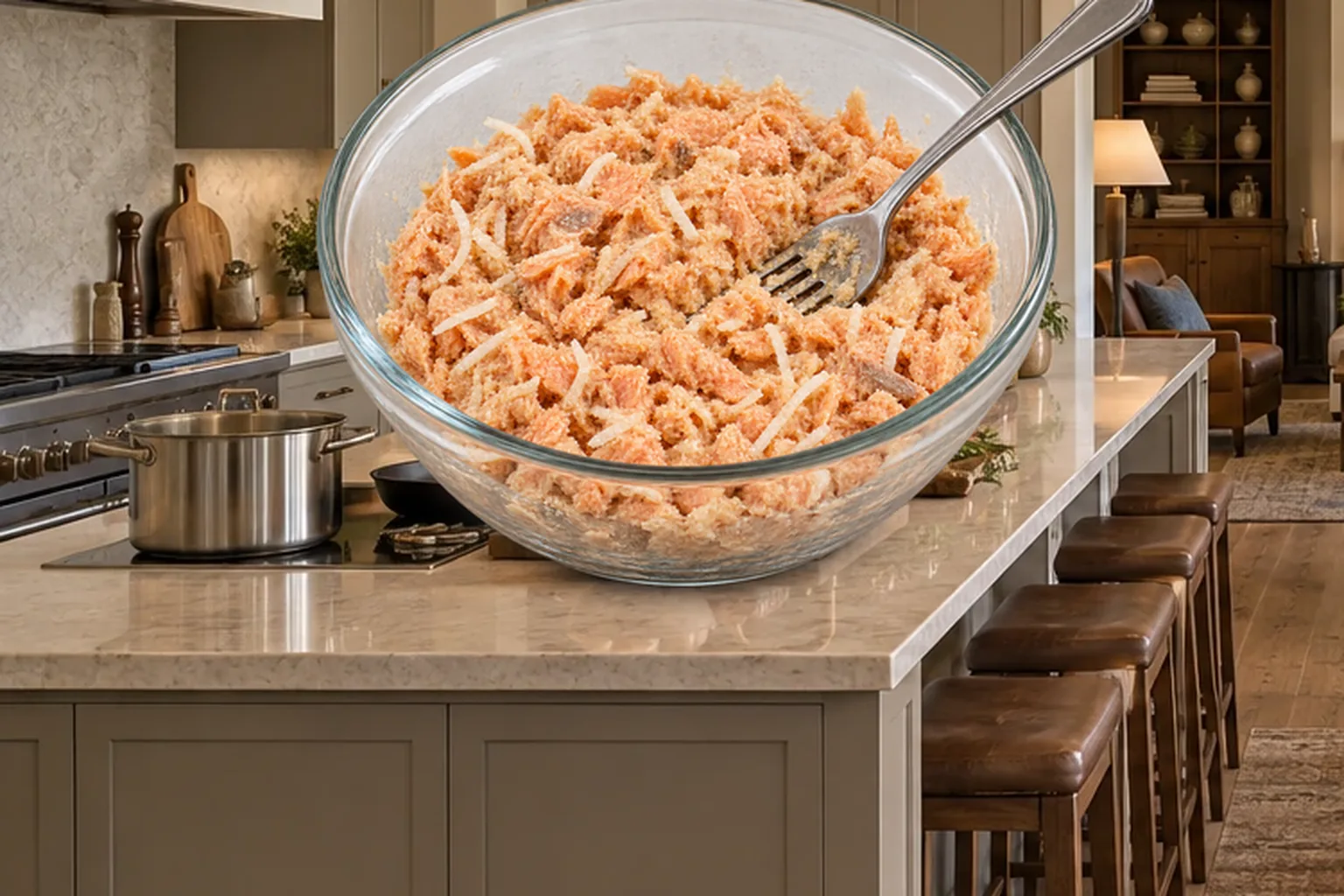
Put all three drained cans into a glass or stainless-steel bowl. Add the two eggs and the shredded coconut. Use a fork to break up large pieces of fish while folding the eggs through the whole bowl. Stop before the mixture becomes a puree.
The mixture is ready to rest when it looks uniform. You should not see yellow streaks of unmixed egg, a dry patch of coconut, or liquid standing at the bottom. Salmon flakes should still be visible throughout.
Rest and Shape the Patties
Let the mixed salmon rest while the skillet heats over medium heat. This is part of the binding method. The coconut needs a little time with the egg and salmon moisture before you ask the patties to hold together in the pan.
Add 1 tablespoon of ghee or coconut oil to the hot skillet and let it melt across the cooking surface. While it melts, press the mixture into small slider-size or mini-burger-size patties. Keep them close to the same thickness so one does not dry out while another is still soft.
Press each portion firmly enough that the edges stay together when you set it down. If the mixture crumbles immediately, give it another moment to rest and press it again. Do not add flour, bread crumbs, or an unmeasured binder.
Fry Until the Edges Turn Firm and Matte
Place the patties in the skillet with room for a thin metal spatula to reach every edge. Work in batches instead of crowding them. Crowding makes turning harder and can trap moisture around the sides.
Cook the first side for about five minutes. The top will not look fully cooked yet. Watch the outside edge. It should change from glossy and soft to firm and matte, while the wet shine on top begins to fade. The underside should be starting to brown.
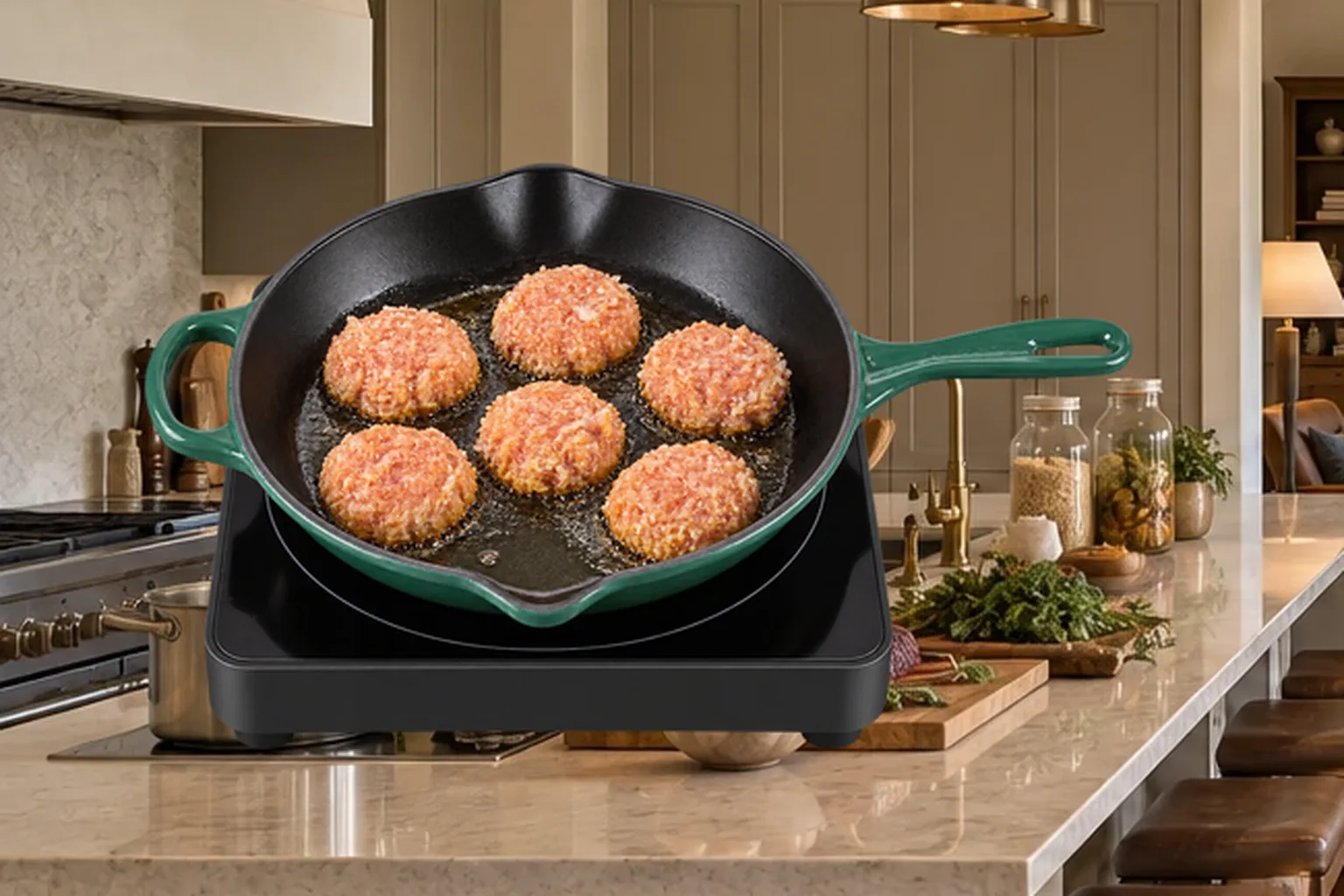
Slide the spatula fully underneath a patty and flip carefully. If the bottom sticks or the middle bends, let the first side cook a little longer instead of forcing it loose. Cook the second side for about three minutes. Add more of the measured fat before each new batch as needed.
Crispy Coconut Salmon Patties With Egg for Full GAPS
Ingredients
Equipment
Method
- Open the cans and drain the salmon by pressing each cut lid firmly against the fish while turning the can upside down over the sink.
- Put the salmon, eggs, and shredded coconut in the mixing bowl. Mix with the fork until the egg is thoroughly distributed. Keep the salmon visibly flaky, but make the mixture uniform.
- Let the mixture rest while you heat the skillet over medium heat. The rest gives the shredded coconut time to absorb moisture and help the patties hold together.
- Add 1 tablespoon of the ghee or coconut oil to the hot skillet and let it melt. Shape the salmon mixture into small slider-size or mini-burger-size patties and place them in the skillet without crowding.
- Cook the first side for about 5 minutes, until the edges look firm, the uncooked top begins to lose its wet shine, and the underside is starting to brown.
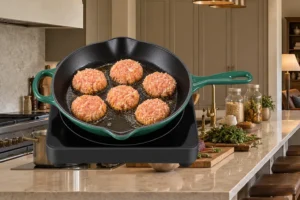
- Slide a thin metal spatula fully underneath each patty and flip carefully.
- Cook the second side for about 3 minutes, then serve. Add more of the measured fat before each new batch as needed.
Notes
Tried this recipe?
Let us know how it was!Serving Ideas
Serve the patties warm as the main protein with a simple vegetable or salad. The roasted broccoli salad with lemon vinaigrette adds a warm vegetable and a bright raw dressing beside the rich salmon.
For a creamy dip, start with homemade Full GAPS mayonnaise. The mayonnaise post includes a tartar-style variation with chopped unsweetened dill pickles and onion. Keep the sauce separate until serving so the patties stay crisp.
These are also small enough to use as finger food. Let them cool until comfortable to handle, then serve them with cucumber slices, olives, or another simple Full GAPS side already in your meal plan.
Storage
Refrigerate leftover patties promptly in a covered container. The source does not give a measured refrigerator or freezer window for this formula, so this post does not invent one.
Reheat gently in a skillet with a small amount of ghee or coconut oil. Stop when the center is hot. A long reheat can dry the salmon and soften the crisp surface. Keep dips and dressings in a separate container.
Recommended Equipment
- Medium glass or stainless-steel bowl: You need enough room to fold the eggs and coconut through all three cans of salmon.
- Dinner fork: It breaks up large salmon pieces without turning the mixture into a paste.
- 10.25-inch skillet: A Le Creuset Artichaut skillet gives a batch of small patties enough direct contact for browning. Cook in rounds when needed.
- Thin stainless-steel spatula: The blade needs to reach fully under each patty before the flip.
Frequently Asked Questions
Can I Leave Out the Shredded Coconut?
Yes. When you omit the optional 1/4 cup shredded coconut, reduce the eggs from two to one. That is the measured coconut-free adjustment in this source.
Can I Use Coconut Flour Instead?
No. Shredded coconut and coconut flour absorb moisture differently. Coconut flour would change the egg balance and the finished texture.
Why Are My Patties Breaking When I Flip Them?
Check three things: the salmon should be drained, the mixture should rest while the skillet heats, and the first edge should look firm and matte before you turn it. Use a small patty and slide the spatula all the way underneath.
Can I Bake This Version?
This measured coconut formula uses the skillet method. If you want an oven option, use the linked plain salmon-and-egg recipe or the egg-free carrot-and-squash recipe and follow that formula’s own temperature and timing.
How Many Patties Should I Make?
The source gives four servings and directs you to make slider-size or mini-burger-size patties. Keep the patties small and even rather than forcing a fixed count. The photographs show eight as a practical shape for the measured batch.
What Should the Finished Center Look Like?
The inside should be moist and flaky, with egg distributed through the salmon and fine coconut strands still visible. It should hold when lifted, but it should not feel dry, breaded, or dense.
Keep the Binder Choices Straight
The difference between shredded coconut, a plain egg binder, and the egg-free gelatin version is exactly the kind of small decision that can make a GAPS adaptation confusing. The GAPS Food Swap Guide in the WFLI shop is the best companion for keeping the useful swaps and their limits in one place while you plan meals.

Leave a comment