

Week 10 and beyond adds a small amount of scrambled egg or omelet, peeled raw apple or ripe banana between meals, homemade cream cheese, and a small piece of GAPS bread. When the baby reaches Full GAPS, the book adds small amounts of natural salt and moves the baby into the suitable GAPS meals already being prepared for the family.[1]
We began Baby GAPS with our youngest on September 20, 2026, and this is our first time following the baby sequence. This part of the sequence brings baby’s food closer to the meals already being made for the family.
Continue the First Nine Weeks
Continue the foods already established through Weeks 8–9. Week 10 and beyond adds the final foods named in the Baby GAPS sequence and then moves toward suitable Full GAPS family meals.[1]
The complete Baby GAPS first-food guide shows the whole sequence in one place.
Week 10 and Beyond at a Glance
| Addition | Starting Point | How It Progresses |
|---|---|---|
| Scrambled egg or omelet | A small amount, cooked gently in plenty of permitted fat | Serve with avocado and raw or cooked vegetables |
| Peeled raw apple or ripe banana | A small amount between meals | Increase gradually when tolerated |
| Homemade cream cheese | A very small amount | Increase gradually; serve plain with meals. No honey before 12 months |
| GAPS bread | 1 small piece per day | Increase gradually |
| Natural salt | Small amounts after reaching Full GAPS | Use suitable family GAPS foods instead of cooking a separate baby meal |
Introduce Scrambled Egg or Omelet
Offer a small amount of scrambled egg or omelet. Cook it gently over low heat in a generous amount of raw-milk butter, a home-rendered animal fat, coconut oil or ghee. Serve it with avocado and raw or cooked vegetables.[1]
The source says to try a small amount. It does not set a two-eggs-per-day target for this stage.
Test the New Egg Meal in Its Served Form
The New Baby chapter’s general rule is to perform the overnight wrist test in the same form in which a food will be introduced. Raw yolk was tested and introduced earlier. The cooked egg meal is a new served form, so keep that form clear when testing and recording it.[1]
The Baby GAPS wrist-test guide keeps the complete method and wait-before-retry route together. A clear wrist spot does not rule out food allergy. Follow the baby’s allergy plan.[4]
Add Peeled Raw Apple or Ripe Banana
Try a small amount of peeled raw apple or ripe banana. The banana should be yellow with brown spots on the peel. Serve fruit between meals rather than with meat.[1]
Keep the initial amount small and increase it gradually when tolerated. Use mashed banana or finely pureed peeled apple in a texture the baby already handles.
Make Homemade Cream Cheese
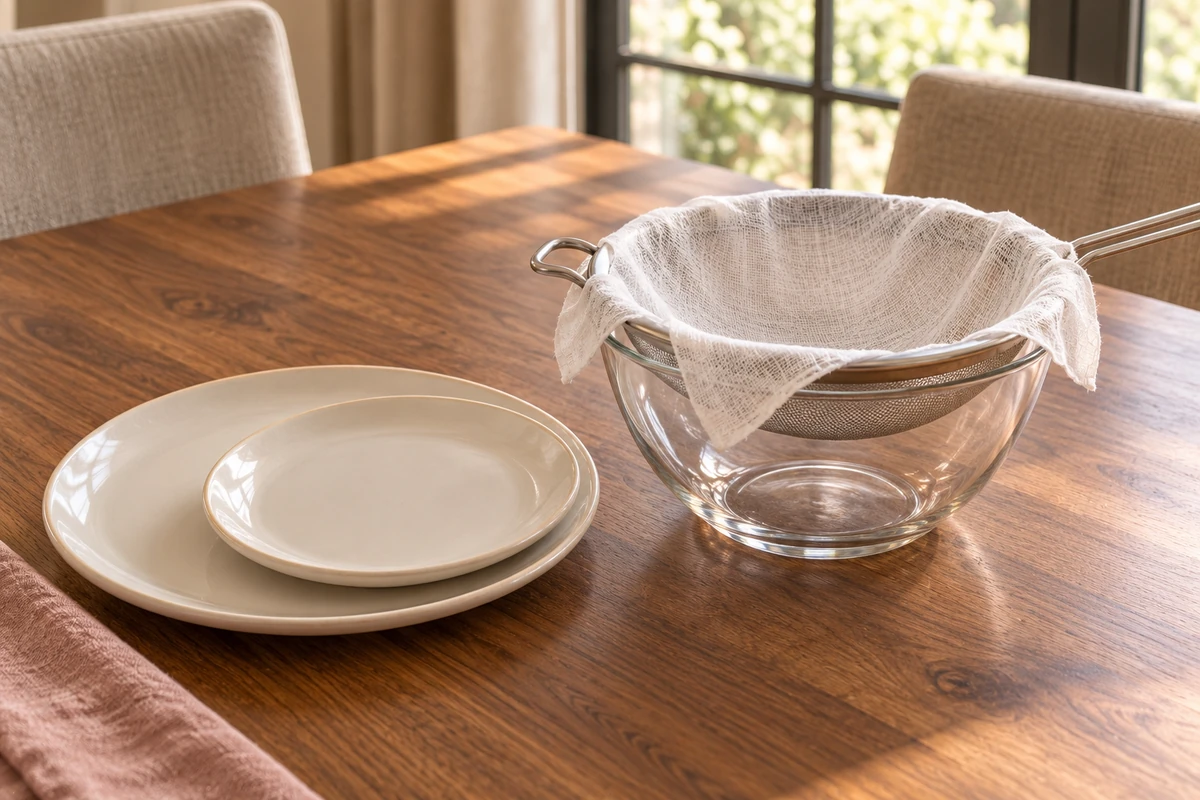
Use homemade yogurt already tolerated in the baby’s dairy sequence. For the yogurt-cheese technique, Sandor Katz describes hanging finished yogurt in fine cheesecloth or a tea towel over a bowl so the whey drains away, leaving a thicker yogurt cheese called labneh.[6]
Begin with a very small amount of the finished yogurt cheese and increase gradually.[1] Leave out honey for babies younger than 12 months because of infant botulism risk.[5]
Use homemade live yogurt fermented for at least 24 hours. The 2020 book calls that preparation lactose-free. The official GAPS FAQ adds that residual lactose varies and gives a 36-hours-or-longer option for especially sensitive people.[2][3]
Add GAPS Bread
Use one of the GAPS bread recipes from the book. Begin with one small piece per day and increase the amount gradually.[1]
Choose a complete GAPS bread recipe using ingredients already introduced. For a nut- or seed-flour loaf, the 2020 book requires fermented flour before baking.[2]
Move Into Suitable Full GAPS Family Meals
Once the baby reaches Full GAPS, begin adding small amounts of natural salt. The book says you no longer need to cook separately for the baby. Use the meat stock and other suitable GAPS foods already being prepared for the family.[1]
Take the baby’s portion from the family meal in the texture and amount already tolerated. Reaching this point does not make every adult-size portion, preparation or unintroduced ingredient automatically suitable.
Use the GAPS Diet Food List when checking the broader Full GAPS menu.
Track the New Foods
Record the scrambled egg or omelet as a cooked whole-egg meal, raw apple separately from cooked apple or apple in juice, banana as its own fruit, cream cheese as a new homemade dairy form, and bread by the exact recipe used.
Bring the Whole Sequence Into the Kitchen
My Baby’s First Foods Cookbook brings together the preparations and textures used through the Baby GAPS sequence. It is listed in the WFLI shop.
Use Stool and Skin as Response Cues
The New Baby chapter says some foods may need to wait longer. Loose stool or constipation after a new food means removing that food, waiting a few weeks and trying again. A new skin rash or sudden eczema flare is another named response. The baby’s response controls the pace even after the calendar reaches Week 10.[1]
Frequently Asked Questions
Does Full GAPS Mean Every Adult GAPS Food?
No. It means the Baby GAPS sequence has reached suitable Full GAPS family meals. The baby still eats established ingredients in an appropriate texture and amount. The broader GAPS food rules still apply.[1]
Is Week 10 a Hard Deadline?
No. The book says some foods may need to be introduced later and uses stool and skin responses to guide the pace.[1]
When Is Natural Salt Added?
The source begins small amounts of natural salt after the baby reaches Full GAPS at this point in the sequence.[1]
How Much Whole Egg and Fruit?
The Week 10 passage says to try a small amount of each. It does not assign two eggs per day or a one-teaspoon fruit target. Begin small and increase gradually when tolerated.[1]
References
- Campbell-McBride, Natasha. GAPS: Gut and Psychology Syndrome, expanded second German edition (2015), Part 4, “New Baby,” “Introducing Solid Foods,” Week 10 and Beyond.
- Campbell-McBride, Natasha. Gut and Physiology Syndrome (2020), “Food” and “Yogurt, Kefir and Sour Cream”: homemade fermented dairy, the 24-hour yogurt statement, and the fermented nut- and seed-flour requirement.
- GAPS official FAQs, Dairy question 9 and Fermented Foods question 2: residual-lactose qualification and the longer-fermentation option for sensitive people.
- American Academy of Allergy, Asthma & Immunology. Allergy Testing.
- Centers for Disease Control and Prevention. Foods and Drinks to Avoid or Limit, April 14, 2026.
- Katz, Sandor Ellix. The Art of Fermentation, yogurt and labneh: straining finished yogurt through fine cheesecloth or a tea towel to make yogurt cheese.

Leave a comment