

GAPS Diet Stage 1 focuses on homemade meat or fish stock, soup made from that stock, probiotic foods normally added from day one, and ginger, mint, or camomile tea between meals.[1] Those are the foods listed for this stage. The 2020 book describes the first stage as providing concentrated nourishment for gut-lining renewal while removing fiber and other substances that may irritate it.[1]
Read my complete guide to the GAPS Introduction Diet to see how Stage 1 fits into all six stages. This article stays with Stage 1 itself: what to make, how to make it and what to expect while you are on it.
Help With the Everyday Work of Intro. If you would like more help planning meals and organizing your kitchen routines, my First 30 Days on Intro GAPS: Stages 1–6 course brings the teaching and practical tools together. You can find the course in the WFLI shop catalog.
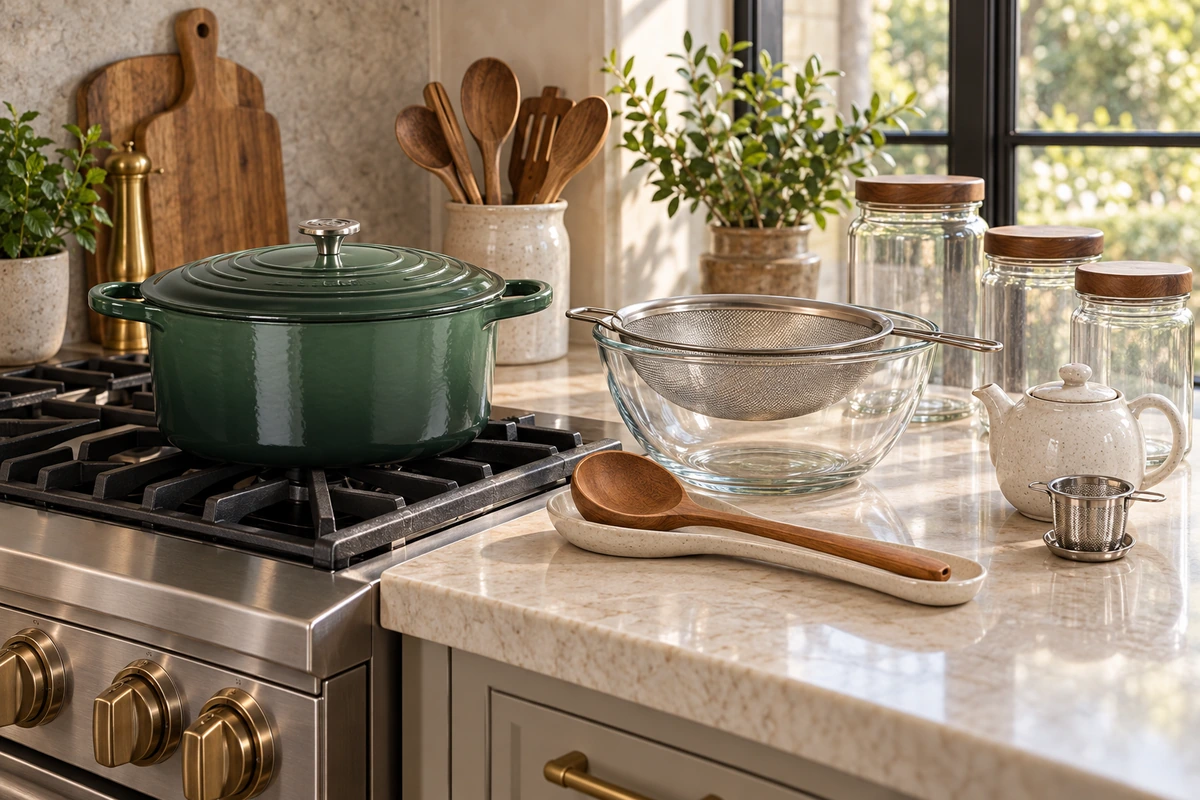
The Meat Stock, Not Bone Broth
GAPS is specific here: this is meat stock, not bone broth, and the difference matters for Stage 1. You need joints, bones, a piece of meat still on the bone, a whole chicken, or feet and giblets from chicken, goose, or duck. Bones and joints are essential in this Stage 1 stock because they provide the gelatinous and connective tissues the source emphasizes; muscle meat alone is not the Stage 1 stock. Ask your butcher to cut large tubular bones in half so you can get at the marrow after cooking.[2]
Use a large stainless steel or enameled cast-iron pot.[8] For a chicken batch, follow my chicken meat stock recipe. It adapts Rachael Mamane’s Basic Chicken Stock to keep it plain for Intro, using raw meaty chicken parts, a gentle uncovered simmer, and salt added at the end.[10] Follow the complete cooking and cooling steps for that batch. Chicken stock is the gentle starting option named in GAPS.[1]
Once it’s cooked, take the bones and meat out and sieve the stock to remove small bones and peppercorns. Strip the soft tissue off the bones for soup, and extract the marrow from large tubular bones while they’re still warm by banging the bone on a thick wooden chopping board. The source treats that gelatinous tissue and marrow as especially important nourishment in this stage. Eat them with every meal.[2]
In her 2020 GAPS book, Dr. Campbell-McBride says plain finished stock keeps in the fridge for at least a week.[2] The chicken recipe linked here follows Mamane’s shorter instruction: refrigerate for up to 2 days or freeze smaller portions for longer storage.[10] Drink it warm, all day, with meals and between them. Consume the fat in the stock and off the bones, unless you have trouble digesting fats. GAPS includes that exception while explaining the importance of these fats.[2] Warm it on the stove, never in a microwave. GAPS states plainly that microwaves destroy food, and that carries through the whole diet, not just this stage.[2] Skip commercial stock granules or bouillon cubes. They’re processed and won’t do this job.[3]
Turning the Stock into Soup
Bring some of your stock to a boil and add chopped or sliced non-fibrous vegetables: onion, carrot, broccoli, cauliflower, courgette, marrow, squash, pumpkin, or leek. You can also add a handful of homemade fermented vegetables and cook them in the stock together with the fresh vegetables. Simmer 25 to 35 minutes until the vegetables are really soft. When they are cooked, add 1 to 2 tablespoons of chopped garlic, bring the soup back to a boil, then turn off the heat. Leave out fibrous vegetables like cabbage and celery, and strip any fibrous parts, skins, or seeds from what you do use.[3] Eat the soup with the bone marrow, meat, and soft tissue you pulled off the bones, as often through the day as you want. For this prepared Intro soup, Dr. Campbell-McBride gives a 5 to 6 day refrigerator window in the Introduction Diet chapter.[3]
Introducing Probiotic Foods
Probiotic foods normally go into every cup of stock and every bowl of soup from the beginning, with the amount increasing gradually. If you are very sensitive to histamine or other biogenic amines, the book allows starting Intro without fermented foods, then trying tiny amounts as tolerance allows.[12] For the usual introduction of juice from homemade sauerkraut, fermented vegetables, or vegetable medley, start with 1 to 2 teaspoons a day for 2 to 5 days, then 3 to 4 teaspoons a day for another 2 to 5 days. Continue gradually until you can add a few teaspoons to each serving. Use the juice for these live probiotic additions; the unheated fibrous vegetables come later. Add probiotic food only after the stock or soup has cooled enough that heat will not destroy the live microbes.[4]
Dairy has its own introduction sequence. If you have a known or suspected dangerous dairy allergy, keep dairy out. A home sensitivity test is not permission to try a food that could cause anaphylaxis, a severe allergic reaction.[11] The book’s gradual whey introduction uses a sensitivity test with whey drained from homemade yogurt. If there is no reaction, begin with 1 teaspoon of whey a day in soup or stock. After 2 to 5 days, increase to 2 teaspoons a day, then increase gradually until you are having 1/2 cup of whey a day with meals. At that point, try 1 teaspoon a day of homemade yogurt without dripping it, increasing gradually. Homemade sour cream fermented with yogurt culture can be introduced in parallel with yogurt. Kefir follows yogurt because the book describes its reaction as more pronounced; when yogurt causes no reaction, kefir may be introduced almost from the beginning. If you already consumed fermented dairy before Intro without negative reactions, continue your usual tolerated amounts. A clear dairy reaction routes to the separate Dairy Introduction Structure.[4]
When Stage 1 Needs to Be Narrower
For profuse watery diarrhea, the 2020 book removes vegetables until the diarrhea begins settling. It uses warm meat stock with probiotic food every hour, well-cooked gelatinous meat or fish, and gradual consideration of raw egg yolk. If dairy is tolerated, the preferred probiotic forms are fresh homemade whey drained from homemade yogurt, sour cream, or yogurt; otherwise use juice from home-fermented vegetables. If the diarrhea persists, the source points to No-Plant GAPS or GAPS Liquid Fasting.[7]
Chronic constipation has a separate starting route. The book recommends beginning with Full GAPS because removing fiber on Intro can make constipation worse. Once constipation has resolved on Full GAPS, Intro can be attempted.[9]
The dairy branch also changes with stool pattern. The source says fermented dairy can help firm diarrheal stools, while people prone to chronic constipation should begin with fermented-vegetable juice and be cautious with high-protein dairy such as yogurt, fresh homemade whey, kefir, and cheese.[4]
Ginger Tea Between Meals
Round out the stage with ginger, mint, or camomile tea and a little honey between meals. For ginger tea, grate about a teaspoon of fresh or frozen ginger root into a small teapot, pour boiling water over it, cover, and let it sit 3 to 5 minutes before straining.[5]
What This Looked Like for Us
In our kitchen, the first pot of meat stock starts in the morning. That daily routine keeps warm stock or soup available through the day and is what makes the rest of the GAPS routine manageable for our family.
How Long to Stay on Stage 1
There’s no set number of days. On the first two stages of the Introduction Diet, most digestive symptoms, diarrhea, abdominal pain, bloating, start easing up.[6] Some people move through Stage 1 in a day or two. If a new food brings those symptoms back when you try to move forward, that’s your gut telling you it isn’t ready yet. Go back and wait a week before trying again.[6] Once your gut is ready, Stage 2 adds raw egg yolks and your first stews.
Common Questions About GAPS Stage 1
Can I Use a Leftover Roast Chicken Carcass Instead of a Raw Bird?
Use the Stage 1 meat-stock formula: raw joints and bones with meat still attached, or a whole bird with its feet and giblets.[2] A stripped roasted carcass on its own is not the formula given for this stage, so do not substitute it for the raw meaty bones or whole bird.
Do I Have to Eat the Fat in the Stock?
Yes, as much as you can manage, unless you have trouble digesting fats. The book includes that exception while explaining why fat stays with the stock.[2]
Can I Add the Sauerkraut Itself Instead of Just the Juice?
For live probiotic additions, Stage 1 uses fermented-vegetable juice rather than the unheated vegetables themselves; those solids begin in Stage 3. There is a separate Stage 1 soup option: the book allows a handful of homemade fermented vegetables cooked in stock with fresh vegetables. Cooked fermented vegetables are not a replacement for the unheated probiotic additions.[3][4]
What If I Can’t Cook Every Day?
Make a large pot when you can, then divide it into portions. Freeze any of the linked chicken stock you will not use within 2 days.[10] The 5 to 6 day refrigerator window in this guide comes from the GAPS Introduction Diet chapter and applies to prepared Intro soup, not that plain chicken-stock recipe.[3] One cooking session can cover several days of meals.
References
- Campbell-McBride, N. Gut and Physiology Syndrome (2020), “GAPS Introduction Diet,” purpose and First stage.
- Campbell-McBride, N. Gut and Physiology Syndrome (2020), “GAPS Introduction Diet,” First stage, homemade meat or fish stock; “What We Shall Eat and Why, With Some Recipes,” Meat stock.
- Campbell-McBride, N. Gut and Physiology Syndrome (2020), “GAPS Introduction Diet,” First stage, homemade soup.
- Campbell-McBride, N. Gut and Physiology Syndrome (2020), “GAPS Introduction Diet,” First stage, probiotic foods and dairy introductions.
- Campbell-McBride, N. Gut and Physiology Syndrome (2020), “GAPS Introduction Diet,” First stage, ginger, mint or camomile tea.
- Campbell-McBride, N. Gut and Physiology Syndrome (2020), “GAPS Introduction Diet,” symptom-led progression and one-week retry rule, printed pp. 168-169.
- Campbell-McBride, N. Gut and Physiology Syndrome (2020), “GAPS Introduction Diet,” profuse watery diarrhea exception.
- Campbell-McBride, N. Gut and Physiology Syndrome (2020), “What We Shall Eat and Why, With Some Recipes,” non-toxic kitchenware.
- Campbell-McBride, N. Gut and Physiology Syndrome (2020), “GAPS Introduction Diet,” when to begin with Full GAPS, chronic constipation.
- Mamane, R. Mastering Stocks and Broths (2017), “Guidelines for Making Stocks and Broths” and “Basic Chicken Stock,” printed pp. 88 and 166-167; chicken-stock method and up-to-2-day refrigerated storage. The linked WFLI recipe is a plain GAPS adaptation.
- Campbell-McBride, N. Gut and Physiology Syndrome (2020), Dairy Introduction Structure, severe dairy allergy; Food Allergy, dangerous anaphylactic-type allergy exception.
- Campbell-McBride, N. Gut and Physiology Syndrome (2020), “Histamine and Other Biogenic Amines,” individualized Intro and the initial no-fermented-food exception for very sensitive people.

Leave a comment