

Dr. Natasha Campbell-McBride does not describe Candida as a simple invader that should be killed as hard and fast as possible. In Gut and Physiology Syndrome, Candida belongs to a larger fungal community that can be useful in a balanced gut and troublesome when the microbial ecosystem loses its balance.[1]
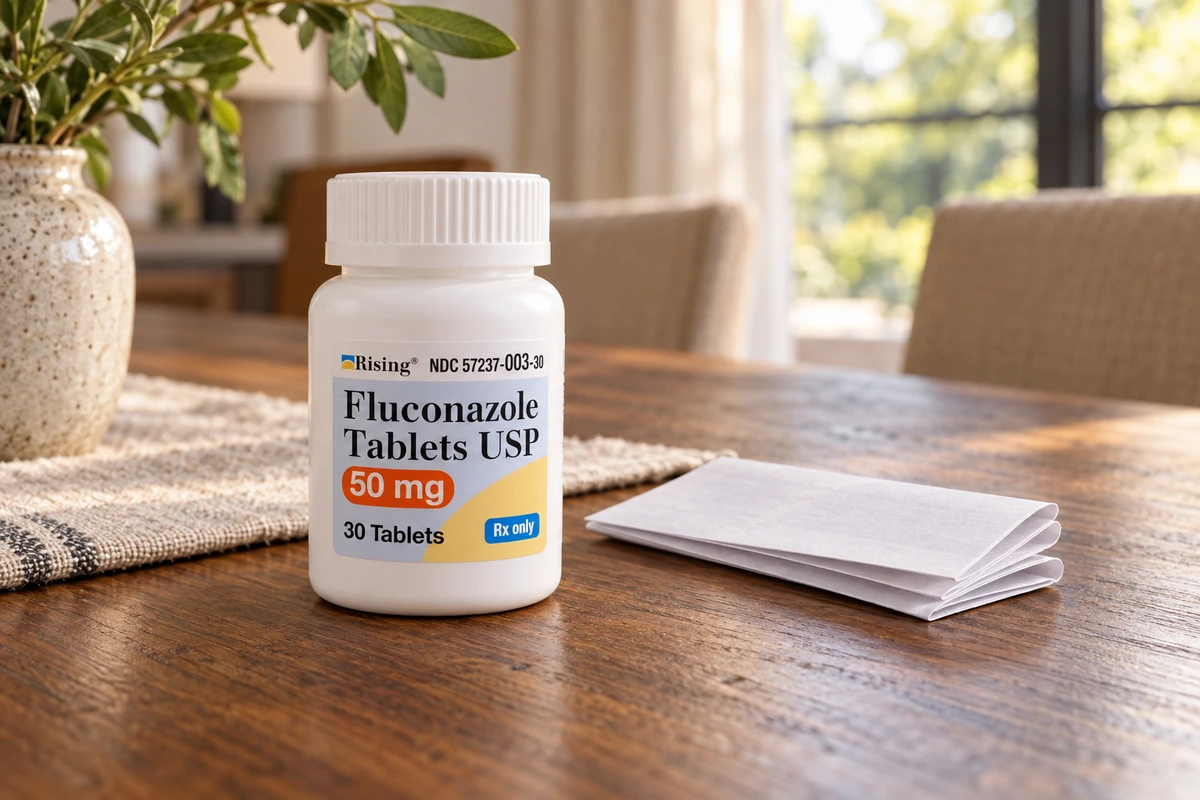
In Campbell-McBride’s explanation, killing fungi can release metals and other substances they have retained while leaving the underlying microbial imbalance unchanged. This is the GAPS model discussed here; worsening symptoms alone cannot establish that toxin release is their cause.[1]
The Protective Role GAPS Gives Candida
The book says Candida is a normal part of the human microbiome. In a diverse, balanced gut flora, it is beneficial. Dr. Natasha describes one of its jobs as absorbing and retaining mercury and other toxic metals.[1]
She uses dental amalgam as the clearest example. When mercury continues leaching into the body, the fungal population may keep growing because the body is using it to bind that toxic load.
What Happens When Antifungals Kill the Fungi
Dr. Natasha writes that attacking Candida with an antifungal drug also attacks other fungi that may be doing useful work. As the fungi die, the mercury and other toxins they retained are released back into the system. She reports patients becoming severely ill after an antifungal course for this reason.[2]
The book describes this sequence:
- Fungi expand in an unbalanced, toxic environment.
- The fungal community binds part of that toxic load.
- An antifungal kills fungi and, in the book’s account, releases what they retained.
- Campbell-McBride attributes some worsening during treatment to that release.
- Fungi regrow when treatment stops because the original environment has not changed.
Why Candida Grows Back
The book calls fungi Nature’s decomposers. They grow where dead, damaged, or toxic material needs to be broken down and recycled. If that material remains, simply killing the fungal population leaves the reason for its growth in place.[2]
Campbell-McBride therefore argues for addressing the wider gut ecosystem rather than Candida in isolation. Her long-term GAPS approach emphasizes microbial diversity and the bacteria that help keep fungal growth in balance.[2]
Antibiotics and the Fungal Imbalance
The book connects many cases of fungal overgrowth with antibiotic use. Antibiotics damage bacteria that normally keep fungi under control. When those bacterial populations are reduced, Candida can expand into the space they leave.[3]
That is another reason the solution cannot be “kill Candida” alone. The bacterial side of the community has to recover too.
How GAPS Paces Antifungal Support
The official die-off FAQ gives the pacing rule for natural antifungal and antibacterial remedies: introduce gradually and keep the die-off at a manageable level. New symptoms or an increase in familiar symptoms after an antimicrobial change can fit the die-off pattern.[4]
Use GAPS Die-Off: Symptoms, Timing, and Slower Introductions for the amount, timing, food-intake, and symptom record that helps you slow one change without abandoning the whole protocol.
What the GAPS Protocol Is Trying to Change
- Heal and seal the gut wall.
- Restore a diverse microbial community.
- Increase beneficial bacteria that control fungi.
- Rebuild the body’s own detoxification system.
- Reduce the toxic and damaged material that supports overgrowth.
For the related questions about food reactions and tolerance, read Histamine and GAPS: Food Freshness and Tolerance Guide and GAPS Reaction, Intolerance, or Allergy: What It Means. They explain what belongs in the record when several changes overlap.
Slow One Change at a Time
The Die-Off & Reaction Log is listed in my shop for recording the food or product, amount, timing, and response. You can begin with those same headings in a notebook.
Frequently Asked Questions
Does GAPS Say Candida Is Always Harmful?
No. The book describes Candida as a normal, useful part of a balanced microbiome that becomes problematic when the ecosystem is damaged.
Why Can an Antifungal Make Symptoms Worse?
In the GAPS explanation, dying fungi release mercury and other toxins they were holding. A fast release can exceed what the body handles comfortably.
Why Does Candida Return After Treatment?
In Campbell-McBride’s explanation, fungal overgrowth can return when the gut environment and microbial imbalance that supported it remain. That explanation does not tell you why a particular diagnosed infection has recurred.[2]
What Is the Long-Term GAPS Answer?
The GAPS approach aims to restore microbial balance and support the gut and the body’s detoxification systems. Those are the protocol’s aims, not a promise that an infection will resolve without its prescribed treatment.[2][5]
Your Next Step
Write down the exact medicine or remedy, amount, timing, and symptoms. For a prescribed antifungal, contact the prescriber before changing the amount or course. The FAQ’s gradual-introduction advice for natural remedies is not a prescription-adjustment schedule.[4][5] Trouble breathing, throat swelling, or collapse needs emergency care, not a trial of a smaller amount.[6]
References
- Campbell-McBride, Natasha. Gut and Physiology Syndrome. 2020. “Fungi”: Candida in the microbiome and the author’s metal-binding explanation.
- Campbell-McBride, Natasha. Gut and Physiology Syndrome. 2020. “Fungi”: antifungal treatment, reported worsening, regrowth, and restoration of microbial balance.
- Campbell-McBride, Natasha. Gut and Physiology Syndrome. 2020. “Fungi”: beneficial bacteria, antibiotics, and fungal overgrowth.
- Campbell-McBride, Natasha. Official GAPS FAQs. “Die-off reaction,” questions 2–4.
- Centers for Disease Control and Prevention. Treating Fungal Diseases With Antifungals. Follow the prescribed treatment directions.
- NHS. Anaphylaxis: symptoms and emergency response.

Leave a comment