

Sweet, juicy watermelon makes a refreshing sherbet, even when the fruit is a little too soft for neat slices. Blended with homemade coconut milk, a small measured amount of gelatin, filtered water, and homemade vanilla, it becomes a pale coral frozen treat with no added sweetener.
Between homeschooling six children and working, I understand the value of keeping kitchen tasks manageable. This small batch uses just two cups of watermelon, so it is a useful way to finish cut fruit without filling the freezer. You can churn it in an ice cream maker or use a prechilled pan and stir it as it freezes.
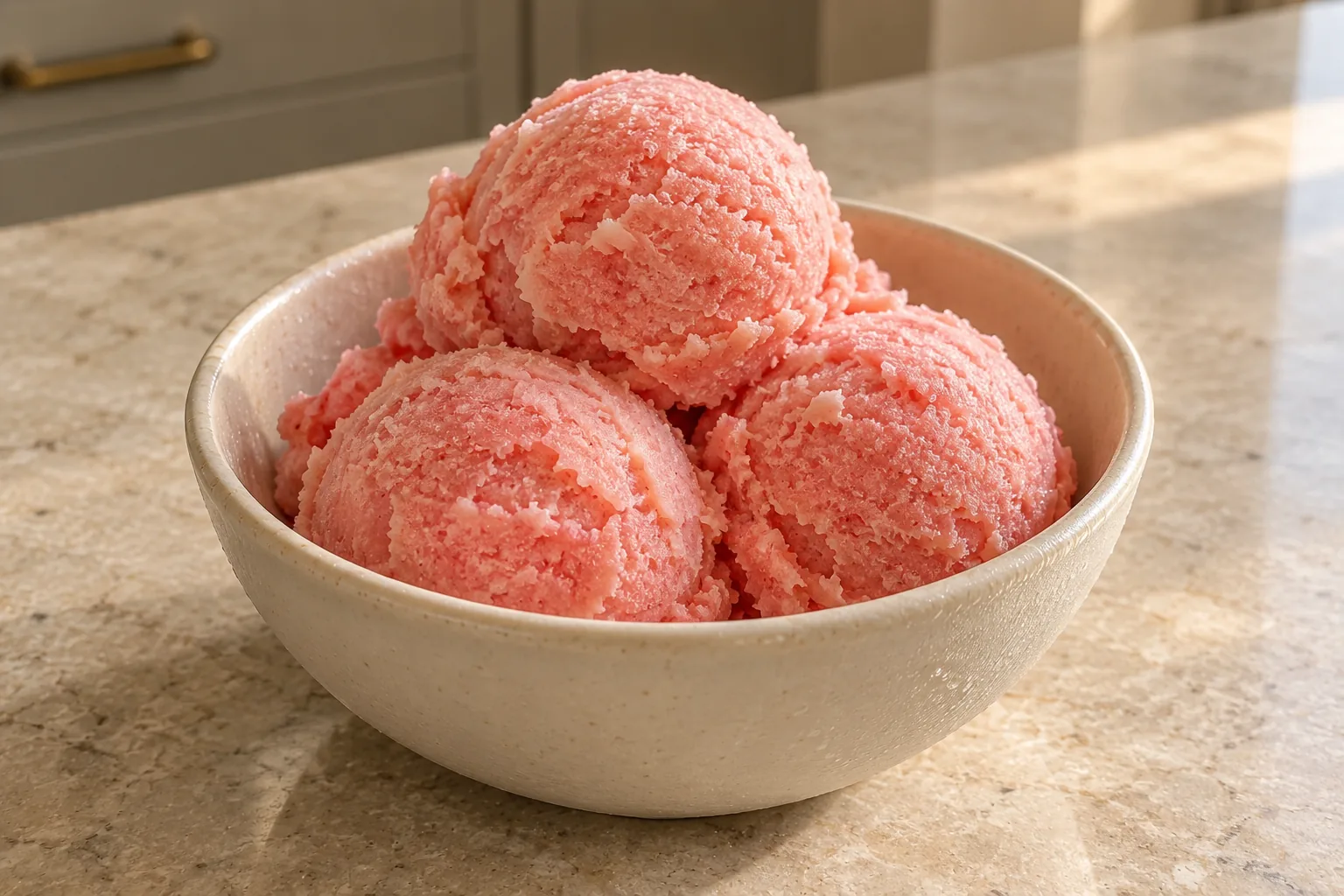
Where This Sherbet Fits on GAPS
This is a Full GAPS recipe after watermelon, homemade coconut milk, plain gelatin, and homemade vanilla have each been introduced and tolerated. It is not an Introduction Diet recipe. The fruit and coconut milk make it more substantial than a frozen juice, while the gelatin helps the blended mixture hold a smoother scoop.
Use Hot-Water Homemade Coconut Milk without gums, sugar, or other additives. Use one teaspoon of Homemade Vanilla Extract made without added sugar or non-GAPS ingredients. Commercial coconut milk and opaque vanilla flavorings do not replace those components.
There is no added honey in this sherbet, so choose watermelon that tastes sweet on its own. The coconut milk rounds the edges without turning the sherbet white, and the vanilla should sit quietly behind the melon rather than making the bowl taste like vanilla ice cream.
Choose Watermelon for Flavor
Measure two cups of seedless watermelon flesh. A crisp melon works, but this is especially useful for a melon that tastes ripe and sweet while feeling a little too soft for neat slices. Trim away the rind and any pale hard edge before filling the measuring cup.
The watermelon should smell fresh and clean, with no fermented or sour odor. Its flesh should be red or deep pink and juicy. Softness is useful here because everything will be blended; slippery decay, fizzy juice, mold, or an off smell means the melon should not be used.
Cut the fruit into roughly one-inch pieces so it settles evenly into the blender pitcher. Remove any dark seeds you find. Use fresh watermelon here. The complete mixture is frozen or churned after blending.
Let the watermelon pieces settle naturally into a two-cup measure without crushing them down. Keeping that amount steady matters because an extra wedge of juicy melon can dilute the coconut milk and gelatin enough to change the frozen texture.
Bloom and Dissolve the Gelatin
Measure exactly one-quarter cup filtered water. Sprinkle one teaspoon plain, additive-free gelatin evenly across the surface and let it stand until the granules have absorbed the water. The bloom changes from dry speckles to translucent swollen granules with no powdery patches.
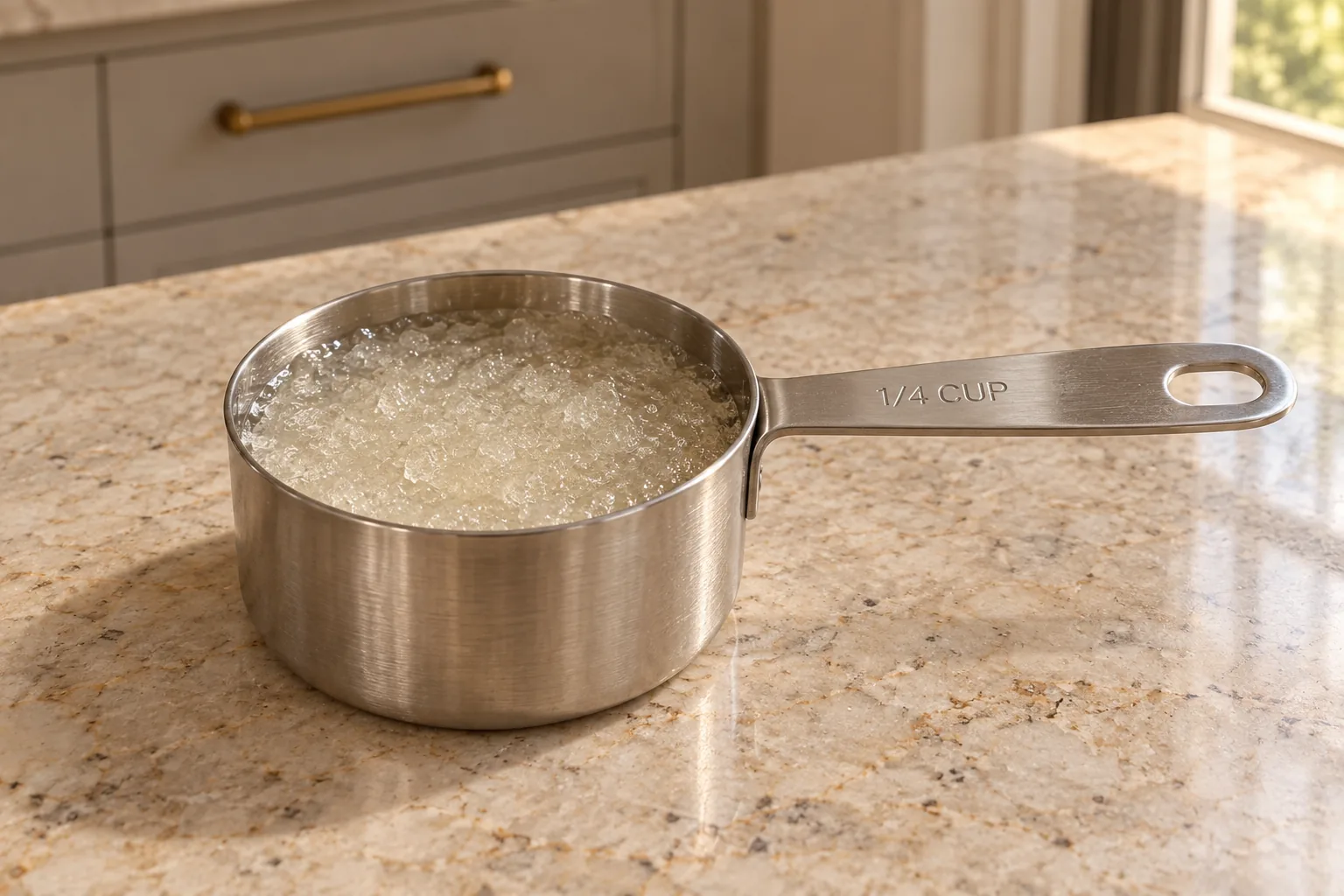
Transfer the bloom to a small stainless saucepan and warm it over the lowest heat, stirring gently, until the liquid is clear and completely fluid. Remove it before simmering. Let it cool briefly while you load the blender; it should remain pourable rather than setting into threads or a soft gel.
Do not add extra bloom water. The one-quarter cup is part of the sherbet mixture. More water makes the finished texture icier, while less water can leave gelatin granules that never disperse through the fruit.
Blend the Sherbet Base
Put the two cups watermelon, one-half cup homemade coconut milk, and one teaspoon homemade vanilla in the Ninja BN801 pitcher. The pitcher has room for much more, but keep these measured amounts so the sherbet has the intended balance of fruit, coconut milk, and gelatin.
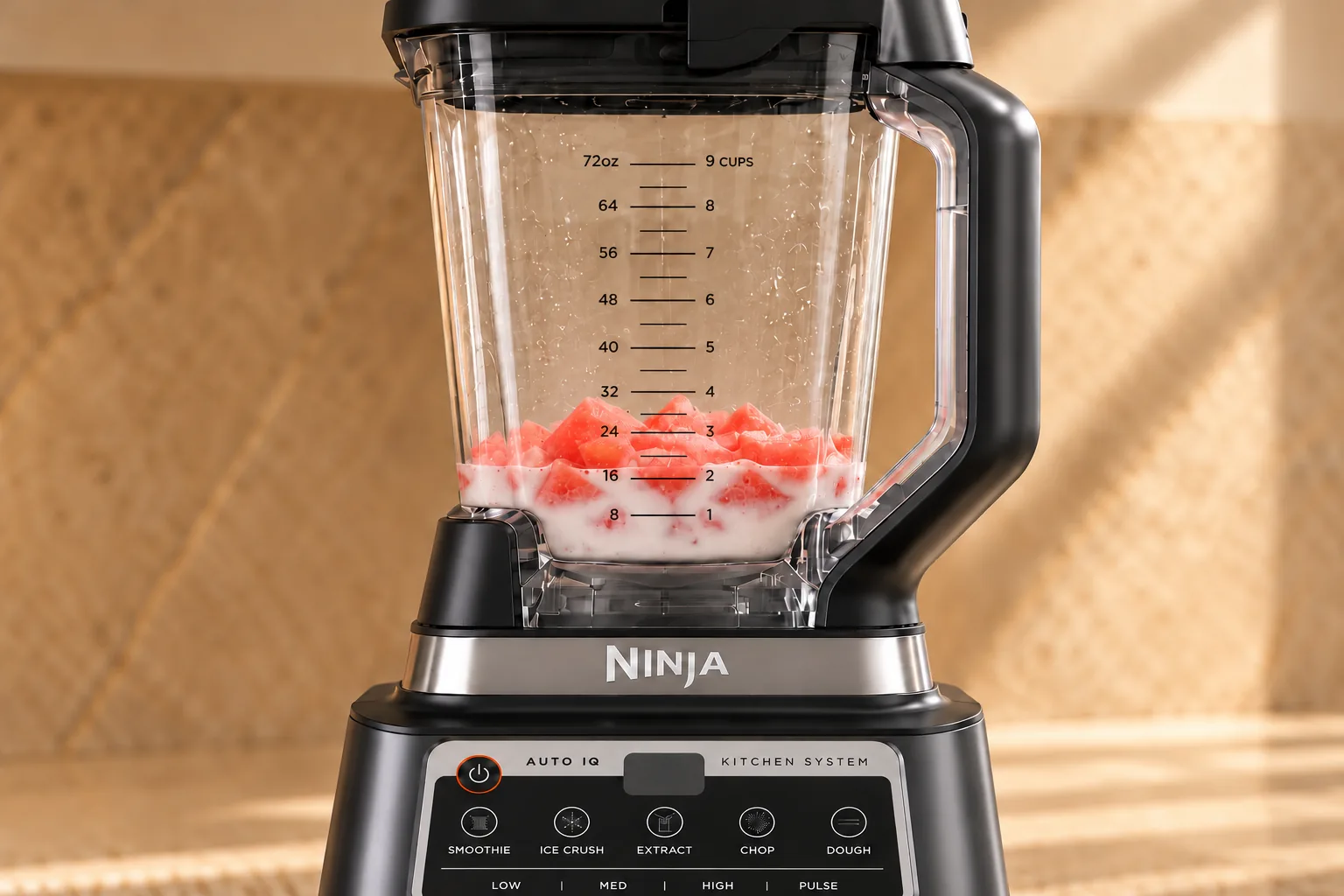
Blend on low just until the watermelon pieces disappear and the mixture becomes evenly coral-pink. Stop and scrape only if a piece remains above the blades. The liquid should look smooth and pourable with tiny natural fruit flecks, not whipped into a tall foam.
With the blender running on low, pour in the cooled dissolved gelatin in a thin stream. Blend only a few seconds after the last of it goes in. The color should remain even, with no clear ribbons, white coconut streaks, or gelatin threads on the pitcher wall.
Turn the blender off before judging the texture. Foam settles quickly, and the liquid underneath should be smooth enough to pour in one continuous ribbon. Rub a drop between two clean fingers if you suspect a gelatin clump: it should feel fluid and lightly thickened, never gritty. If a visible watermelon piece remains, pulse once or twice rather than running the blender until the mixture becomes frothy and warm.
Use the Ice-Cream-Machine Method
If your machine uses a frozen insert, freeze it for at least 24 hours before you begin. Assemble the machine according to its instructions, start it, and pour in the blended sherbet base. Churn until the mixture is thick enough to mound against the paddle instead of moving like a drink.
Churning time varies with the machine and how thoroughly its insert has frozen. Watch the texture: When a spoonful holds a soft rounded ridge, serve it as soft sherbet or transfer it to a covered freezer-safe container for a firmer scoop.
A frozen insert that was not completely solid may cool the mixture without thickening it. If you can hear liquid moving inside the insert when you shake it before assembly, return it to the freezer and use the prechilled-pan method for this batch. Do not add more gelatin to compensate for equipment that is not cold enough.
Use the Prechilled-Pan Method
For the machine-free method, place an 8-by-8-inch freezer-safe pan in the freezer about one hour before blending. Pour the finished base into the cold pan and return it to the freezer. The wide shallow layer freezes more evenly than the same mixture in a deep bowl.
Stir thoroughly every 20 minutes, scraping the frozen edges into the softer center. Early on, the mixture will be slushy around the perimeter. With each stirring it becomes thicker and more evenly frozen. Continue until it reaches the firmness you prefer.
For a scoopable finish, smooth the stirred mixture into an even layer and freeze until it holds together on a spoon. If it becomes very firm, let the covered pan stand briefly in the refrigerator before scooping. Do not microwave it or add liquid to force it soft.
Texture, Serving, and Storage
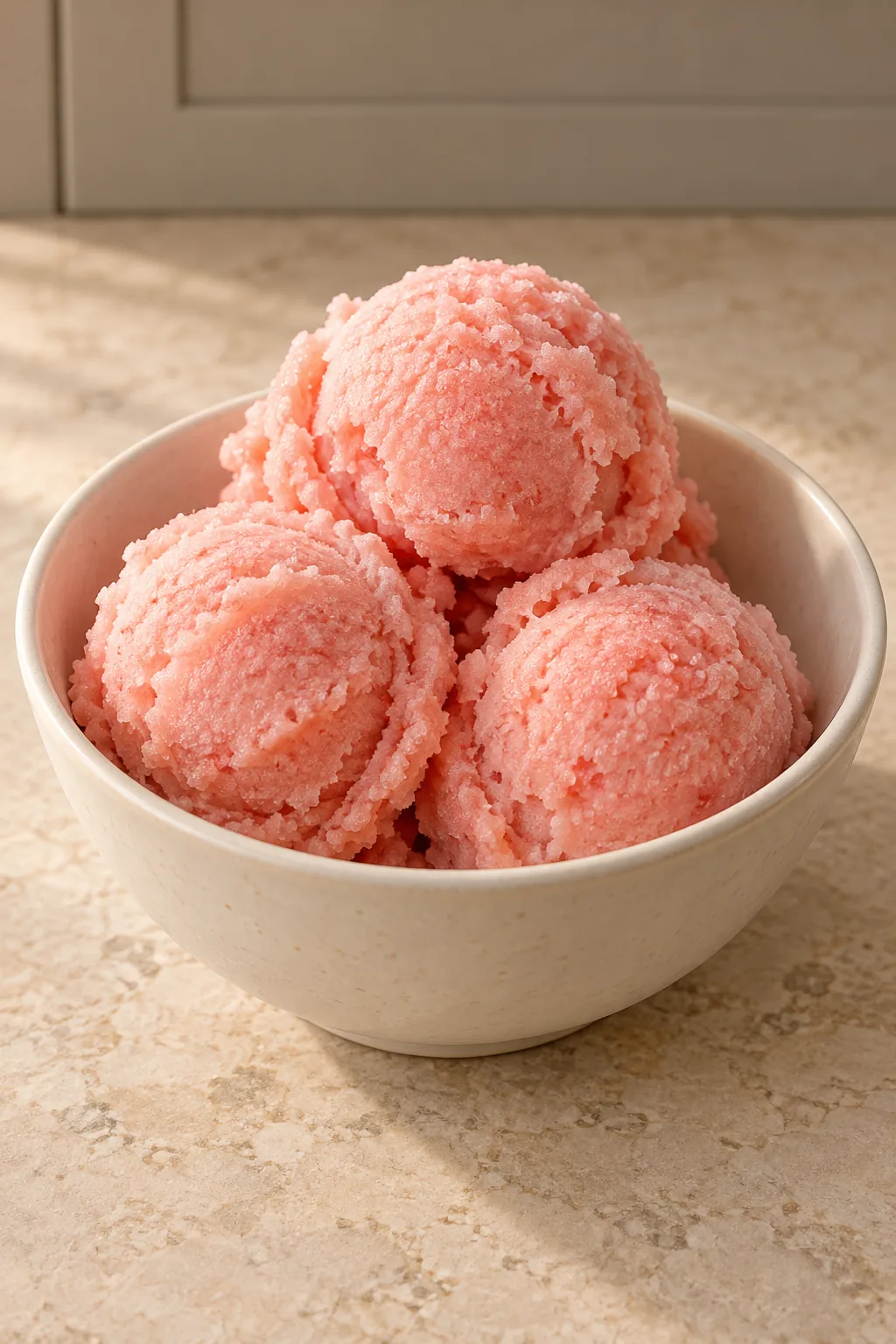
The finished sherbet should be pale coral-pink, cool and creamy from the coconut milk, with a lightly icy fruit texture rather than the high-fat softness of dairy ice cream. A scoop should show irregular ridges and tiny watermelon fibers. It should not feel rubbery, watery, or set like a gelatin dessert.
Serve it immediately after churning for the softest texture. For firmer scoops, freeze it in a shallow covered container. Press a piece of unbleached parchment directly against the surface before closing the lid if you want to limit exposed ice crystals.
Store it covered in the freezer. Because this sherbet has no added honey or other sweetener to soften the freeze, it can become hard after extended storage. Move the container to the refrigerator long enough for the edges to yield to a spoon, then scoop only what you need and return the rest to the freezer.
A wet, glossy puddle around the scoops means the sherbet has softened farther than necessary. A dry, crumbly scoop usually means it is still too cold. The useful serving window is in between: the scoop releases from the spoon, keeps a rounded mound, and shows moist icy ridges without immediately slumping flat.
Recommended Equipment
- Stainless one-quarter-cup measure
- Small Le Creuset stainless saucepan
- Small stainless spoon
- Ninja Professional Plus Kitchen System BN801 with 72-ounce pitcher
- Measuring cups and spoons
- Ice cream maker with a frozen insert, optional
- 8-by-8-inch freezer-safe pan, optional alternate
- Flexible silicone spatula
- Shallow covered freezer-safe container
Frequently Asked Questions
Is This Recipe Sweetened?
It has no added sweetener. Its sweetness comes from the measured watermelon and homemade coconut milk. Choose ripe, flavorful fruit because no added sweetener will make up for bland fruit.
Can I Use Canned Coconut Milk?
No. Use one-half cup homemade full-fat coconut milk without additives. The linked coconut milk recipe walks you through making it at home.
Can I Omit the Homemade Vanilla?
Use the measured teaspoon of homemade vanilla extract without added sugar or non-GAPS additives. It adds a gentle vanilla flavor alongside the watermelon and coconut milk.
Why Is the Gelatin Bloomed First?
Blooming lets every granule absorb water before gentle warming. Fully dissolved gelatin then disperses through the cold fruit mixture instead of forming dry clumps or clear strings.
Can I Freeze the Watermelon Before Blending?
Use fresh watermelon for this recipe. Blend it with the coconut milk and dissolved gelatin, then freeze or churn the complete base.
Why Did My Sherbet Freeze So Hard?
This sherbet has no added honey and can become very firm in the freezer. Let the covered container soften briefly in the refrigerator. Adding extra liquid changes the ratio and makes the next freeze icier.
Can I Double the Recipe?
Yes. Use four cups watermelon, one cup homemade coconut milk, one-half cup filtered water, two teaspoons gelatin, and two teaspoons homemade vanilla. Churn in batches if doubling exceeds your machine’s working capacity.
Watermelon Coconut Milk Sherbet Recipe
Watermelon Coconut Milk Sherbet for Full GAPS
Ingredients
Equipment
Method
- If using an ice cream maker with a frozen insert, freeze the insert for at least 24 hours. For the alternate pan method, place an 8-by-8-inch freezer-safe pan in the freezer about 1 hour before blending.
- Pour the filtered water into a stainless one-quarter-cup measure or small bowl. Sprinkle the gelatin evenly over it and let it stand until the granules are swollen and translucent with no dry powder.
- Transfer the gelatin bloom to a small stainless saucepan. Warm over the lowest heat, stirring gently, just until clear and fully fluid. Remove before simmering and let cool briefly while keeping it pourable.
- Put the watermelon, homemade coconut milk, and homemade vanilla in the true-size Ninja BN801 pitcher. Blend on low just until the watermelon disappears and the mixture is evenly coral-pink with tiny natural fruit flecks.
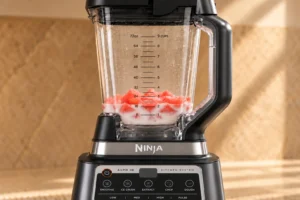
- With the blender running on low, pour in the cooled dissolved gelatin in a thin stream. Blend only a few seconds after the last of it goes in, until no clear ribbons, white coconut streaks, or gelatin threads remain.
- Start the assembled machine and pour in the blended base. Churn until the mixture is thick enough to mound against the paddle and a spoonful holds a soft rounded ridge. Serve soft or transfer to a covered freezer-safe container for a firmer scoop.
- Pour the blended base into the prechilled 8-by-8-inch pan. Freeze and stir thoroughly every 20 minutes, scraping the frozen edges into the softer center, until the sherbet reaches the firmness you prefer.
Notes
Tried this recipe?
Let us know how it was!More Homemade Frozen Treats
The planned Frozen Treats Cookbook will bring together GAPS yogurt pops, honey ice creams, sherbets, and frozen fruit bites with their exact stage and texture cues. Find current resources and upcoming releases in the WFLI shop.

Leave a comment