

This fresh-pressed apple juice jello is a simple Full GAPS dessert made with two ingredients: freshly pressed apple juice and pure gelatin. It makes a clear honey-gold mold with a clean fruit flavor. Suitable permitted juices that use the same one-tablespoon ratio are covered as variations below.
The method is just as important as the short ingredient list. Bloom the gelatin in one-half cup juice, warm that portion only until the gelatin dissolves, then take the pan off the heat before stirring in the remaining juice. The finished jello should be clear, smooth, softly firm, and easy to slice after a full chill.
GAPS placement: Full GAPS
Prep: About 10 minutes
Chill: At least 3 hours
Yield: 4 servings
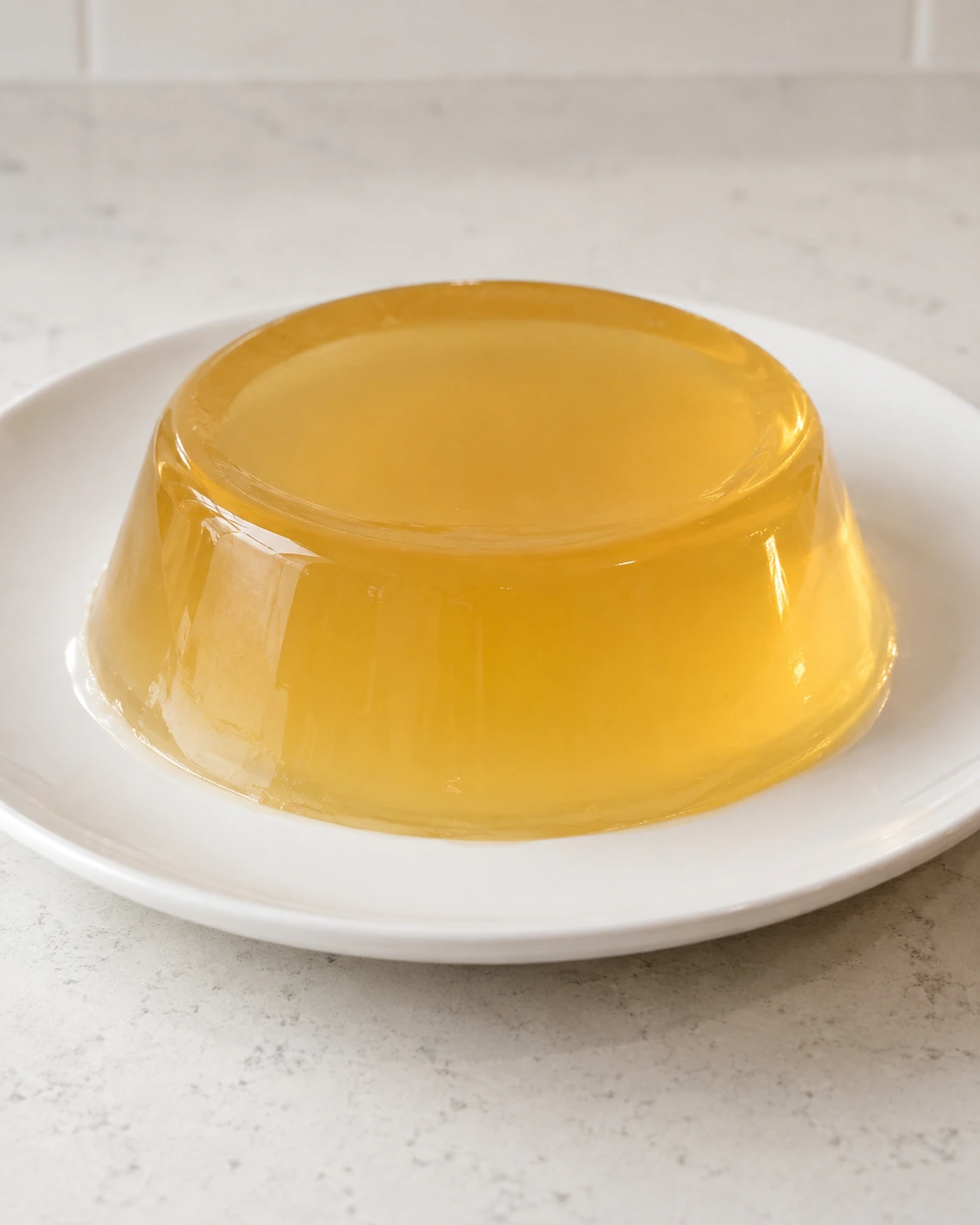
One of the hardest parts of changing a family kitchen is replacing the foods that feel familiar. When we moved non-GAPS foods out of the house, having simple versions of familiar treats mattered. A two-ingredient jello does that without needing a long shopping list, food coloring, packaged gelatin dessert mix, or a separate sweetener.
It also fits the way I need recipes to work in a busy household. The hands-on portion is short, the mold can set while the rest of the day continues, and the finished dessert divides cleanly into four servings. The waiting is the longest step, so I make it before the meal rather than trying to rush it afterward.
Why This Fresh-Juice Method Works
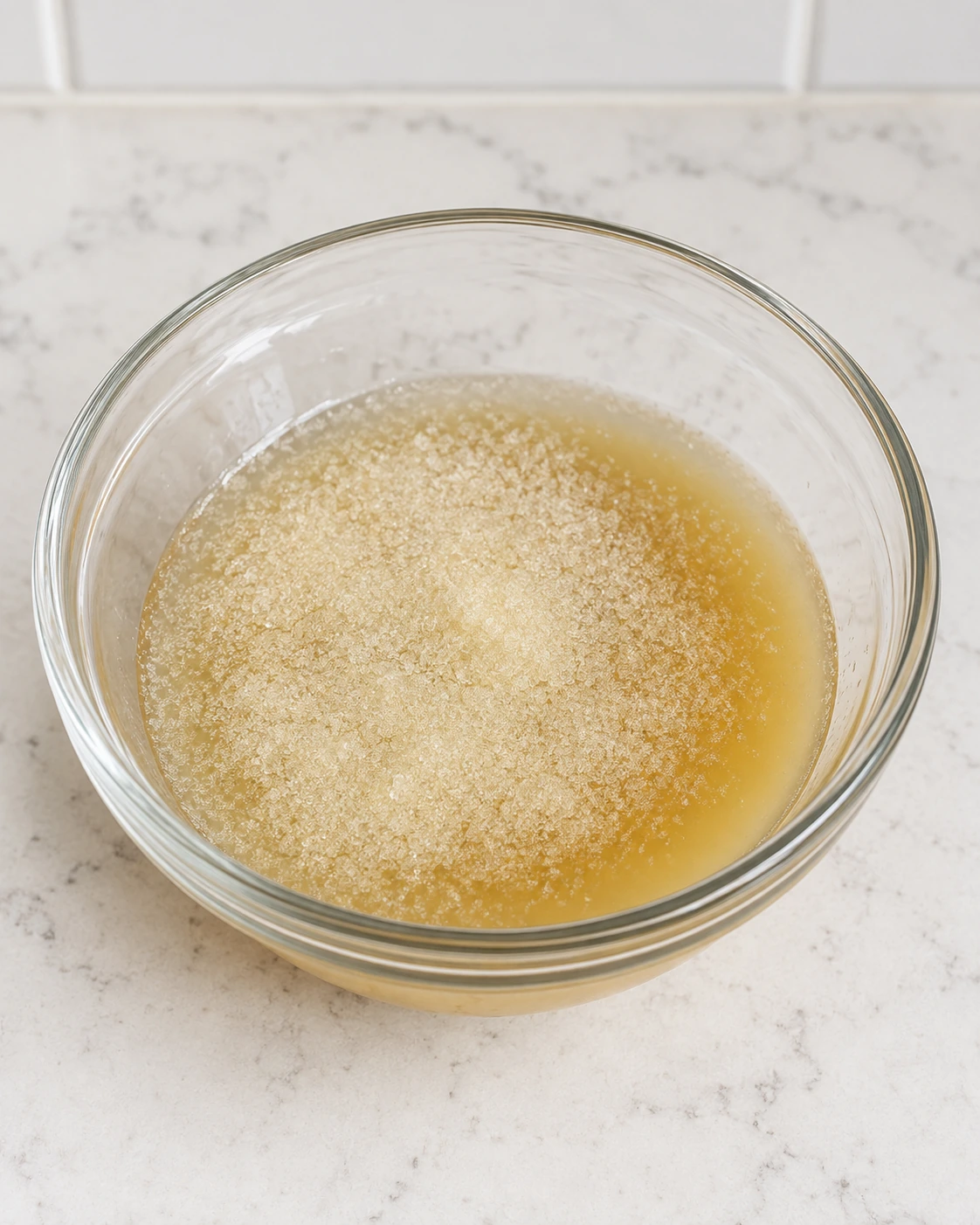
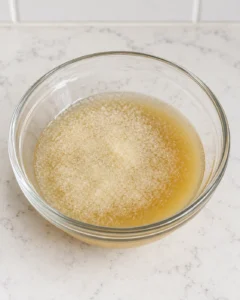
Gelatin needs time to absorb liquid before it is heated. Sprinkling one tablespoon over one-half cup juice spreads the granules across the surface instead of dropping them into a hot pan, where dry pockets can clump together. After about 30 seconds, the surface should look swollen and pebbled rather than powdery.
Warm that first portion for only one to two minutes. You are looking for steam and a little foam, with no simmering. Whisk until the granules disappear, then remove the pan from the heat. The remaining one and one-half cups of fresh juice cool the mixture and preserve more of its fresh flavor.
The one-tablespoon ratio is for a suitable fruit juice such as freshly pressed apple juice or a suitable berry juice. Concord grape juice behaves differently and uses its own two-tablespoon formula. It belongs in a separate recipe card and post so the two ratios never become mixed.
Ingredients
- 2 cups freshly pressed apple juice, divided into 1/2 cup and 1 1/2 cups
- 1 tablespoon pure unflavored gelatin
Freshly pressed apple juice is the photographed version. As convenient as bottled juice is, press the apples fresh for this recipe. GAPS uses freshly pressed juice here, and pressing it yourself lets you know it contains only apples, without added sweeteners, flavors, colors, or preservatives.
Check the gelatin label. It should be plain and unflavored, without colors, sweeteners, or flavor packets. Measure one level tablespoon for the two cups of juice in this post.
Recommended Equipment
- Liquid measuring cup
- Tablespoon measure
- Small stainless-steel saucepan
- Small whisk
- Plain round glass or ceramic gelatin mold
- Flexible spatula or thin knife for releasing the chilled mold
- White ceramic serving plate
A clear glass mold lets you see whether any undissolved gelatin has settled before the mixture chills. Set the mold on a flat shelf in the refrigerator so the finished jello is even from edge to edge. Current kitchen-tool links are collected in the WFLI shop.
Make the Fresh-Pressed Apple Juice Jello
- Bloom the gelatin. Pour one-half cup freshly pressed apple juice into the small saucepan. Sprinkle one tablespoon pure gelatin evenly over the surface. Let it absorb the juice for about 30 seconds, then whisk it in.
- Dissolve gently. Warm the mixture over medium heat for one to two minutes, stirring or whisking. Stop when it is steaming and a little foamy but has not begun to simmer. Remove the pan from the heat.
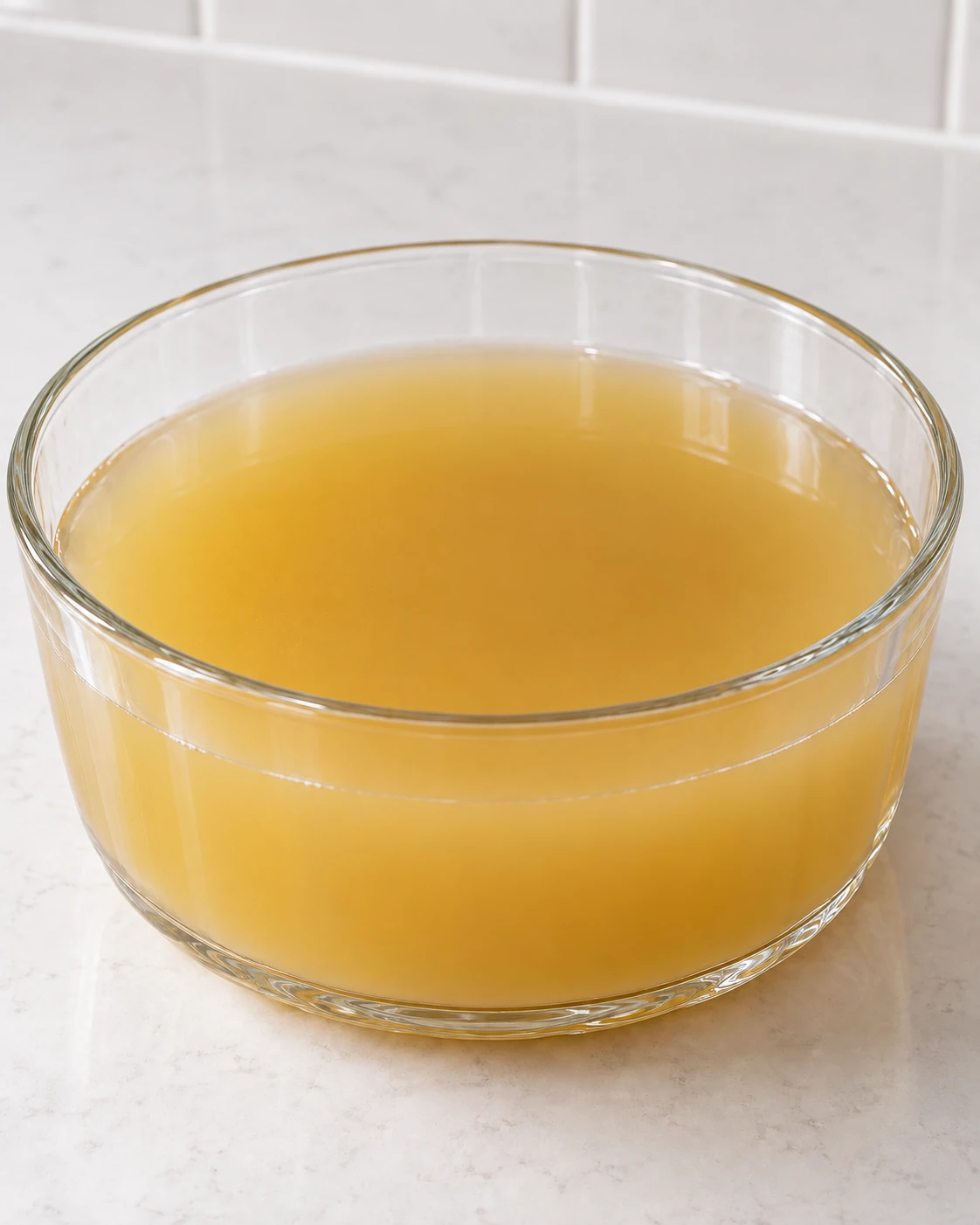
- Add the remaining juice. Stir in the remaining one and one-half cups freshly pressed apple juice, cold or at room temperature. Whisk until the color and texture are uniform.
- Chill until set. Pour the mixture into a plain round glass or ceramic mold. Refrigerate for at least three hours. For a firmer slice, chill for six hours or overnight. Unmold or spoon into serving dishes, slice, and serve chilled.
Texture, Smell, and Setting Cues
Before warming, the bloomed gelatin should look like a damp, even layer across the juice. Dry islands mean the powder was not exposed to enough liquid. Give those spots a few more seconds to absorb before whisking.
As the pan warms, the grainy look should disappear. The juice may become slightly foamy, but it should not bubble around the edges. If you see a simmer beginning, remove the pan from the heat immediately. The mixture should pour smoothly into the mold without visible gelatin threads or clumps.
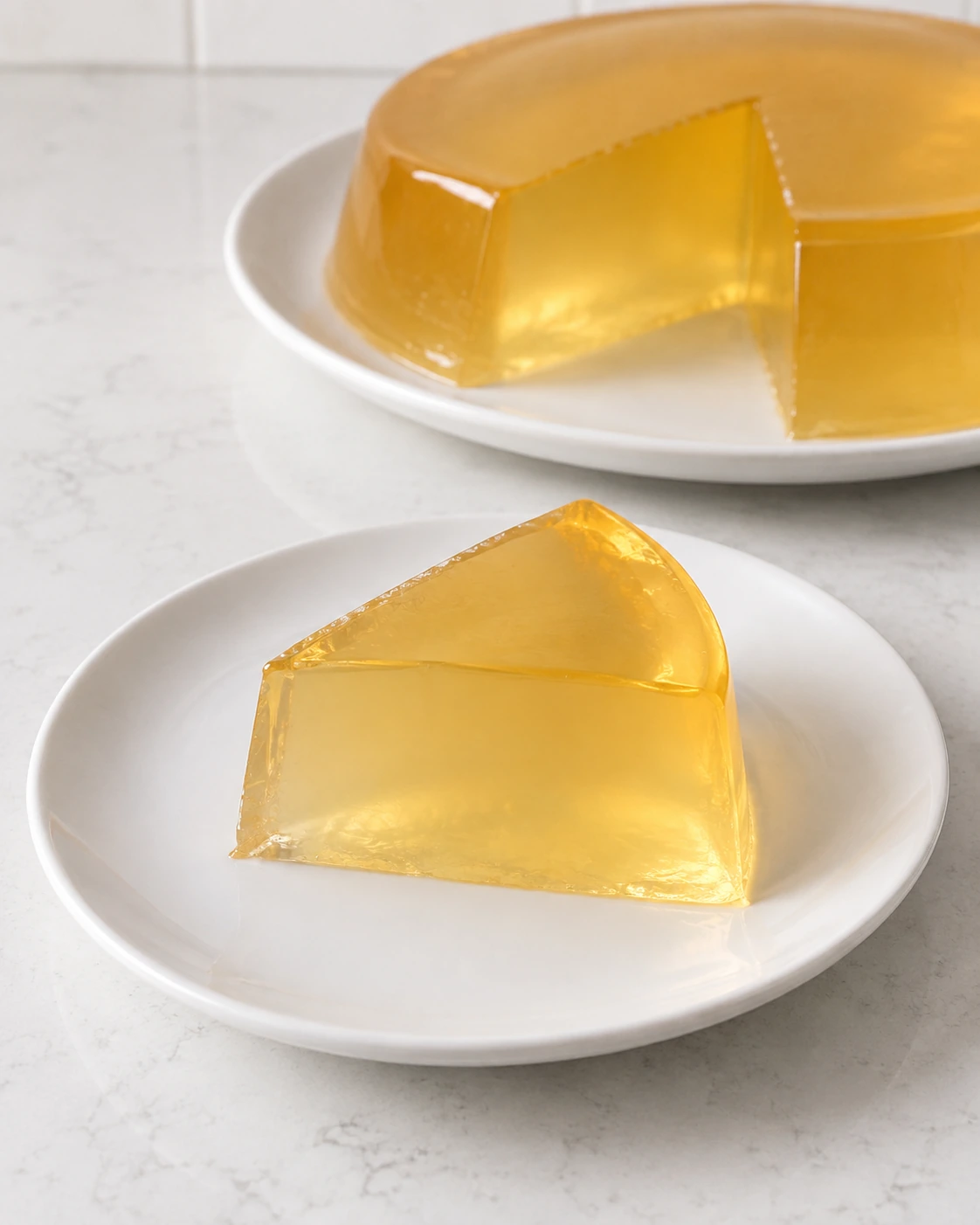
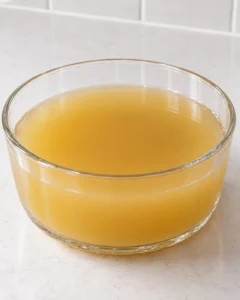
After three hours, the surface should look smooth and hold when the mold is tipped slightly. A spoon should leave a clean scoop. Six hours or an overnight chill gives a firmer wedge that can stand on a plate. Apple juice produces the pale translucent gold shown in the finished photos.
Fresh-Pressed Apple Juice Jello
Ingredients
Equipment
Method
- Pour 1/2 cup freshly pressed apple juice into a small stainless-steel saucepan. Sprinkle 1 tablespoon pure unflavored gelatin evenly over the surface. Let it absorb the juice for about 30 seconds, then whisk it in.
- Warm over medium heat for 1 to 2 minutes, stirring or whisking. Stop when the juice is steaming and a little foamy but has not begun to simmer. Remove the pan from the heat.
- Stir in the remaining 1 1/2 cups freshly pressed apple juice, cold or at room temperature. Whisk until the color and texture are uniform.
- Pour into a plain round glass or ceramic mold. Refrigerate for at least 3 hours. For a firmer slice, chill 6 hours or overnight. Unmold or spoon into serving dishes, slice, and serve chilled.
Notes
Tried this recipe?
Let us know how it was!Choose a Juice That Can Set
Not every fresh juice works with this raw-juice method. Avoid passion fruit, pineapple, papaya, mango, guava, pawpaw, fig, kiwi, and ginger juice here because their enzymes can interfere with the gelatin set. That is a cooking-technique boundary for this jello, not a statement that every fruit on the list is prohibited on GAPS.
Fresh apple juice is the most straightforward place to begin. Suitable berry juices can also work when the fruit is permitted for you. Keep the two-cup total and one-tablespoon gelatin measure unchanged rather than guessing at a new ratio.
Full GAPS Placement and Variations
This formula is for Full GAPS because it uses freshly pressed juice from a permitted fruit. It is not assigned to an Introduction Diet stage. Use pure gelatin and fresh juice in the measured amounts without adding packaged flavoring, food coloring, or a separate sweetener.
Concord grape juice is the firmer-set exception. That version uses a different gelatin amount in the Fresh-Pressed Concord Grape Juice Jello for Full GAPS. Keep that formula separate from this one-tablespoon apple version so each card scales correctly.
How to Serve It
Serve the jello cold in simple wedges or spoon it directly from the mold. A six-hour or overnight chill gives the cleanest slices. For a frozen fruit treat, the Full GAPS Lemon Grape Popsicles use a separate formula and method.
When you want to use kiwi without asking it to set a gelatin mold, try the Full GAPS Kiwi Sorbet. Keeping those methods separate prevents a fruit-enzyme problem from looking like a gelatin failure.
Make-Ahead and Storage
Make the jello at least three hours before serving. Six hours or overnight is better when you want to unmold and slice it. Keep the mold covered and refrigerated so the surface does not dry out or absorb refrigerator odors.
Return leftovers to the refrigerator promptly. Keep them covered and serve them chilled. If the jello softens while sitting out, put it back in the refrigerator rather than trying to heat and reset the same portion.
Frequently Asked Questions
Why Do I Warm Only One-Half Cup of Juice?
The smaller portion gives the gelatin enough liquid to bloom and dissolve. The remaining one and one-half cups go in after the pan leaves the heat, keeping most of the freshly pressed juice unheated.
Should the Juice Boil?
No. Warm it for one to two minutes until steaming and a little foamy, but stop before it simmers. Remove it from the heat as soon as the gelatin has dissolved.
Can I Use Fresh Pineapple or Kiwi Juice?
Not in this raw-juice method. Both are on the enzyme-rich list that can interfere with setting. Use a suitable permitted fruit instead.
Can I Use Store-Bought Juice?
As convenient as bottled juice is, press the apples fresh for this recipe. GAPS uses freshly pressed juice here, and pressing it yourself lets you know it contains only apples, without added sweeteners, flavors, colors, or preservatives.
How Long Does It Need to Chill?
Chill for at least three hours. Give it six hours or overnight when you want a firmer mold that releases and slices cleanly.
Can I Use Two Tablespoons Gelatin?
Not as the default for this post. One tablespoon is the measured amount for two cups of suitable fresh juice. The two-tablespoon ratio belongs to the separate Concord grape recipe.
Can I Double the Recipe?
Use the 2× control in the recipe card for exact amounts. Divide a doubled batch between two molds if one container would be too deep to chill and set evenly.
More Simple GAPS Swaps
The coming-soon GAPS Food Swap Guide is for familiar foods like this, with practical GAPS versions you can make at home instead of relying on a packaged mix. Find it with the other WFLI guides in the shop.

Leave a comment